
Altitude, Adventure, and Resilience: My Climb up Kilimanjaro.
After running my first marathon in New York, we celebrated in a cozy family-owned Mexican restaurant.
Vered, Peter (who’d been my unwavering running partner), and I were savoring the victory and discussing future goals.
Running a marathon had once seemed like an impossible feat – going from couch potato to 42 kilometers – but now it felt…small.
I needed a new challenge, something bigger. And as I was thinking aloud, my gaze fell on the only decoration in the restaurant: a single picture on an otherwise bare wall. It was of Mount Everest.
Of all places – this little Mexican restaurant – and there it was, Everest! The idea hit like lightning: that would be my next goal.
As I sat there, I naively imagined I’d need a pair of good hiking boots, some poles, and sheer determination.
It wasn’t until I researched that I realized what climbing Everest actually entailed – the training, the gear, the altitude risk, the expense, and the sheer danger.
But nothing could deter me. And that’s when I stumbled upon the idea of the Seven Summits: climbing the tallest mountain on each continent, with Everest as the grand finale.
Step one was Kilimanjaro, Africa’s highest peak and the most approachable of the seven.
So, I penciled it in for the summer of 2009, just eight months after the marathon.
To prepare, I decided to tackle Mont Blanc in France, closer to home.
Oh, and to stay marathon-ready, I signed up for the Amsterdam marathon just after Kilimanjaro – because why not?
I also sought out a trainer to condition me for high altitudes.
That’s when I found Stans, an Ironman triathlete and breathing expert who designed a special low-oxygen training device just for me.
It became my daily workout companion, helping me adapt to thin air before ever setting foot in Africa.
In July 2009, Vered, Thom, and I embarked on a two-week safari in Tanzania – a mesmerizing experience.
The nature was stunning, the animals were unforgettable, and the people were the warmest, most joyous I’d ever met.
After Vered and Thom flew home, I set off solo for Kilimanjaro, ready for my next big adventure.
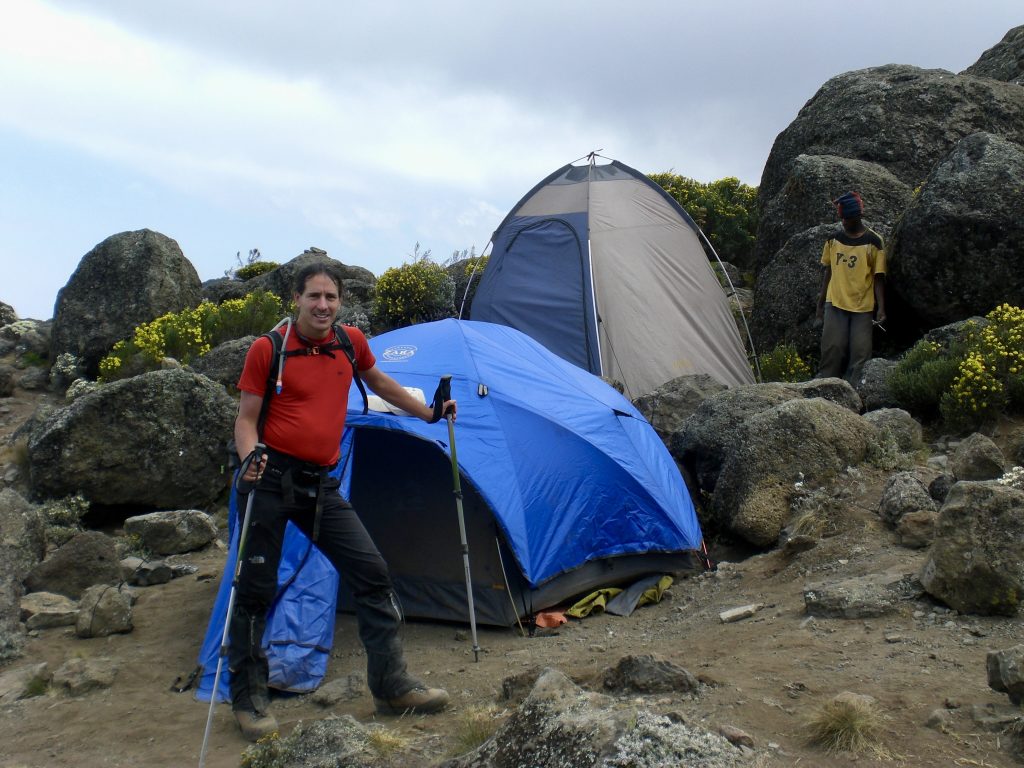
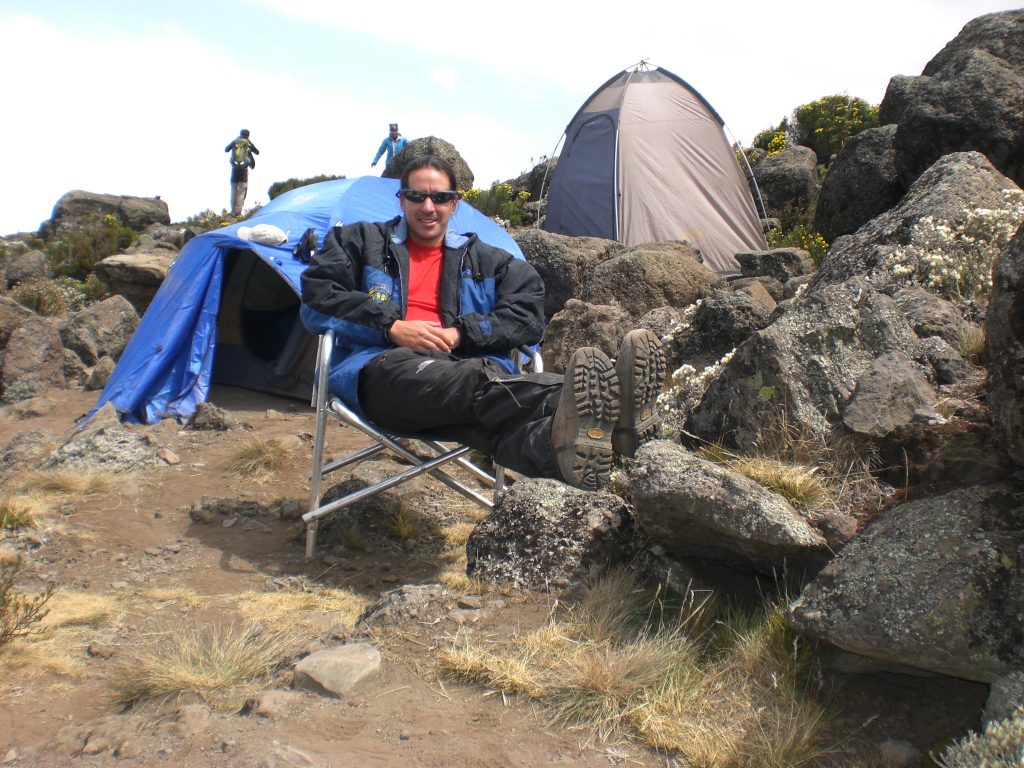
Kilimanjaro has multiple routes, and naturally, I chose the toughest: the 8-day trek that includes a night spent in the crater, just below the summit.
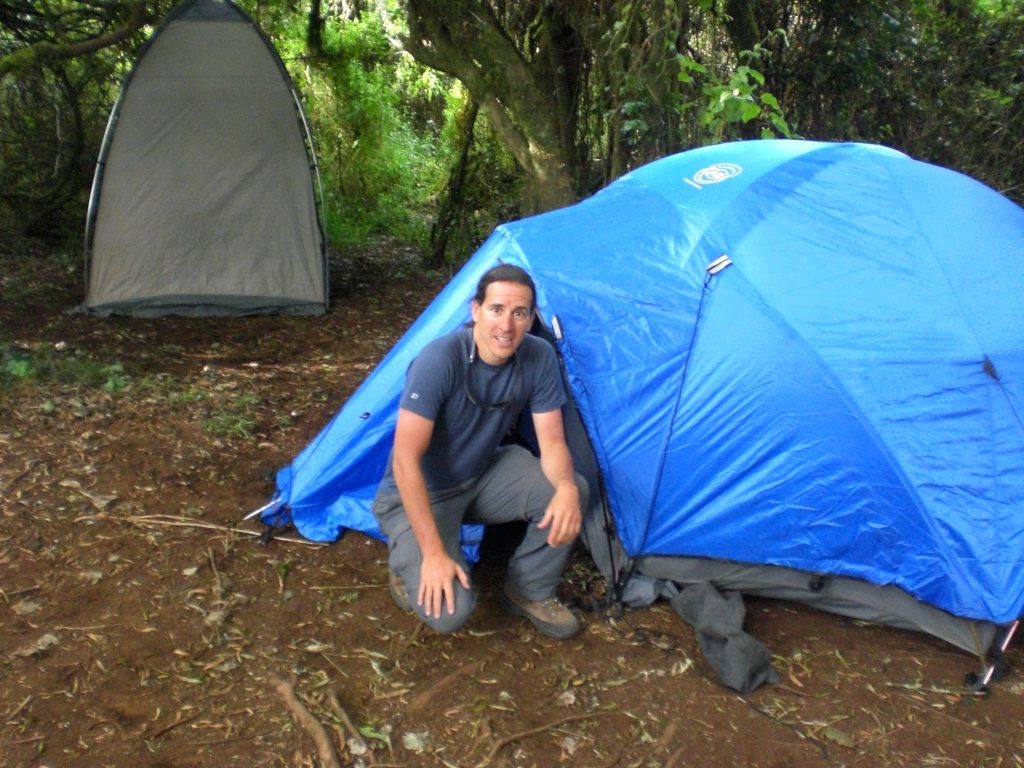
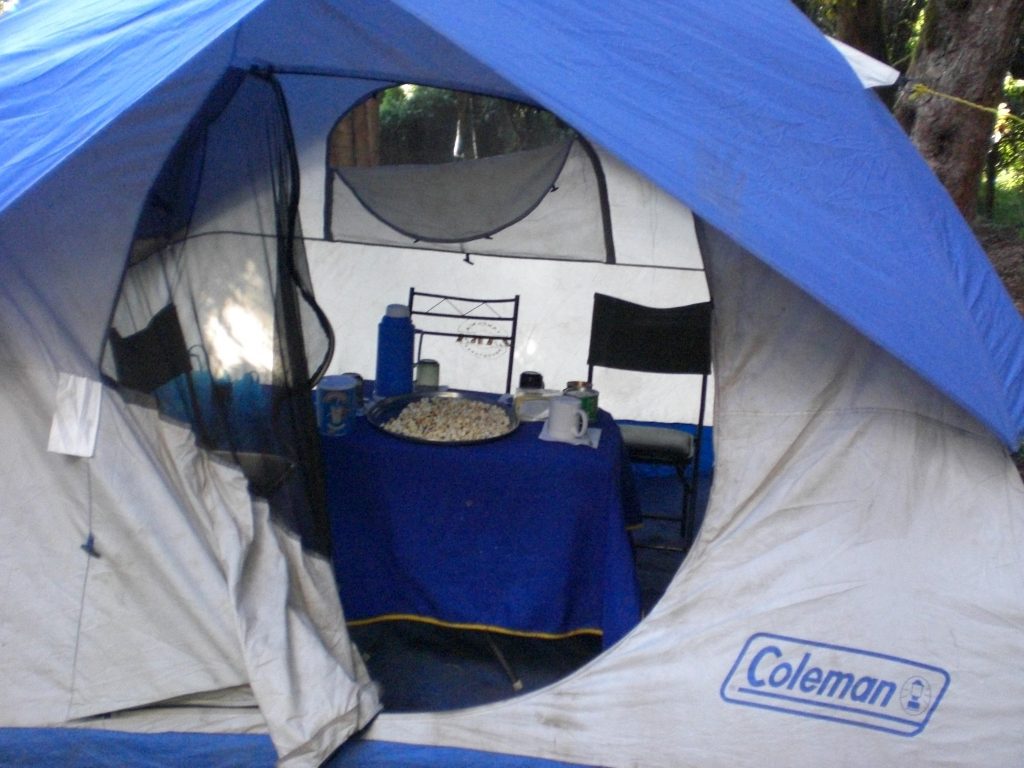
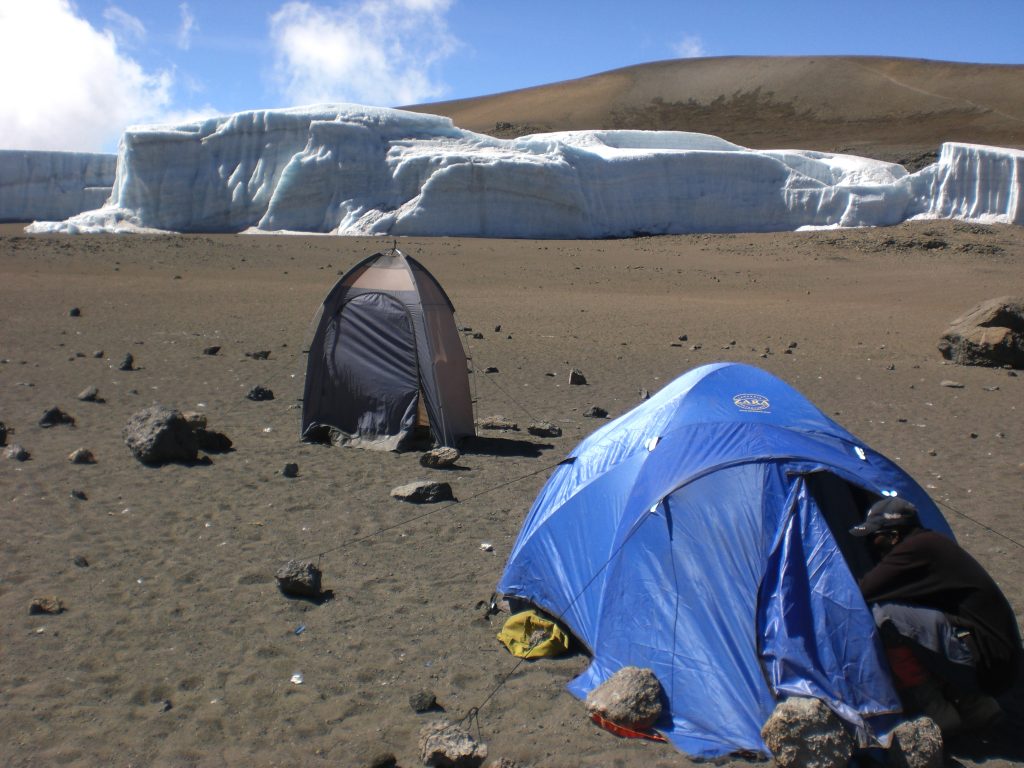
I wanted the experience to be deeply personal, so I hired a private team – a guide, a cook, and two porters, who carried everything from food to a portable toilet!
The journey was surreal.
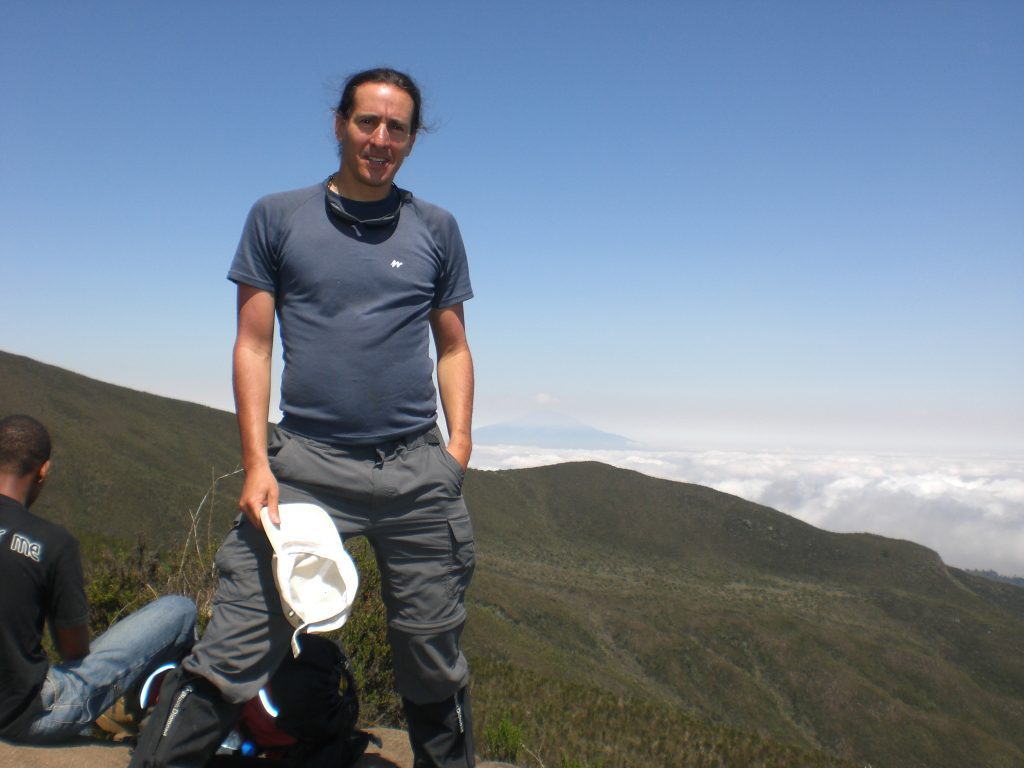
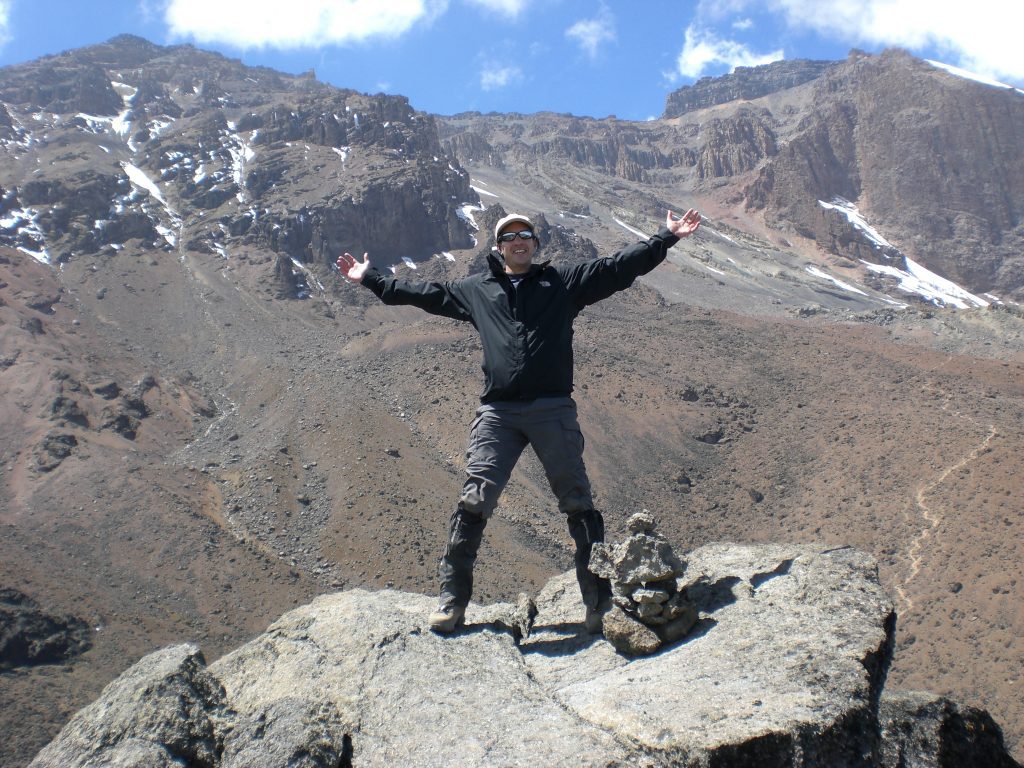
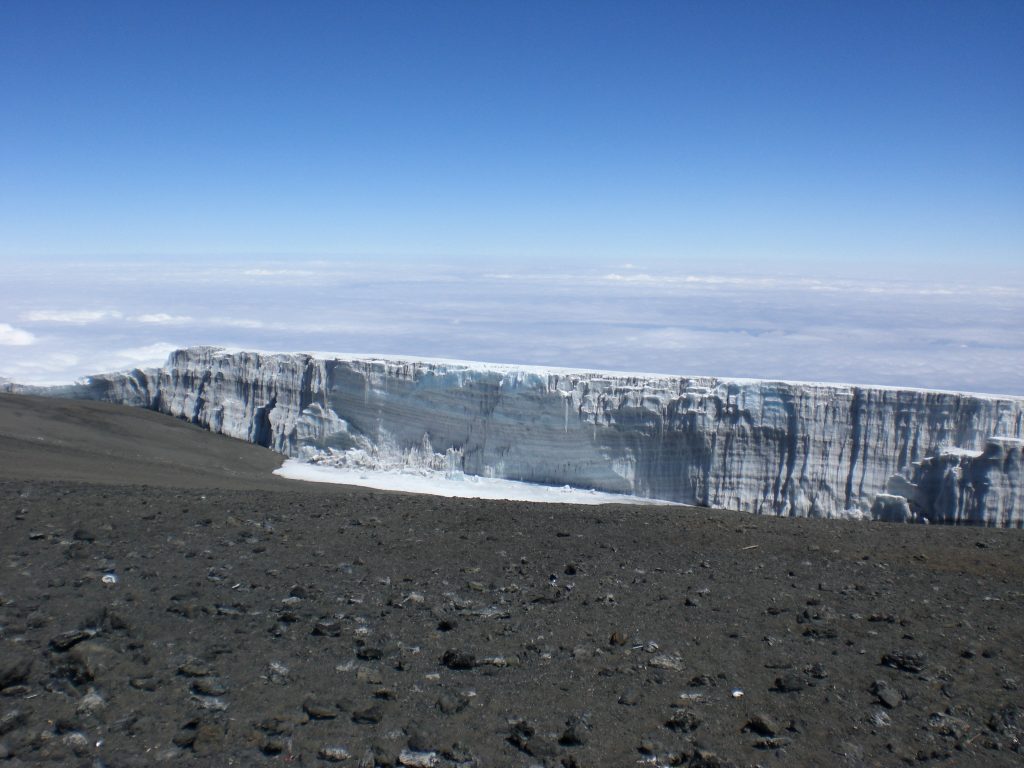
Each day, we passed through landscapes that felt like different planets: rainforests gave way to moorlands, then alpine deserts, and finally, icy glaciers.
Spending the night at the crater was like camping on another world – just me, surrounded by glaciers, under an endless sea of stars.
It was so cold and so close to the summit that every breath felt like an achievement.
During the six-day climb up, I met other adventurers and grew close to my guide, a 19-year-old kid who had already summited Kilimanjaro a hundred times.
Watching the porters in action was humbling.
One climber broke her boot five days up the mountain, and while duct tape held it together for a while, it wasn’t enough.
That evening, one of the porters sprinted back down the mountain to town, rented a new pair of boots, and ran all night to deliver them to her by sunrise.
And I thought I was pushing my limits!
The final day was pure agony.
As we neared the top, I saw a stretcher carrying someone down, and I told my guide I couldn’t go another step.
But he refused to let me quit.
Taking my pack, he reminded me that he’d never failed to get a client to the summit.
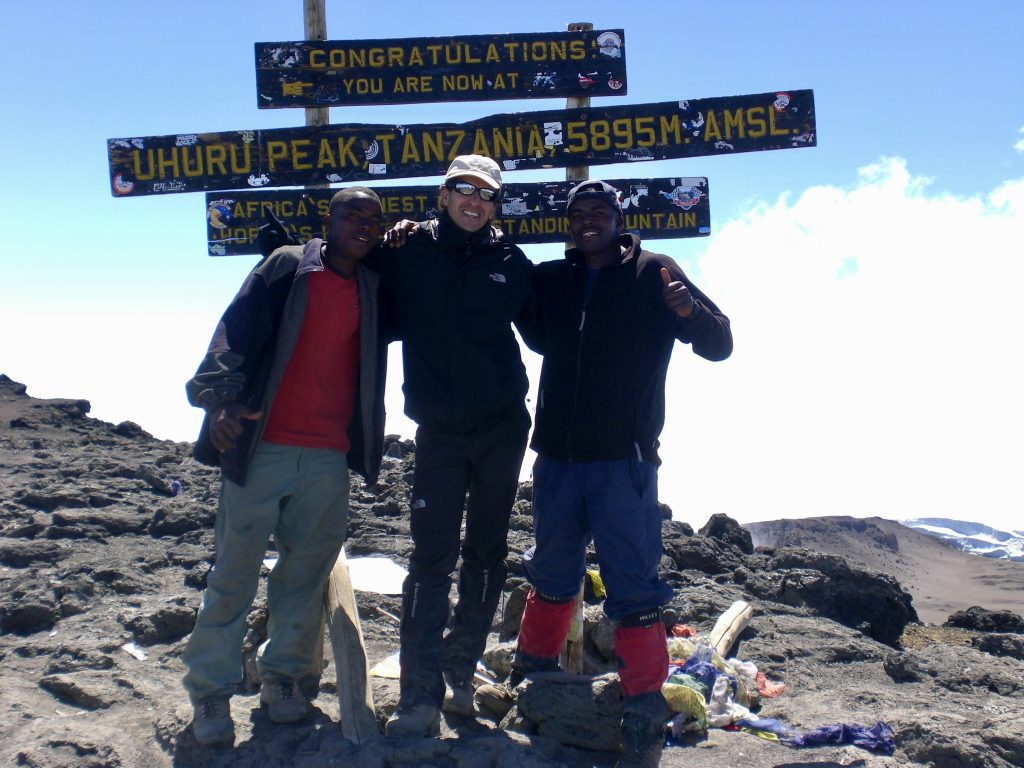
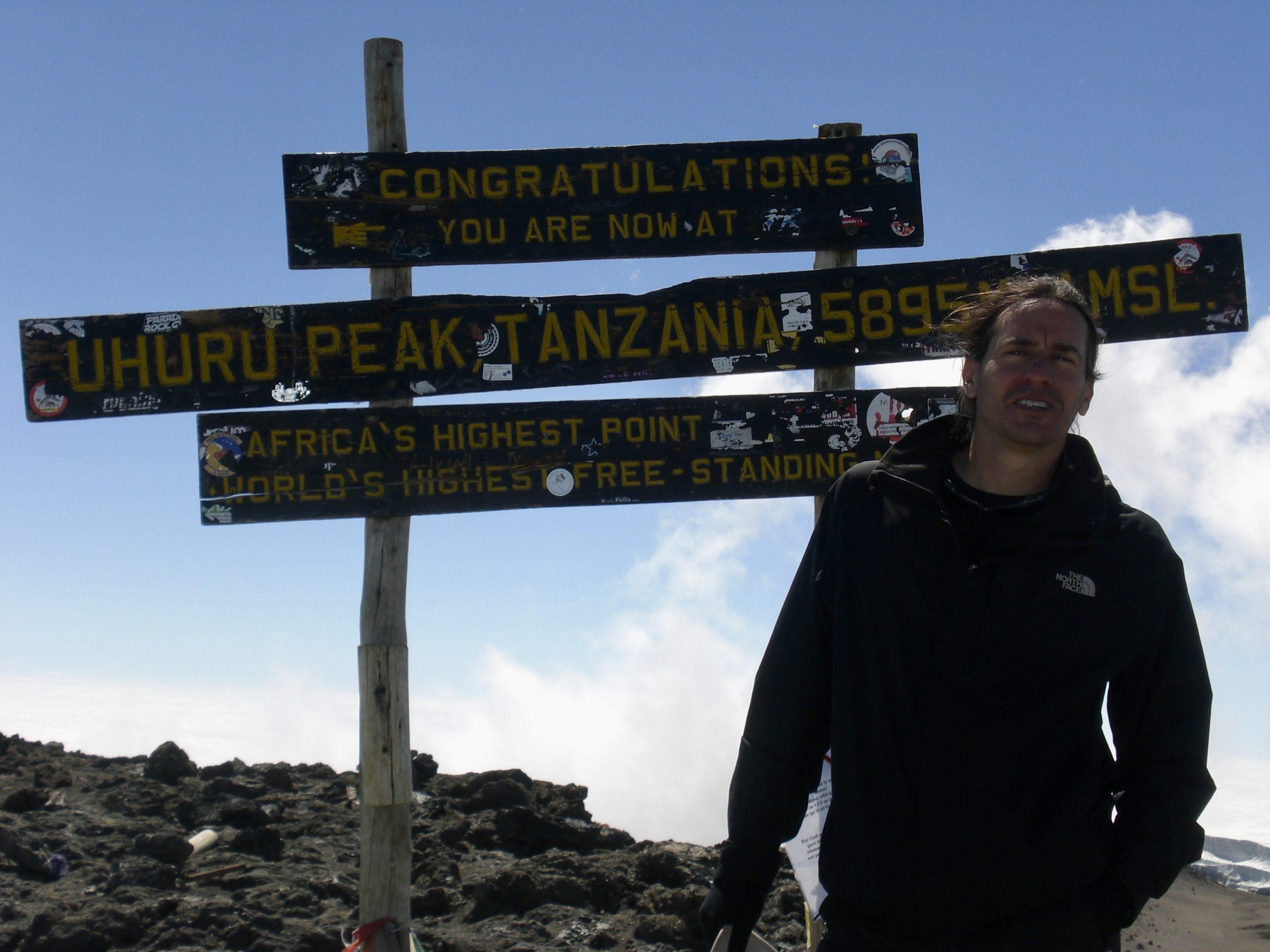
His encouragement pushed me to continue, step by painstaking step, until we finally reached Uhuru Peak.
I was so exhausted that I could barely celebrate, but we snapped a photo and descended to set up camp in the crater for the night.
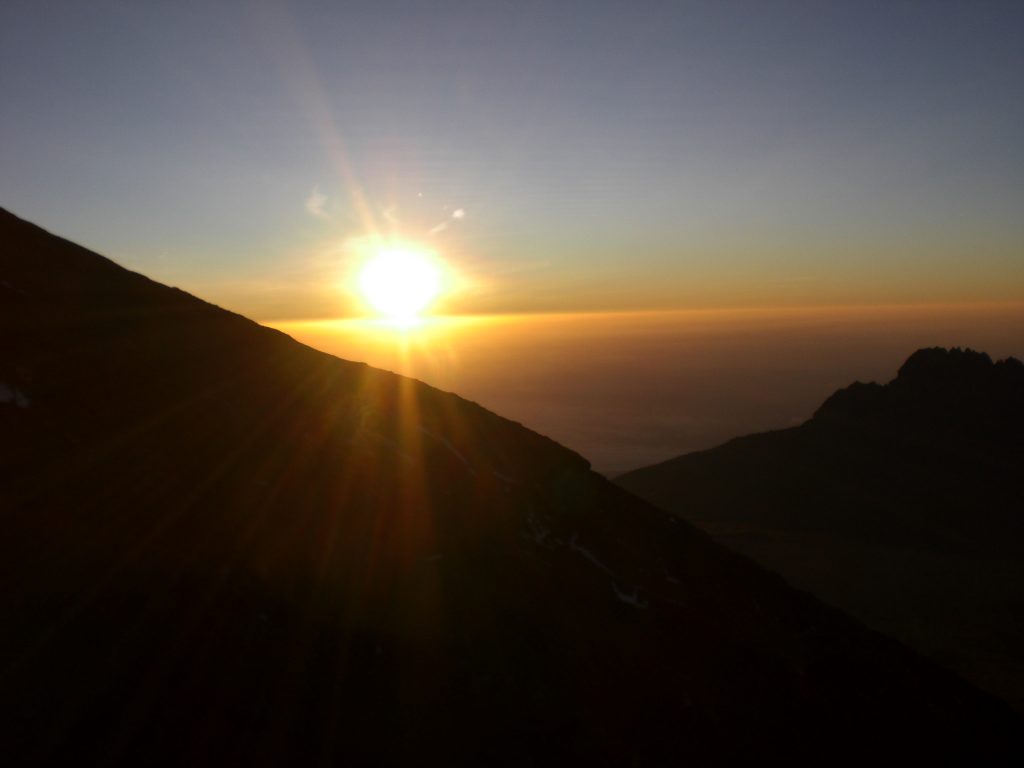
My guide checked on me every hour through the night, and by morning, I felt strong enough to hike back up to the summit before dawn.
Watching the sunrise from the top of Africa was one of the most breathtaking moments of my life.
The descent took less than a day, and every step down felt easier and easier.
That night, we celebrated with a Kilimanjaro beer in town – it made me tipsy immediately after days at high altitude!
The next day, I spent time exploring my guide’s hometown, learning about his life, meeting locals, and reflecting on the adventure.
Kilimanjaro was far tougher than I’d imagined but also more rewarding.
And as I boarded my flight home, one thing was clear: this was only the beginning.