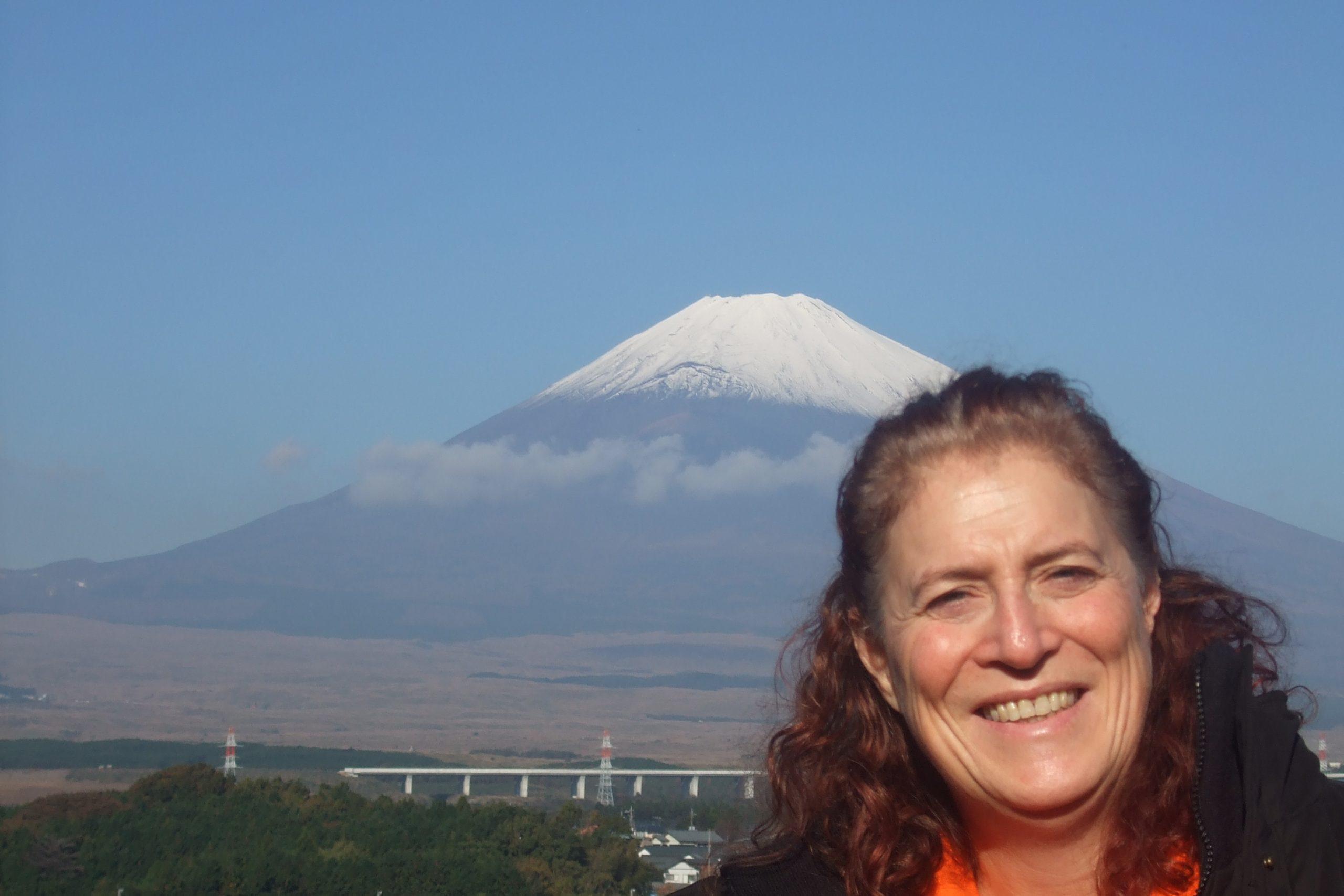
Coaching the Dutch Team to Victory at WorldSkills 2007.
In 2007, after our success in the regional social fare section (RSD) under a government contract, a thrilling opportunity landed in our laps.
We were asked to train the national team of the Netherlands for the prestigious WorldSkills competition.
Think of it as the Olympics, but for vocational skills, where young talent from around the world comes together to showcase their expertise in trades that range from carpentry to cooking, welding to web design.
WorldSkills is more than just a competition—it’s an organization that aims to elevate vocational education, empower young people, and highlight the importance of skilled labor in building thriving economies and personal success.
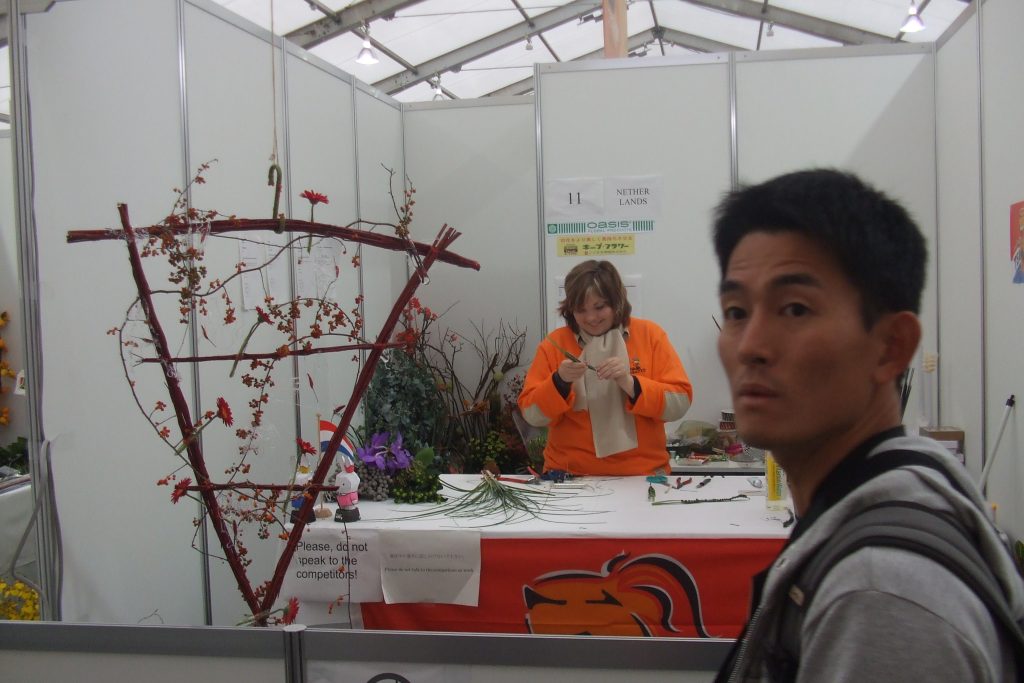
The Dutch team was determined to give their best performance at the upcoming WorldSkills event in Shizuoka, Japan.
While they had the technical skills down, the board realized they needed help in another crucial area: mental toughness. Enter us.
Yoni wasn’t exactly thrilled about the idea at first.
While the recognition was nice, his heart was set on working with entrepreneurs, not young competitors.
But I insisted—this was about education, youth, and shaping the future, all key parts of our vision.
And so, Rani and I took on the challenge as coaches for the Dutch team.
Rani was my perfect partner for the job, not just because she could translate my somewhat shaky Dutch, but because she was becoming a trainer herself and knew our material inside out.Plus, she was a fantastic friend and made everything more fun.
We spent three intense weekends and several weekly sessions preparing the team, helping them build resilience, manage pressure, and stay focused under the immense stress of competition.
The road wasn’t always smooth. There were moments when Rani and I wondered if it was all worth it—not because of the kids, who were incredible, but because of the backstage politics that almost drove us mad.
Still, we pressed on, believing that the young competitors deserved every bit of support we could give them.
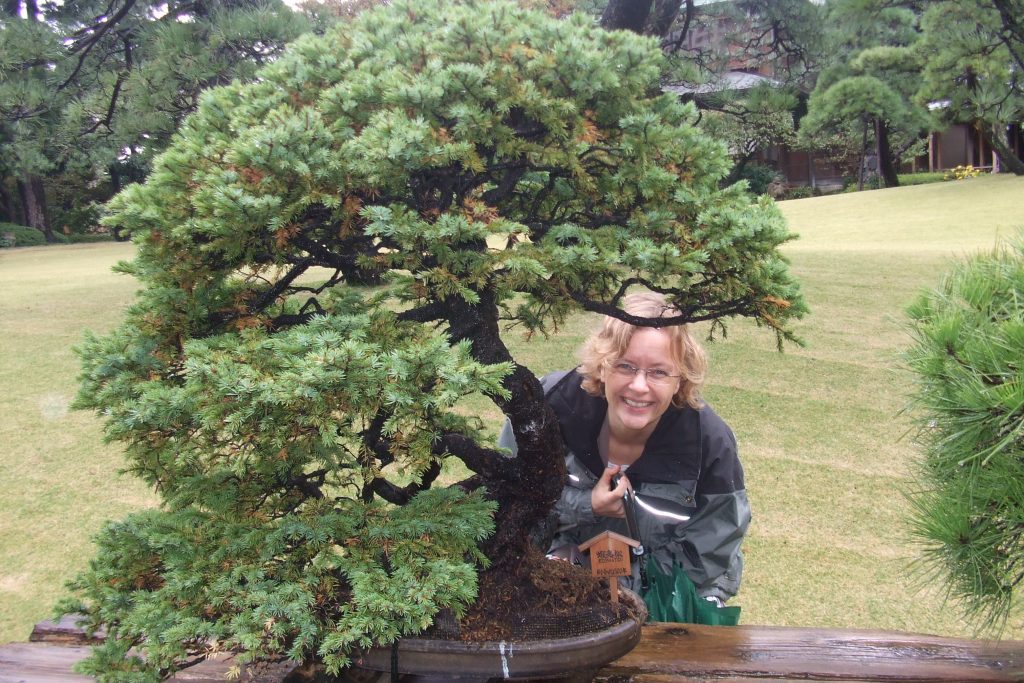
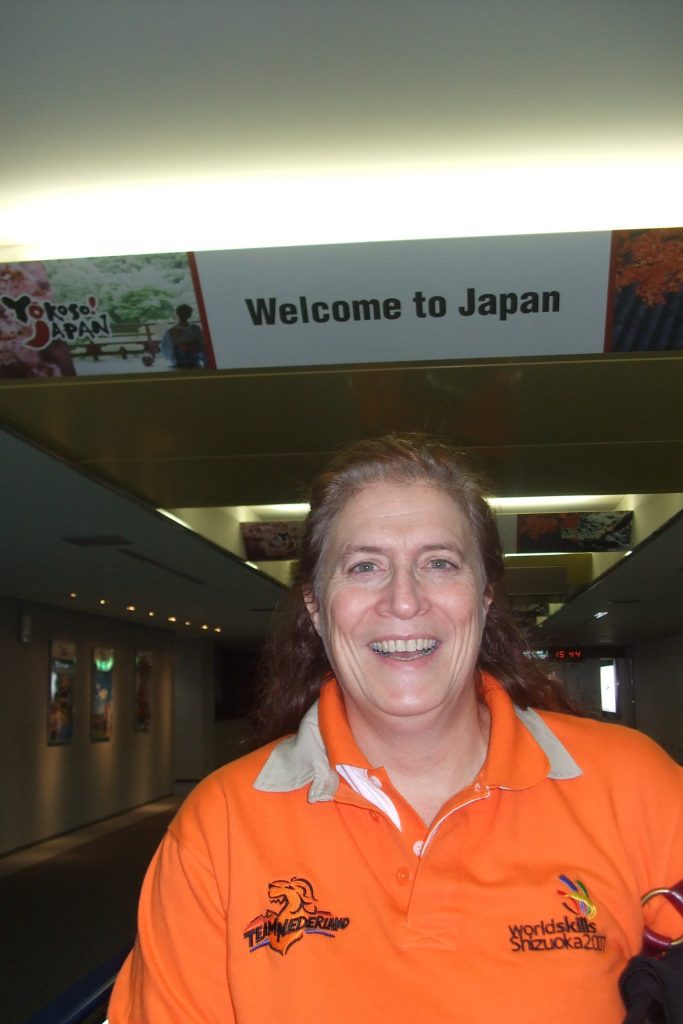
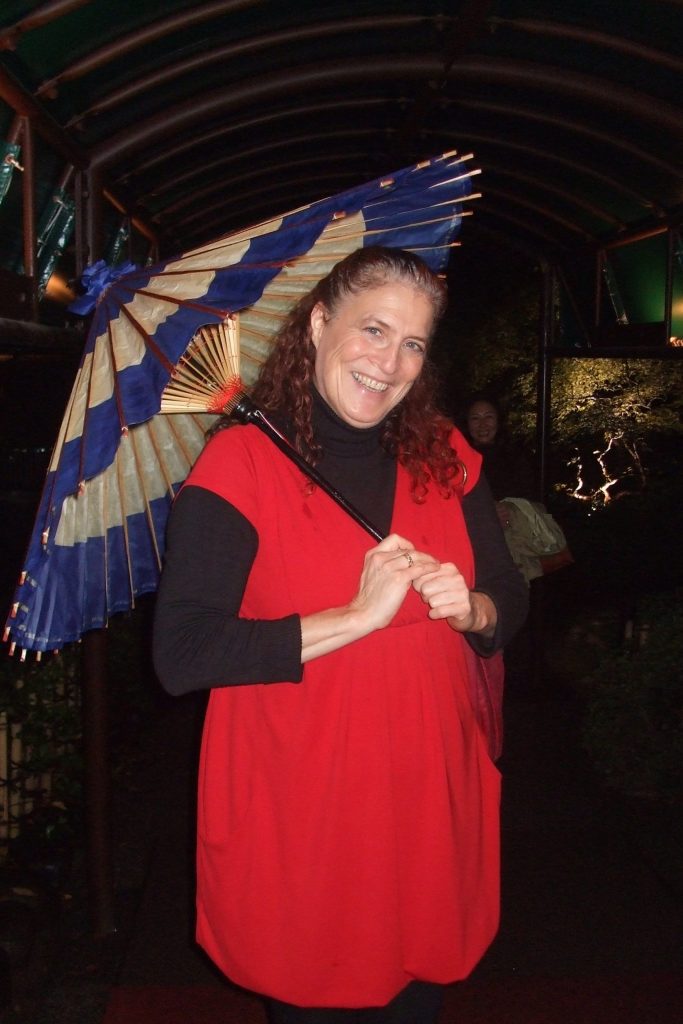
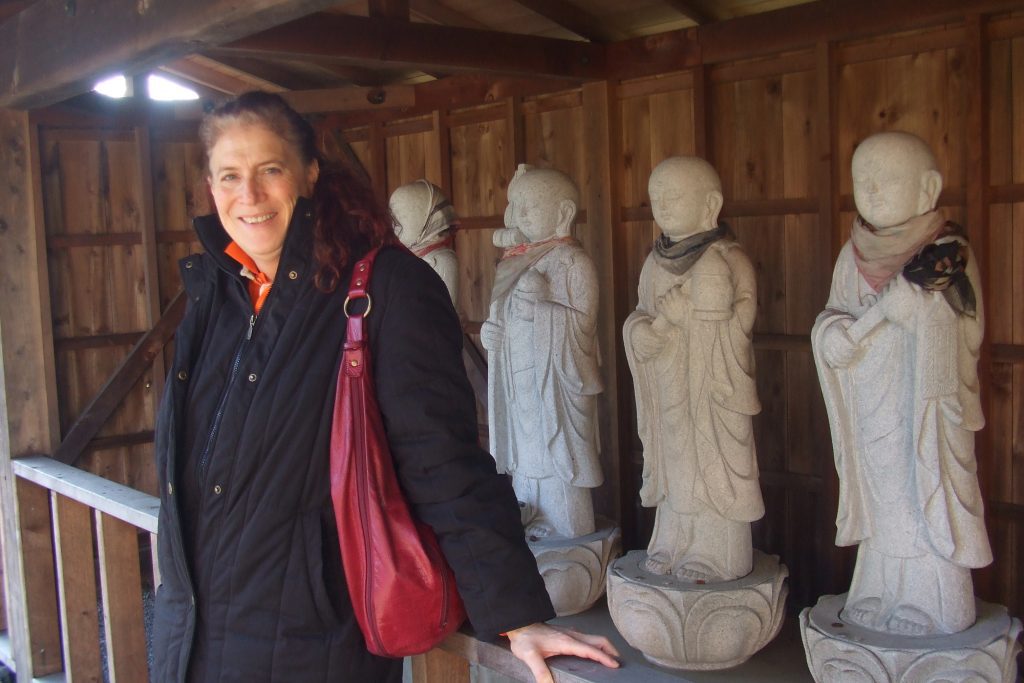
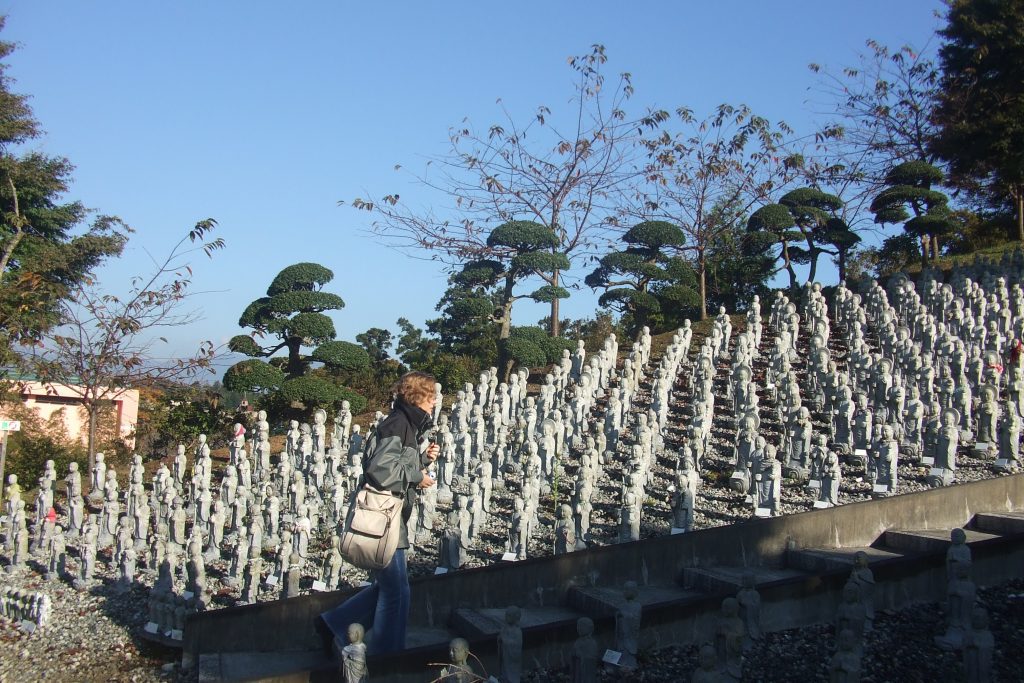
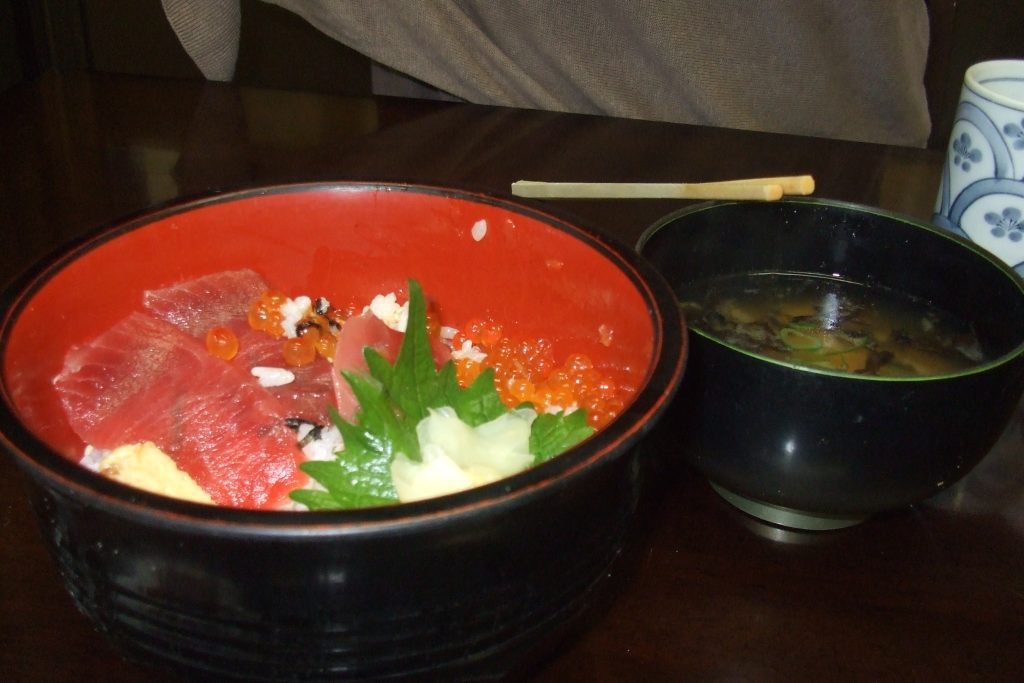
In November, we flew with the team to Japan. The first few days were spent exploring Tokyo, where Rani and I ditched the scheduled activities to sneak off on our own mini-adventures.
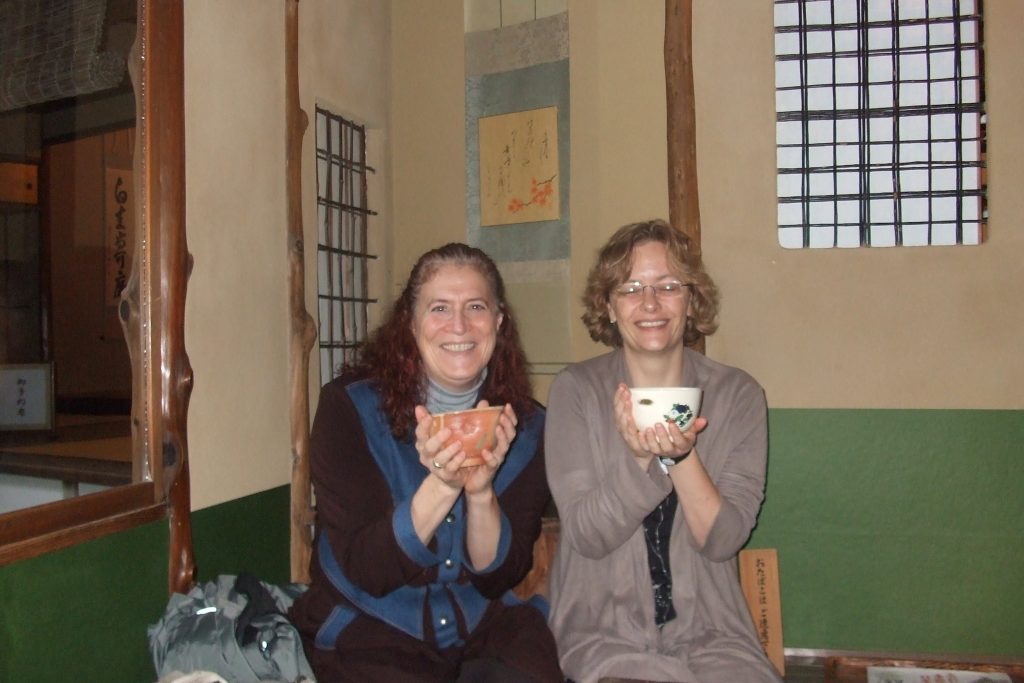
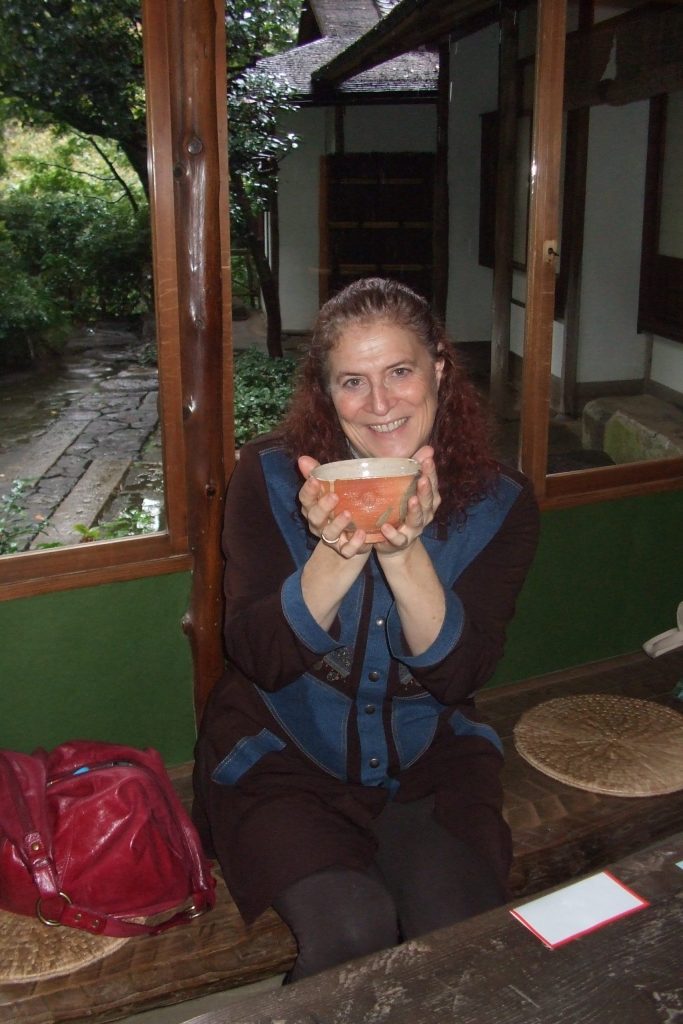
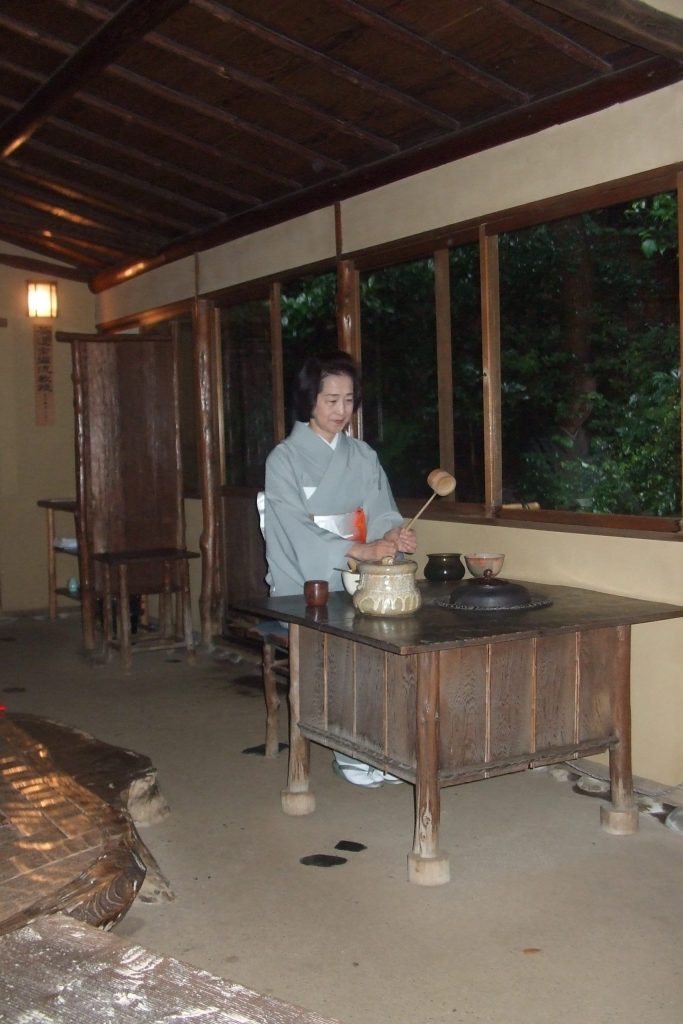
One highlight (or lowlight, depending on how you see it) was a traditional Japanese tea ceremony.
While the ceremony was beautiful, let’s just say the green tea left much to be desired—we politely declined a second cup!
From there, we headed to Shizuoka, a stunning location nestled at the foot of the iconic Mount Fuji.
As the competition days drew nearer, the nerves set in, and our coaching was needed more than ever.
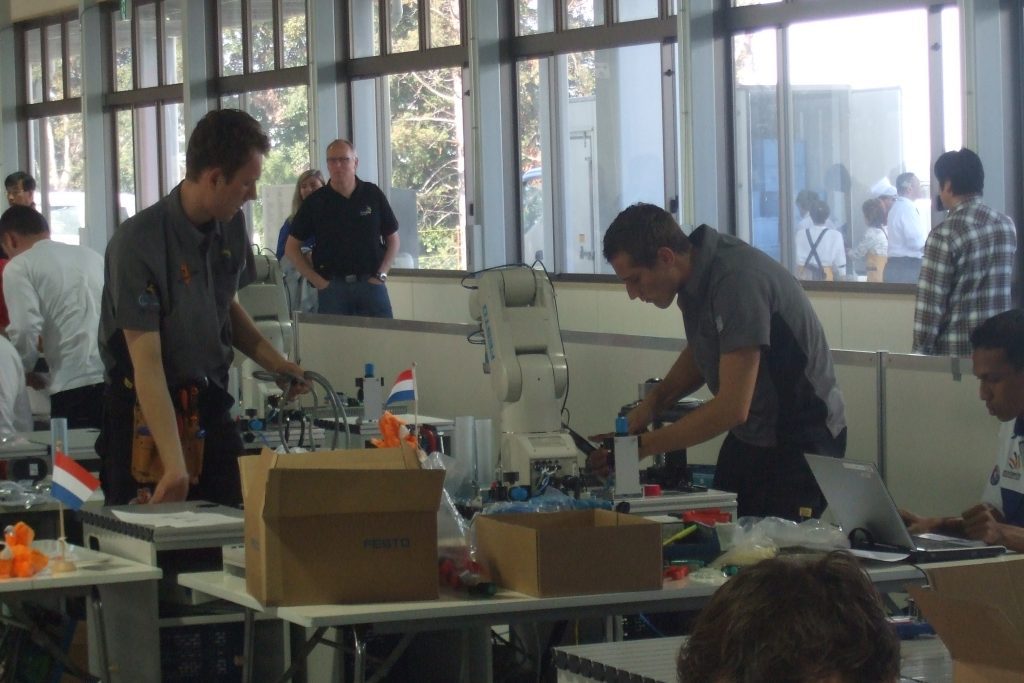
When the event kicked off, Rani and I spent five intense days running around the Olympic-sized venue, cheering on our competitors, making sure they were mentally ready, and watching them give their all.
By the end of each day, we collapsed on our tatami mats, exhausted but fulfilled.
And the results? Unbelievable.
In previous years, the best the Dutch team had achieved was three bronze medals.
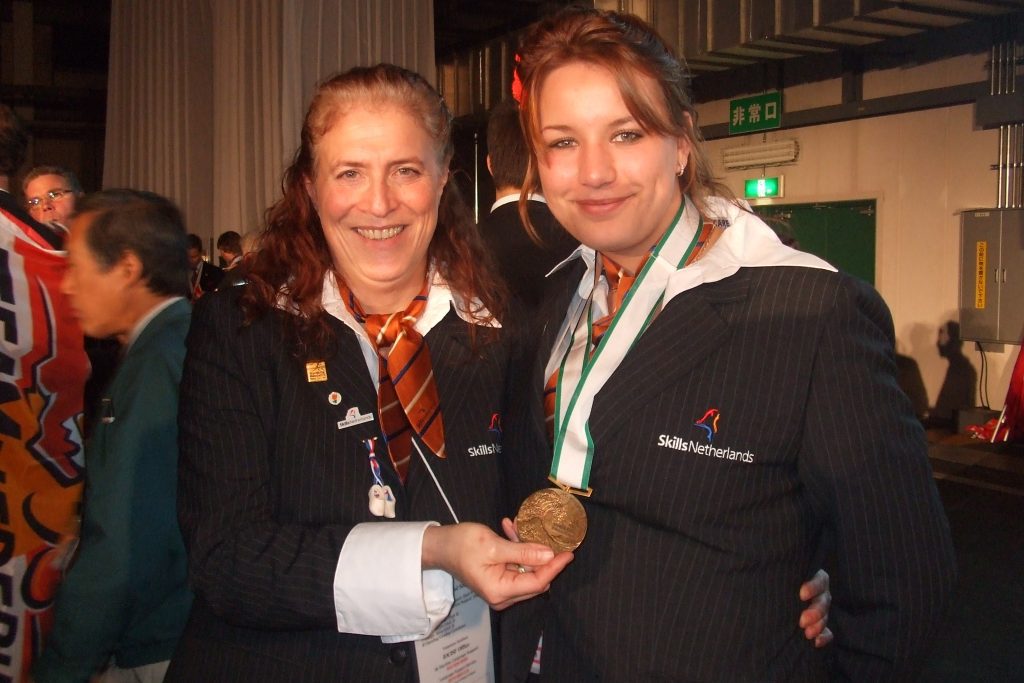
But in 2007, they brought home three golds, two silvers, and five bronzes!
It was a huge success, and we couldn’t have been prouder.
But while the experience was unforgettable, Rani and I knew one thing for sure: never again.
The work with the kids was inspiring, and the thrill of the competition was exhilarating, but the bureaucratic politics? No, thank you.
We realized we weren’t cut out for working in big organizations with layers of red tape.
We needed our freedom to follow our vision, our way. And that was perfectly okay with us.