Day 9 – Ancient Stones & Human Spirit.
It feels as if I’ve been blessed throughout this whole trip. It poured all night, but the moment I stepped out for breakfast the sun came out, and as long as I was outside,
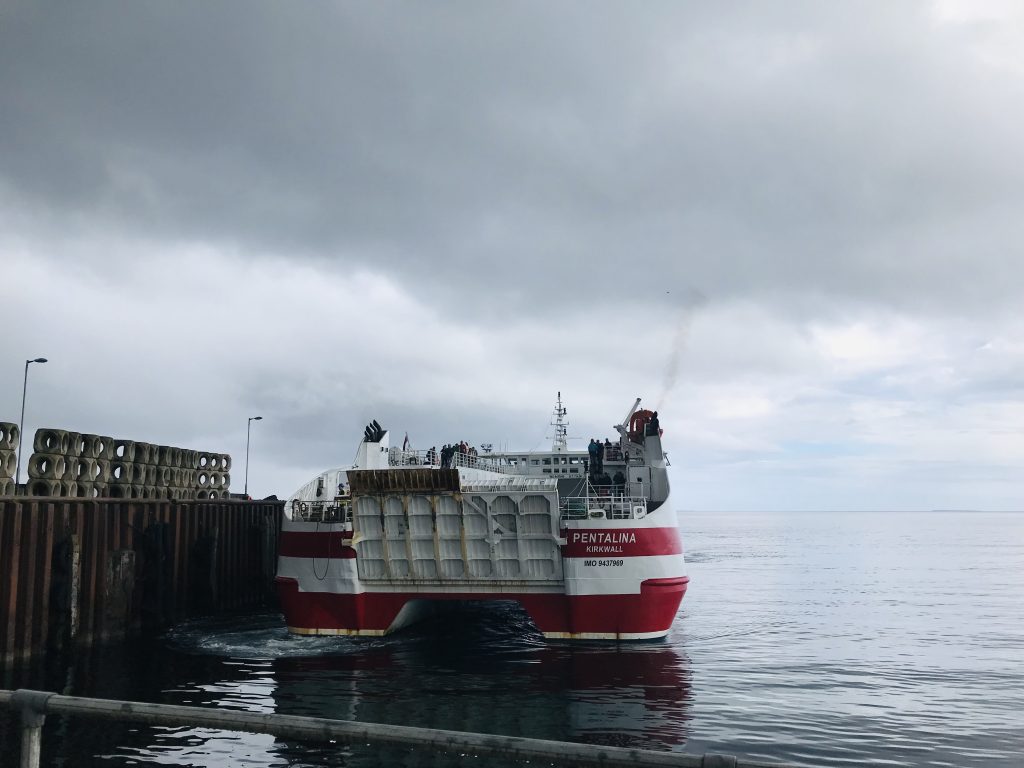
it shone. The minute I got into the car to drive to the ferry, the rain came gushing down. It rained the whole crossing, then stopped the instant we reached
St Margaret’s Hope. As if I’d been moved to another climate zone.
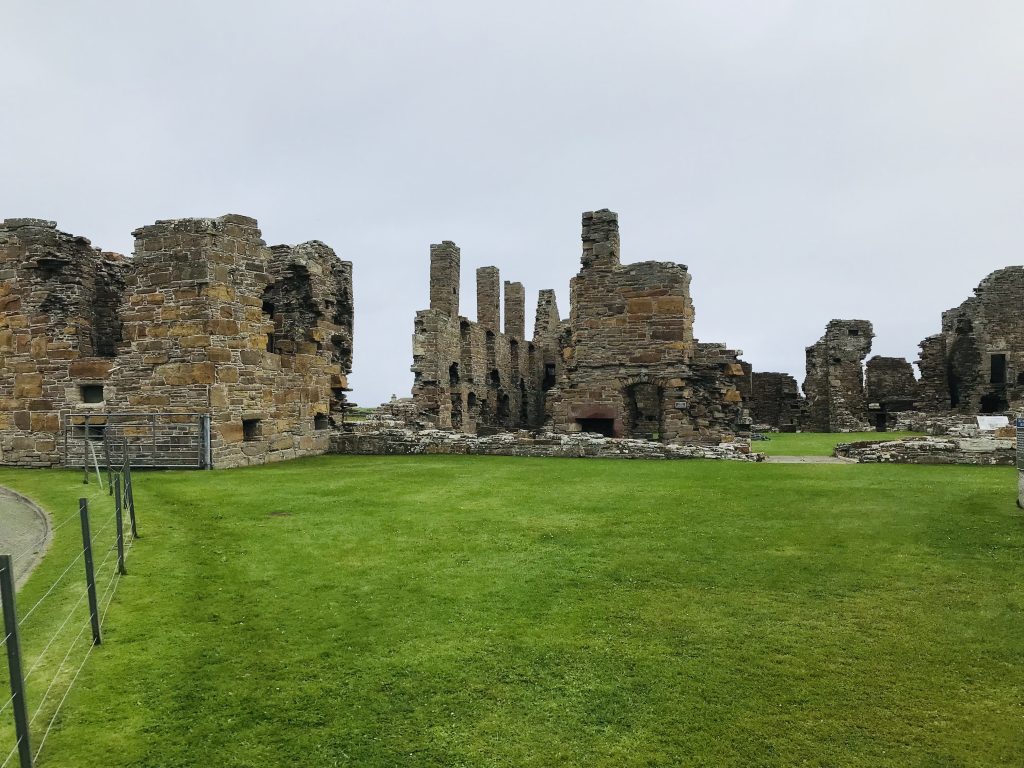
Orkney’s history stretches back to Neolithic times; Picts, Vikings and Christians have all left their mark. But for me, an archaeologist by education specialising in
Prehistory, these islands have been on my dream list for years.
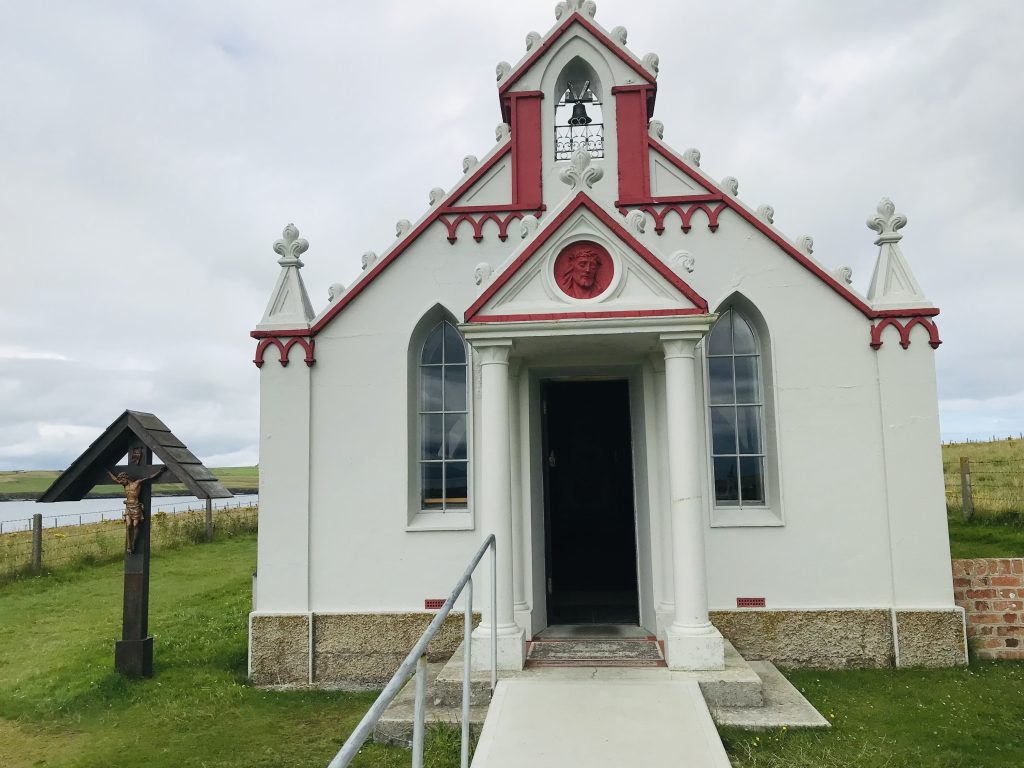
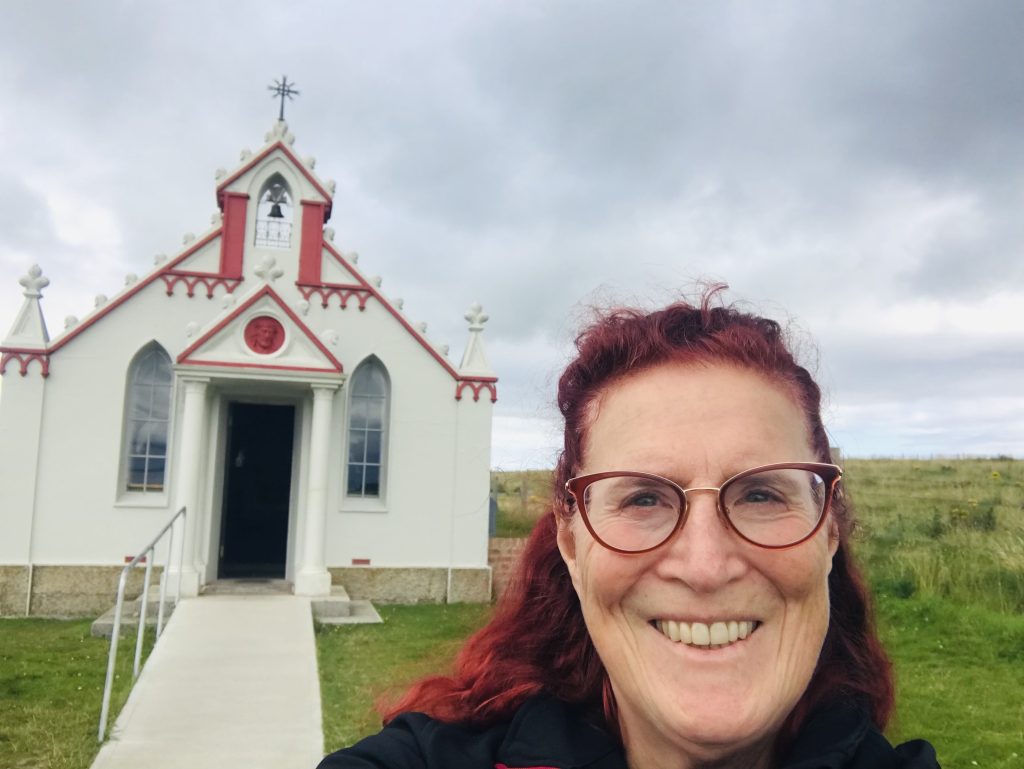
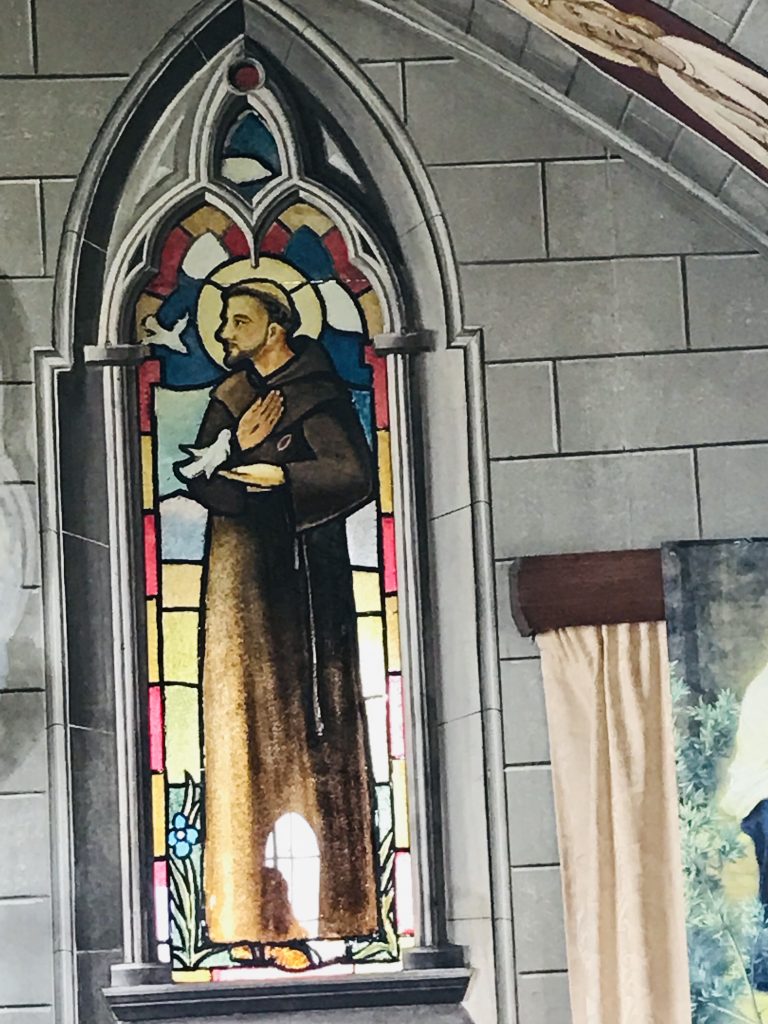
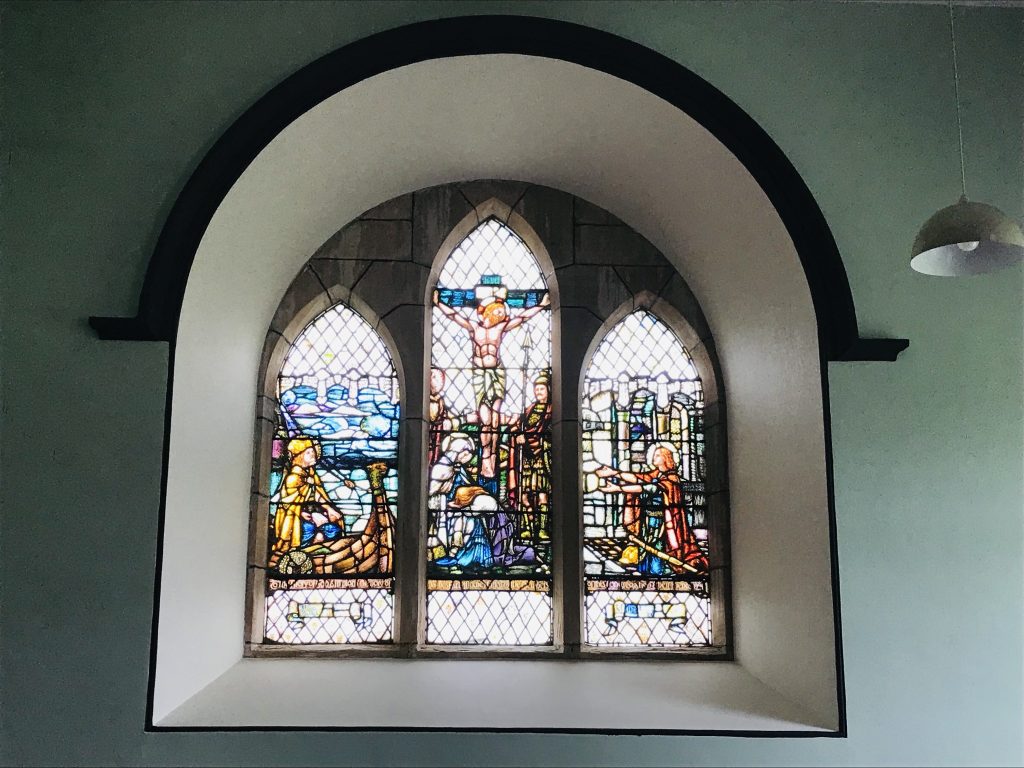
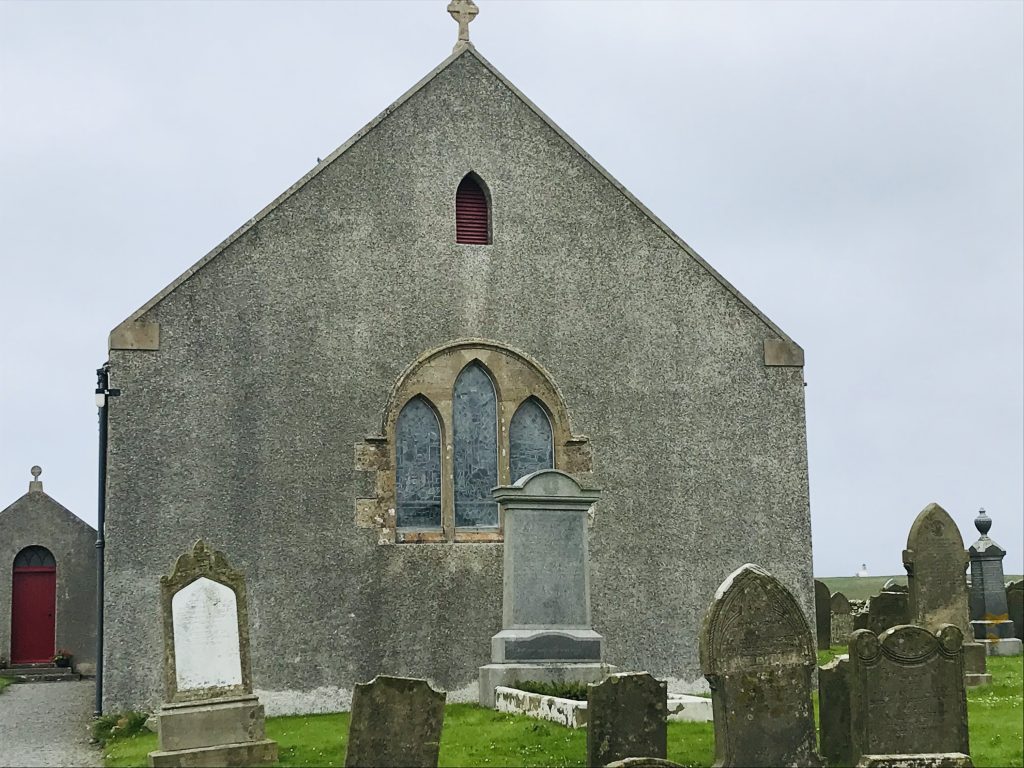
I was driving towards Kirkwall when my eye caught a small sign: “The Italian Chapel.” Something in me said, take that turn. And there I found a story about the
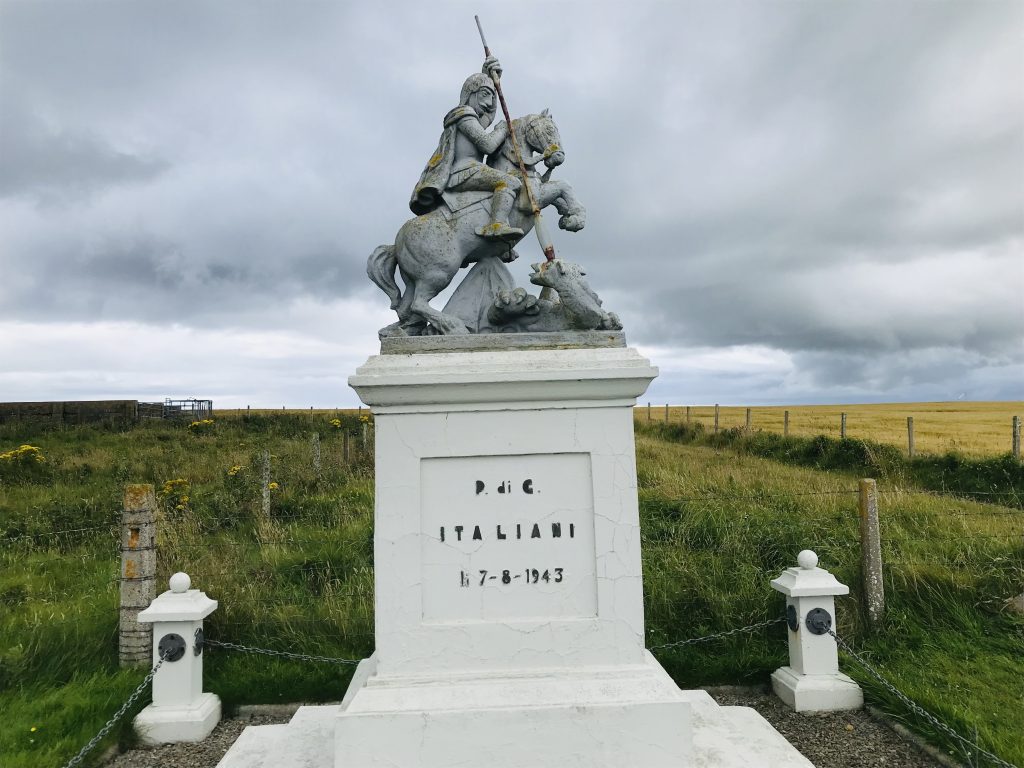
strength of the human spirit to create beauty in dark times. During WW2, Orkney held POWs, mainly Italians captured in the North African campaigns.
They were put to work building the causeways connecting the mainland to the smaller islands, today’s Churchill Barriers. Imagine being captured
by the “enemy,” humiliated by defeat, doing hard labour miles from home in a climate nothing like your own. To survive that, you need a purpose, something
to lift your spirit day after day.
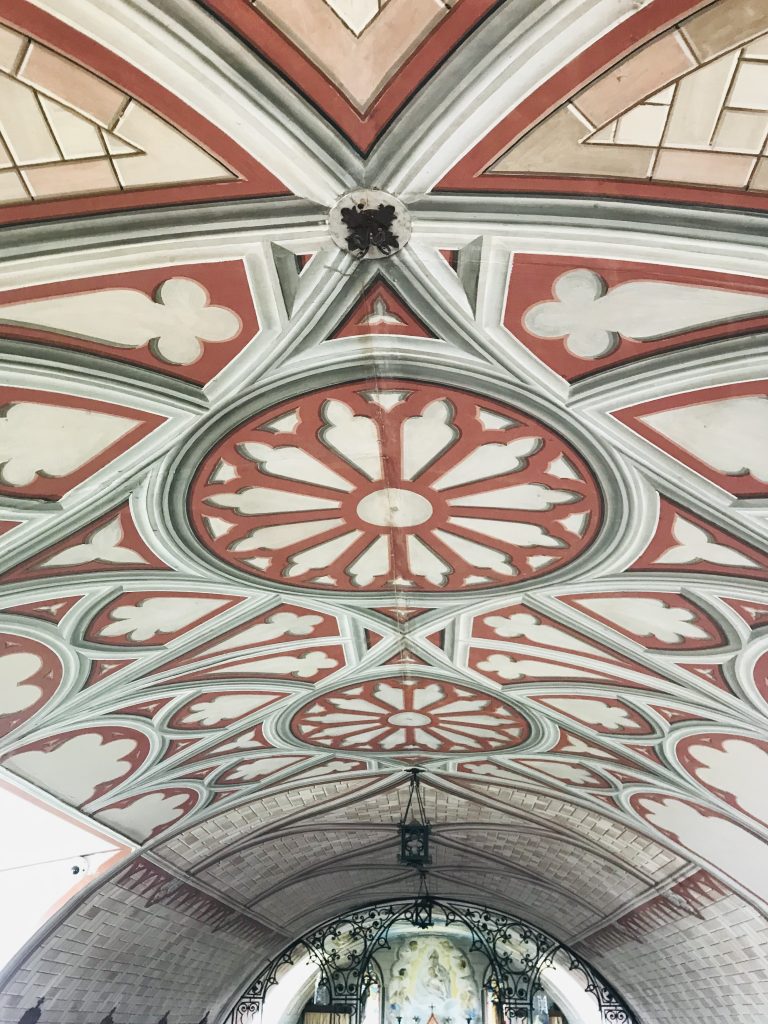
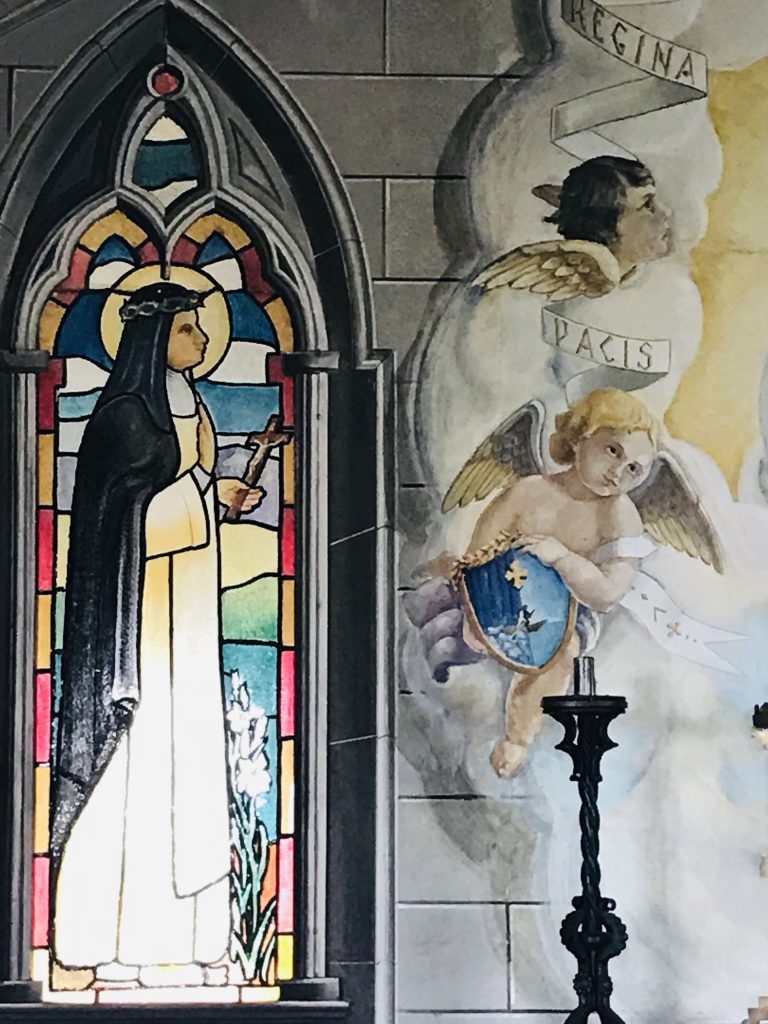
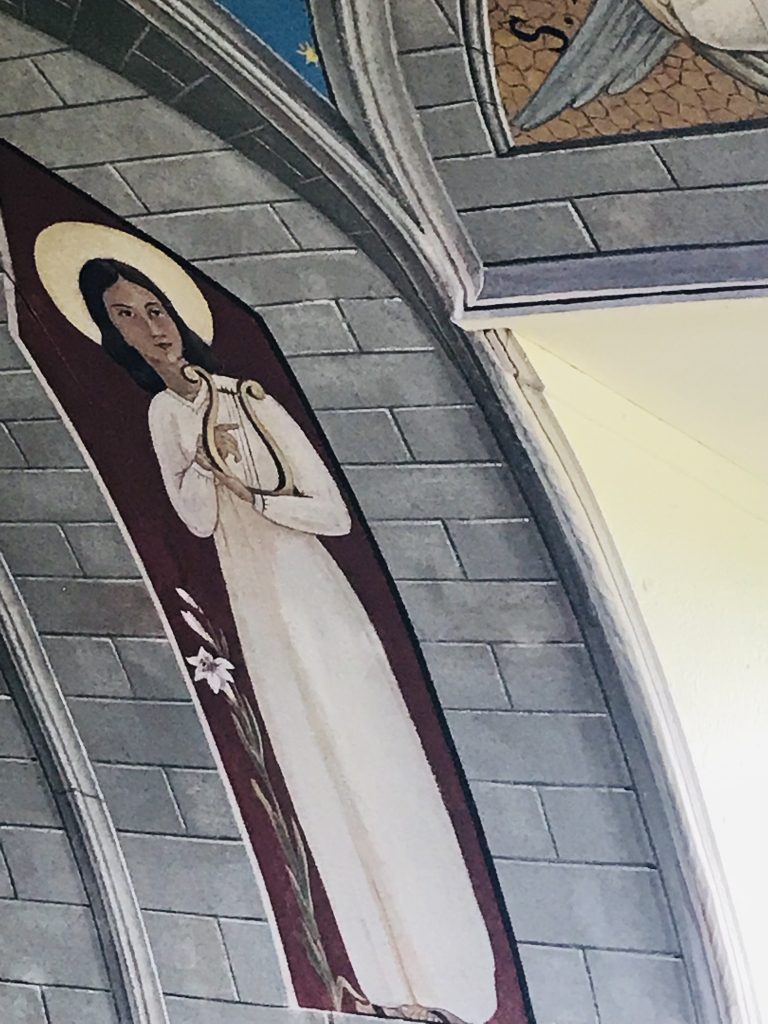
They decided to build a chapel. They were Italians, after all; what could feel more like home? They found they had artists among them and set them to paint the ceiling
and make it beautiful. They may not have been Michelangelo or da Vinci, but they left something for the ages: proof that beauty can be made in the darkest of times.
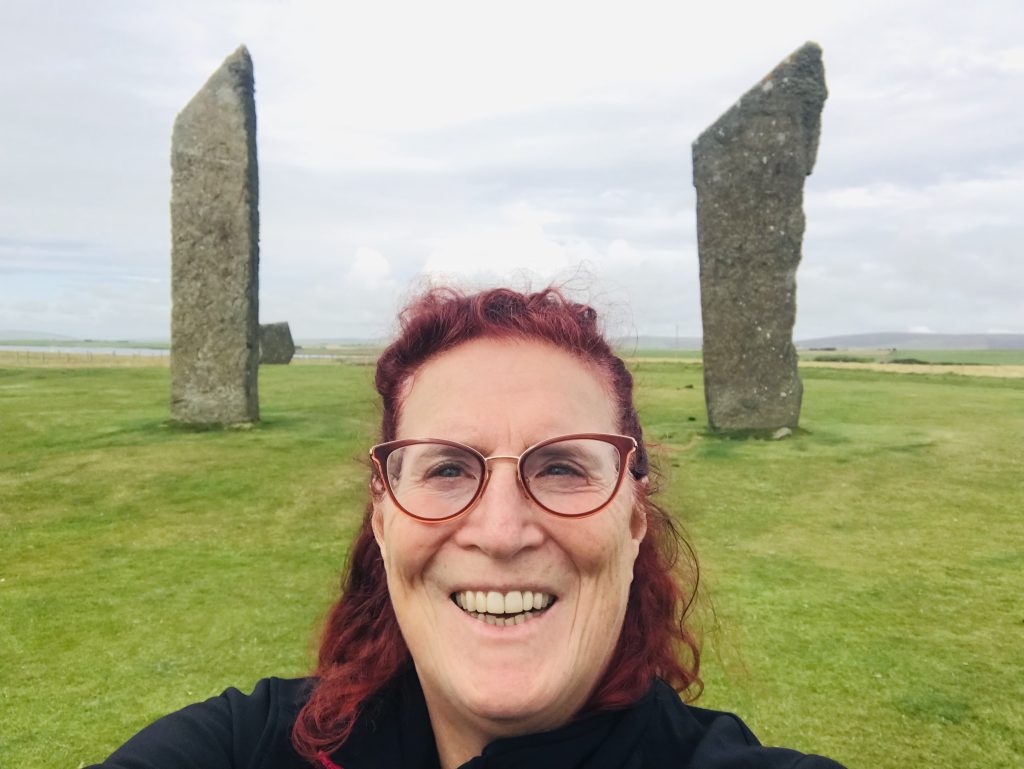
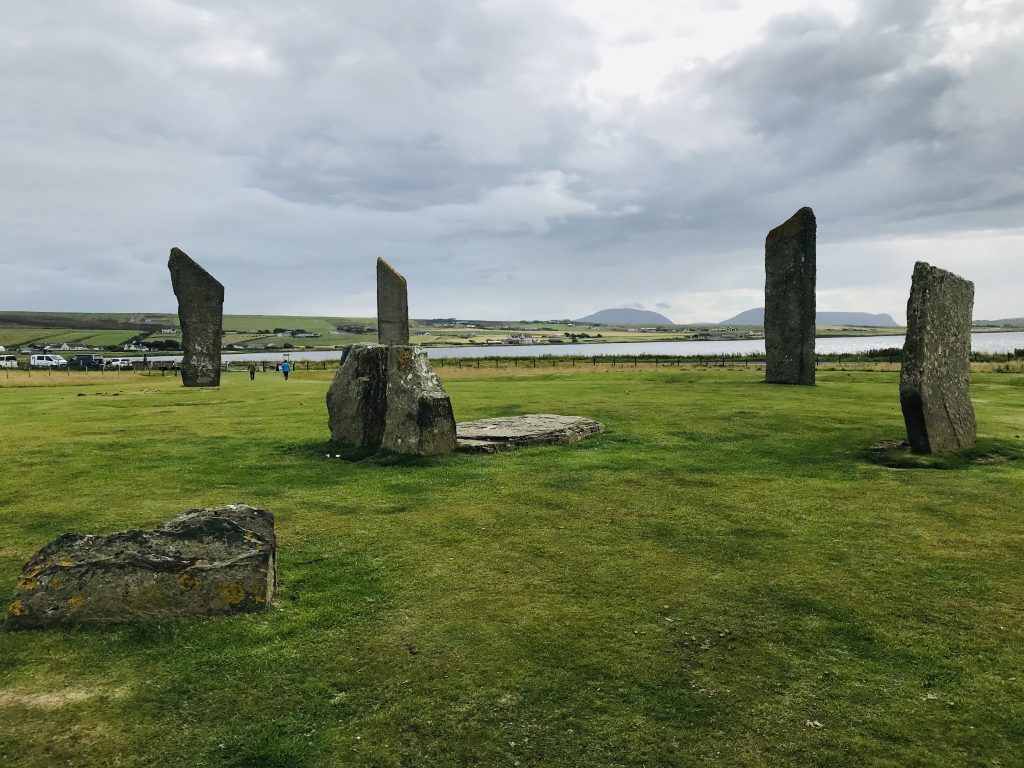
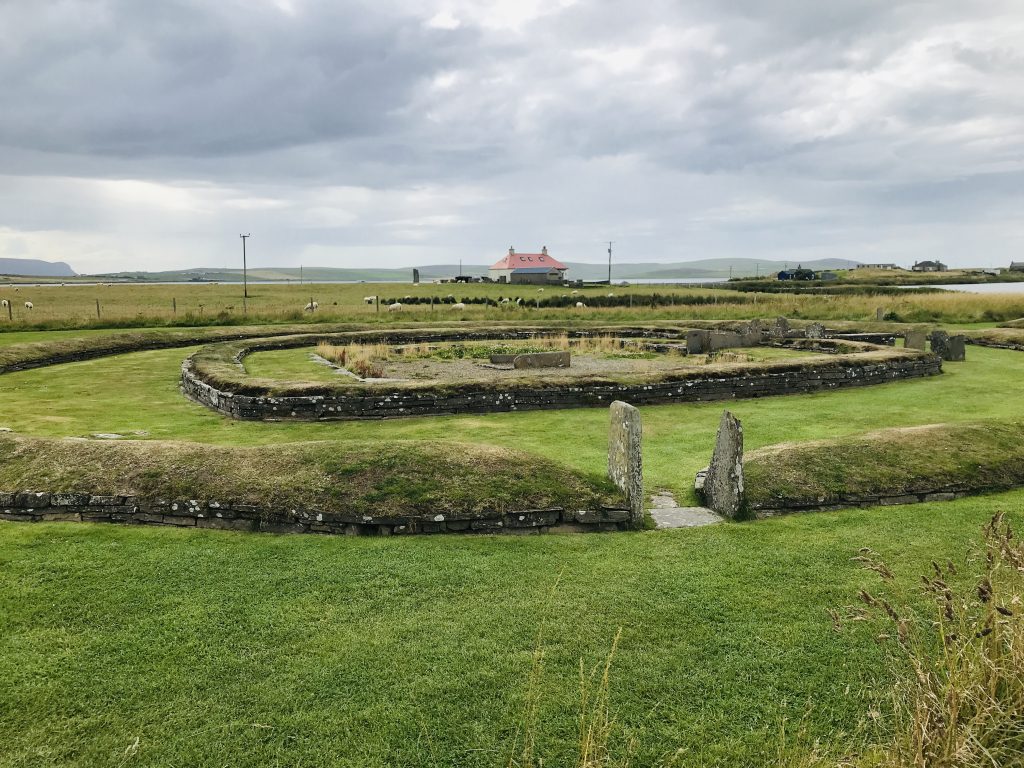
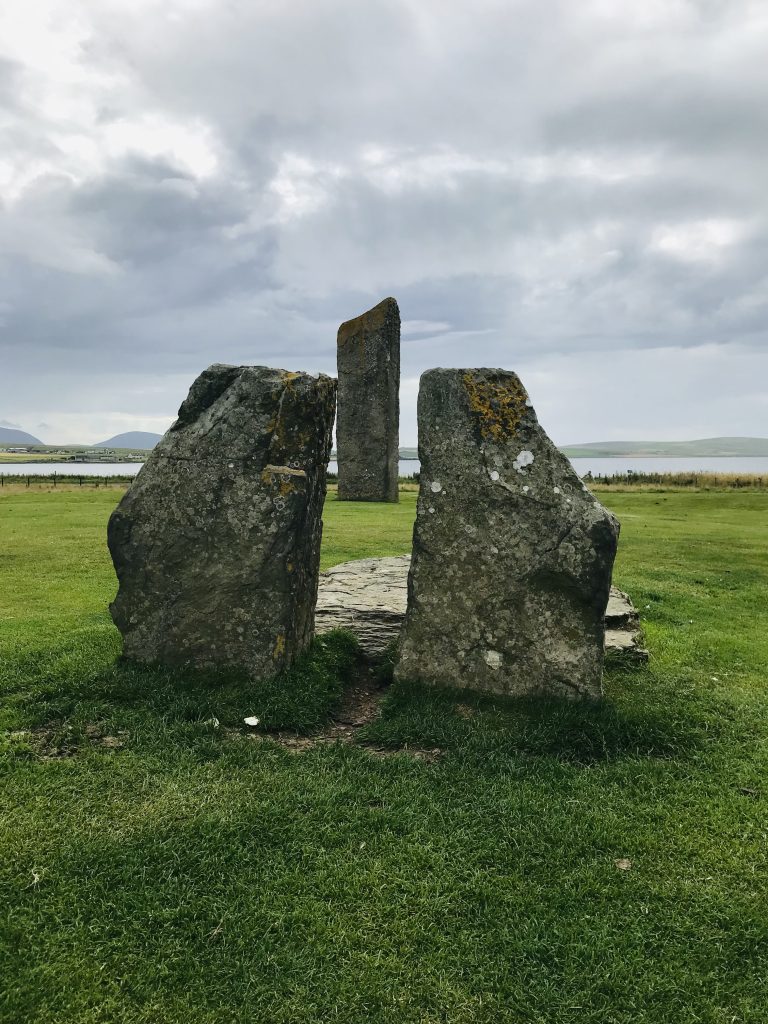
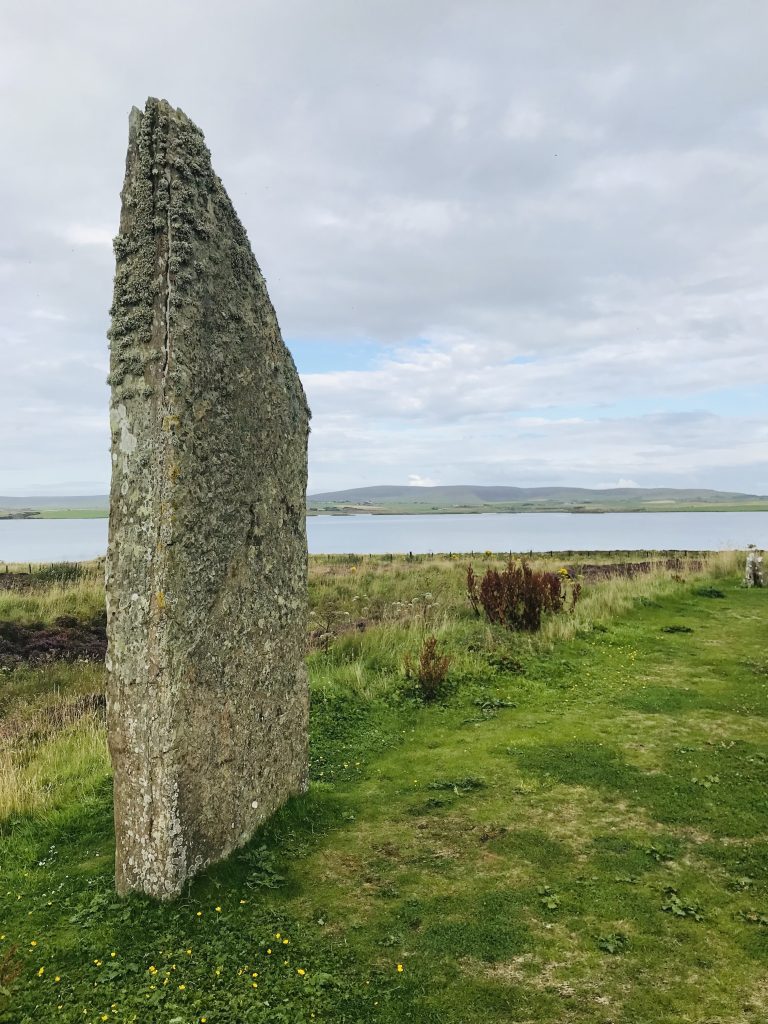
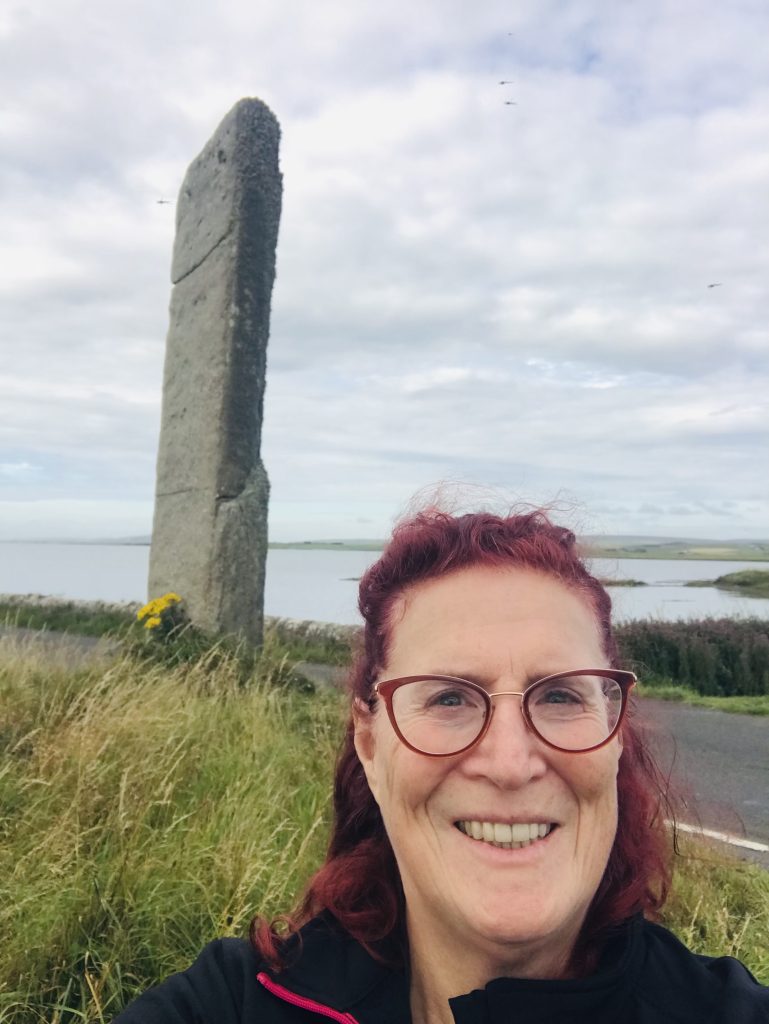
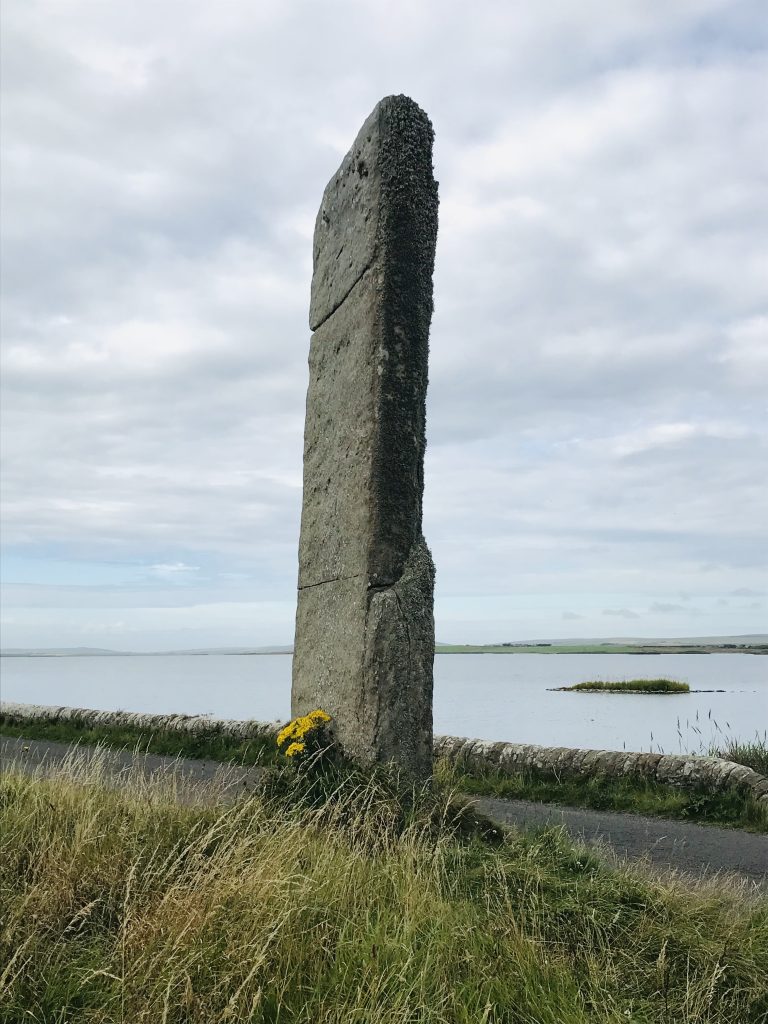
From there I drove to my first stop on my Neolithic journey: the Standing Stones of Stenness and the Barnhouse settlement.
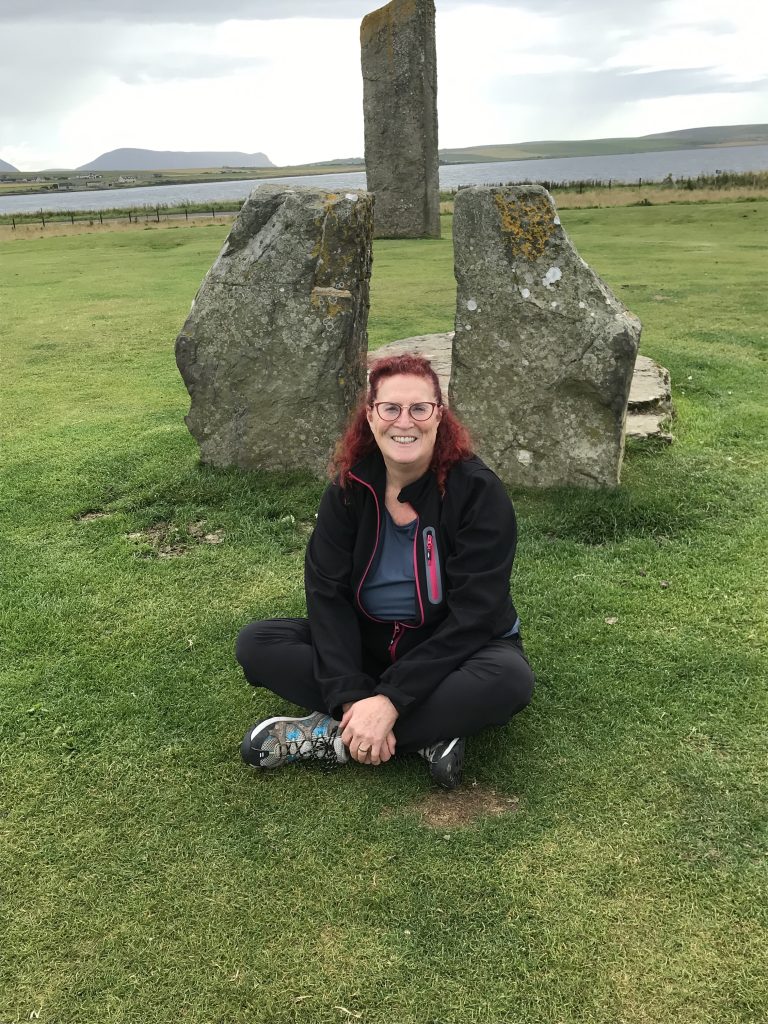
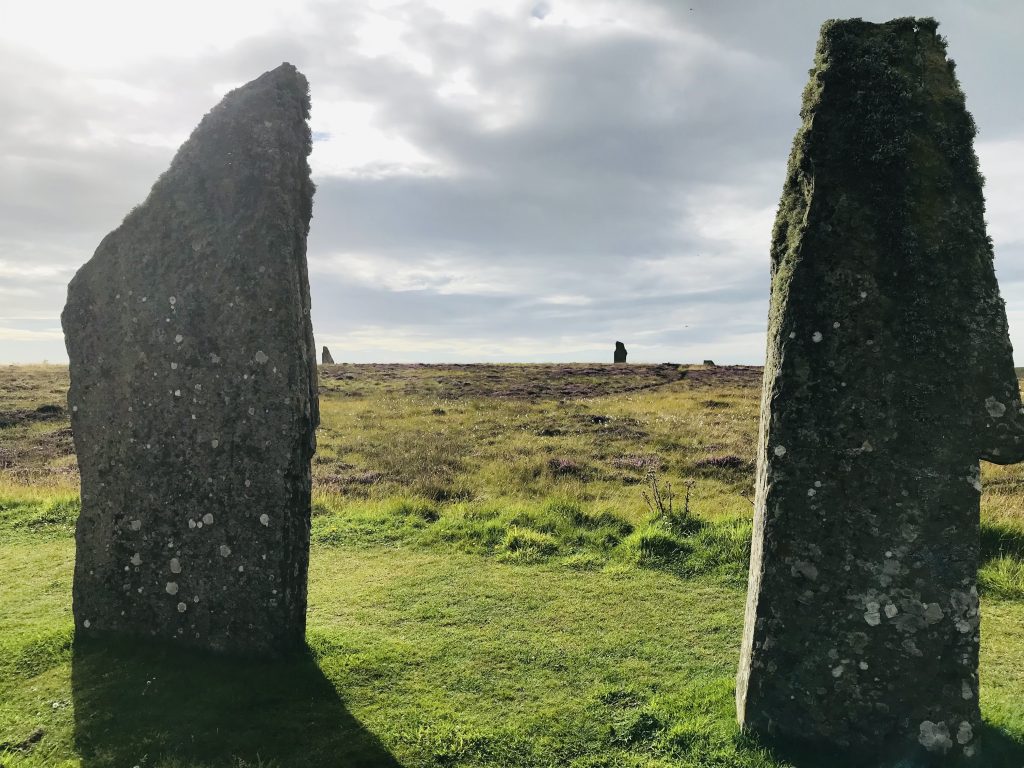
A whole busload of tourists was running between the stones when I arrived. Usually that would upset me; today I ignored it, and by the time I’d finished reading about the site’s purpose, they were gone. I had the place to myself. I walked into the centre and could feel the energy of the stones. One of them was calling me, so I sat beside it and heard it buzzing. No, I didn’t go through it, sorry, Outlander fans. But I felt everything around that place. I closed my eyes, and when I opened them, a full hour had passed and I had no idea what had happened.
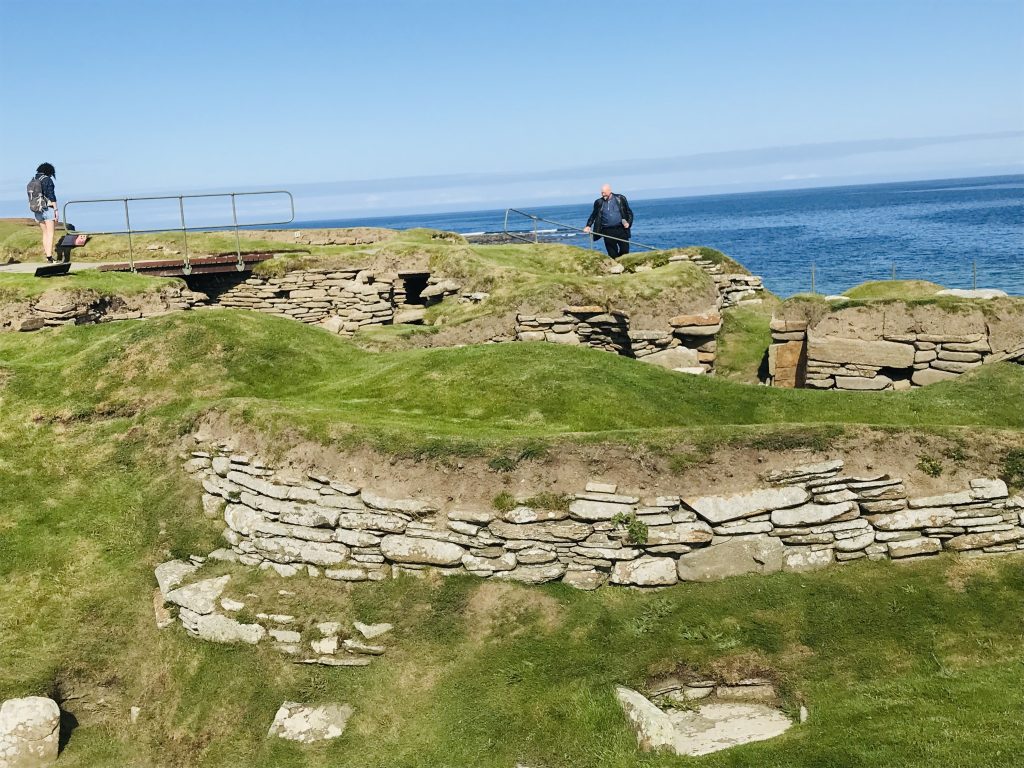
Then on to the remains of the village whose people built that circle. Less impressive, but when you think of these stones as living proof of people going about ordinary days nearly 4,000 years ago, you start wondering what will be left of us in another 4,000. How will we look to that future civilisation?
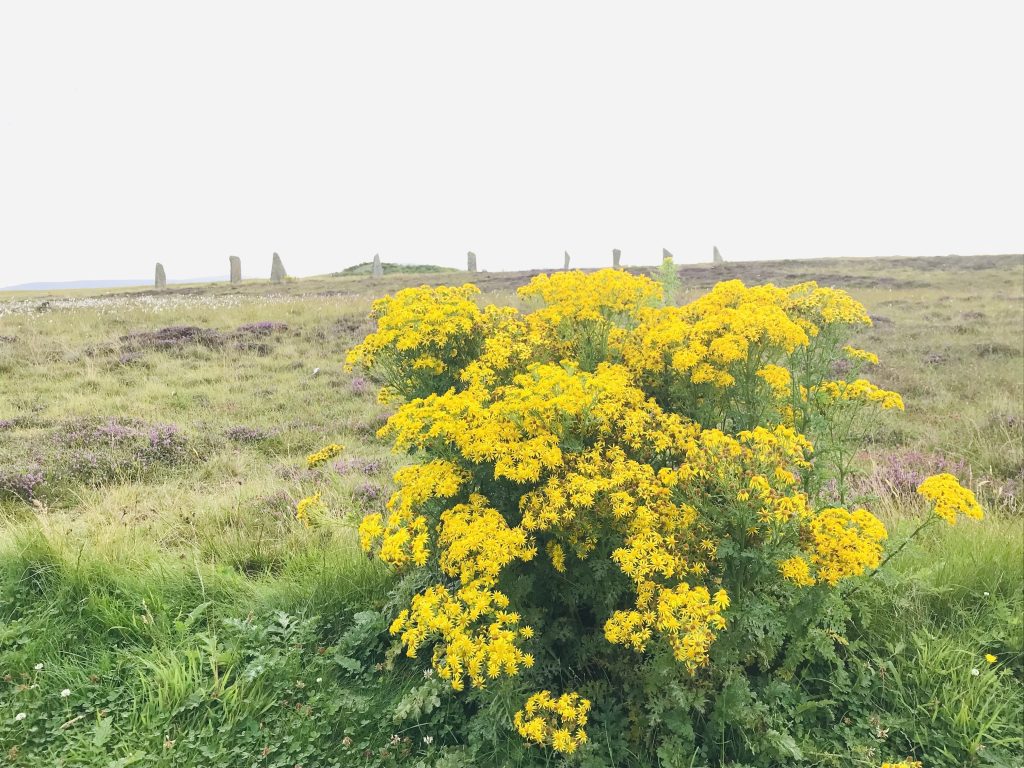
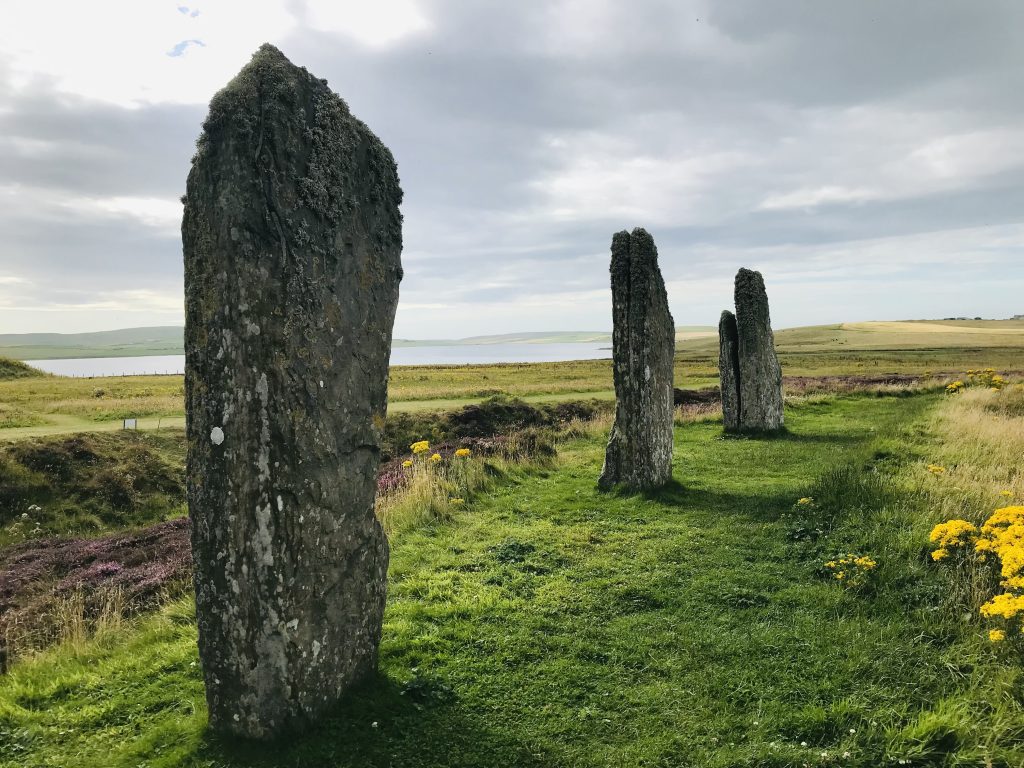
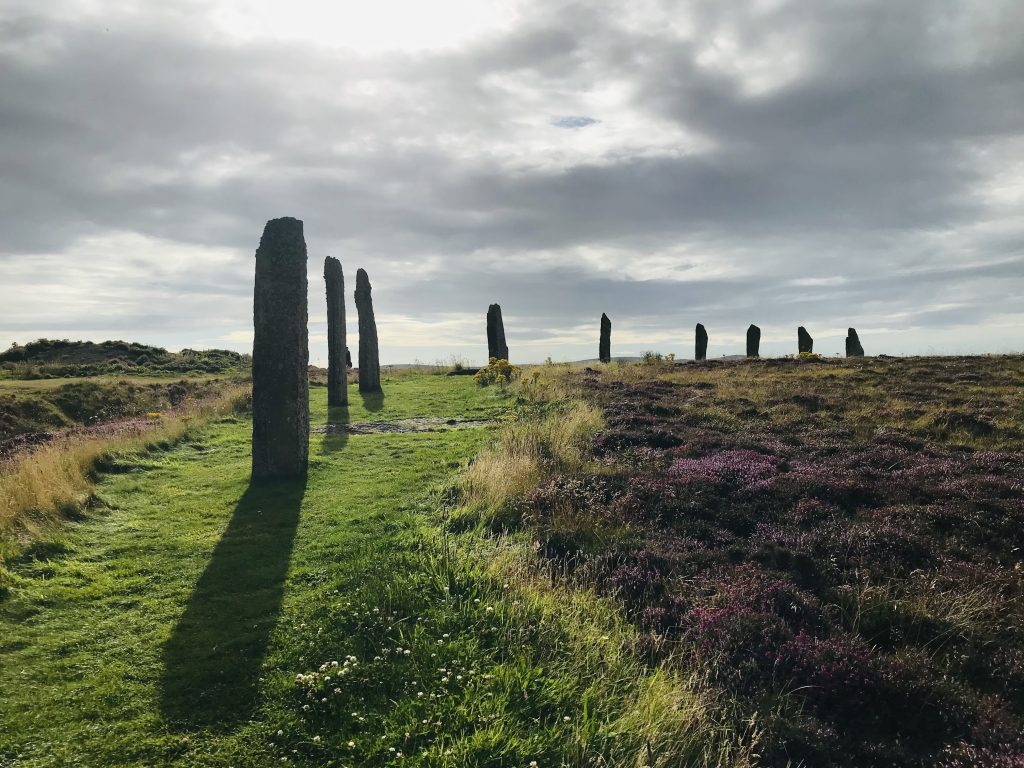
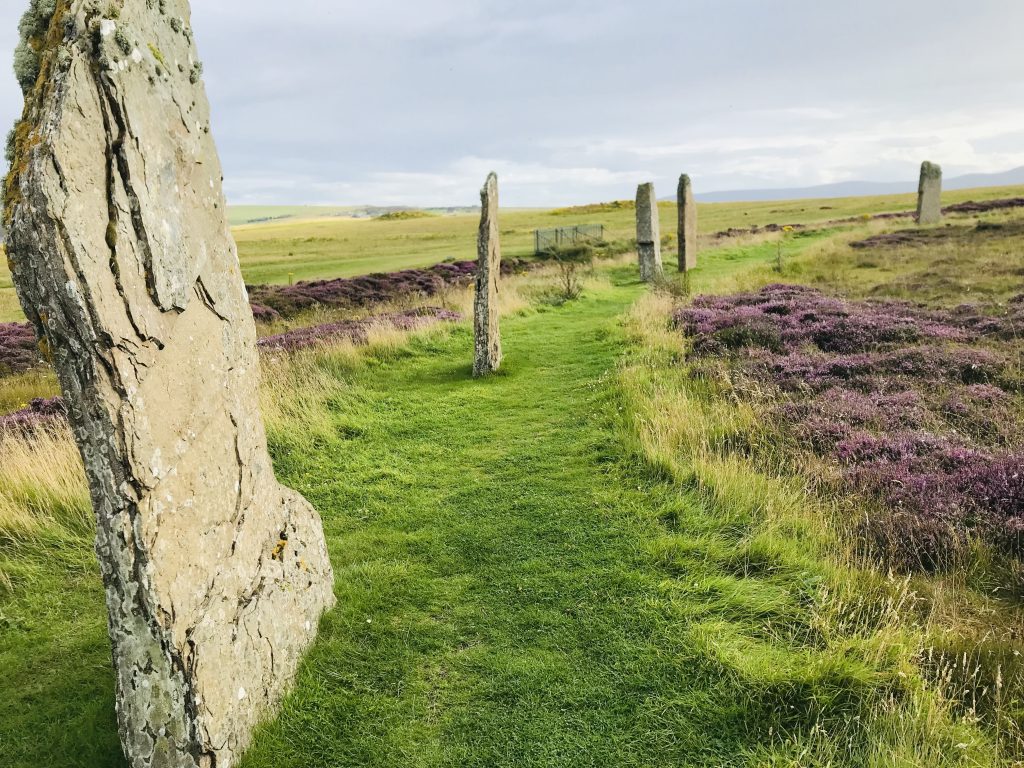
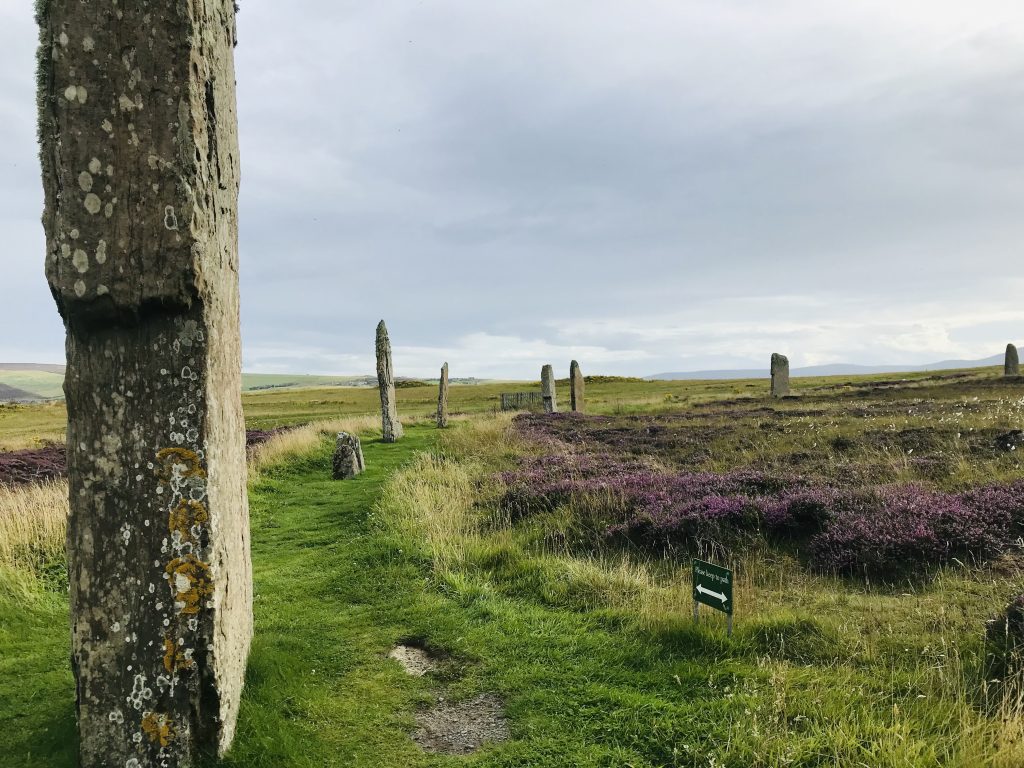
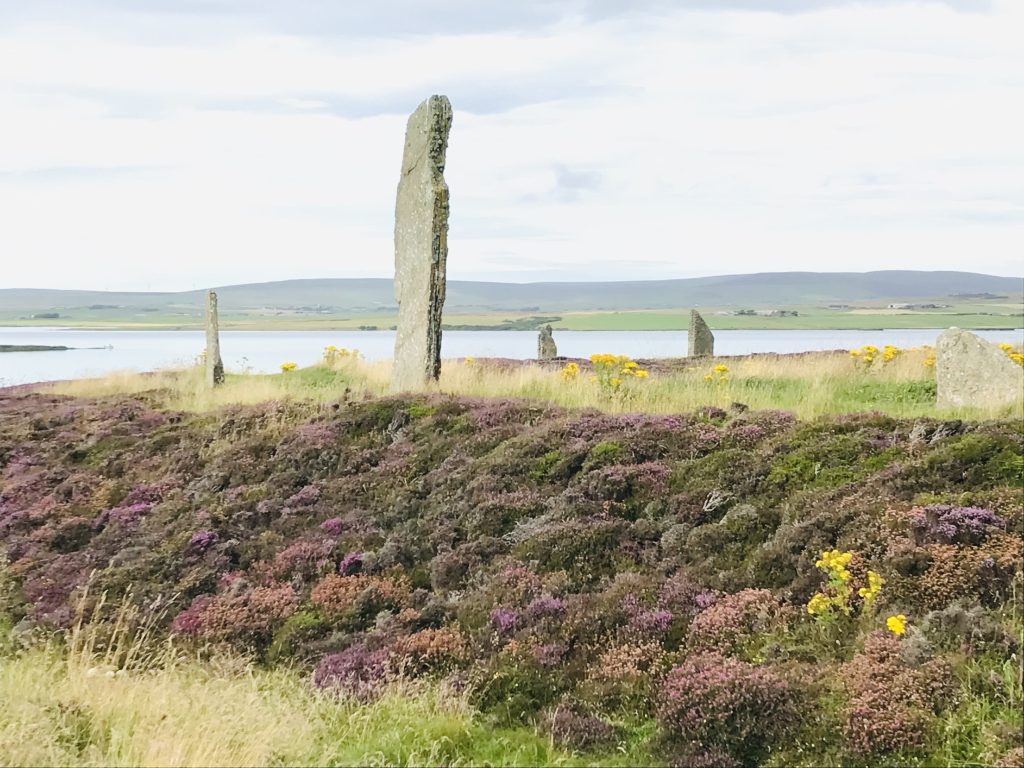
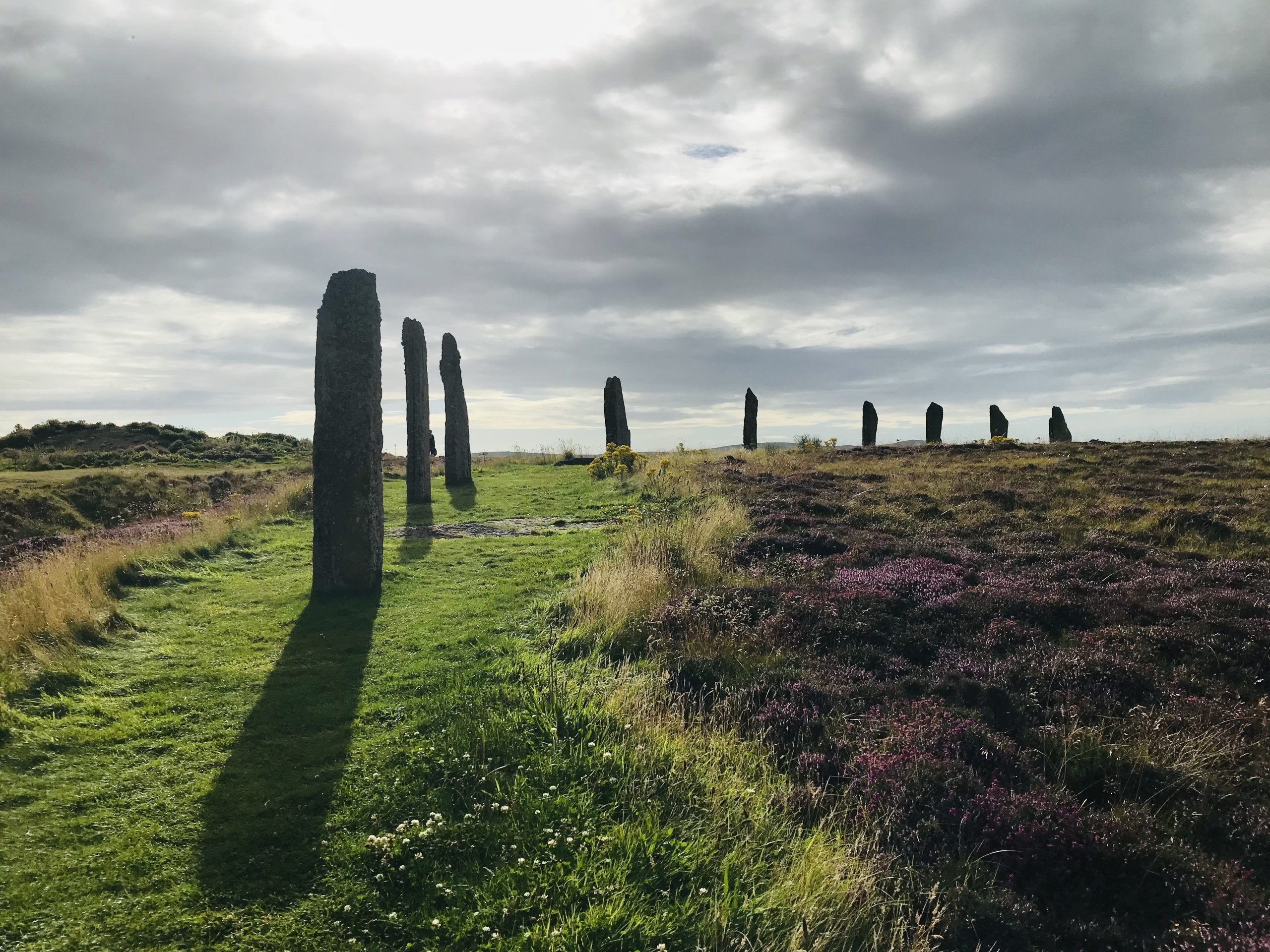
Last was the most photogenic site on the Orkney mainland: the Ring of Brodgar. Nothing prepares you for its beauty and power, and photographs don’t do it justice.
I spent a long time circling the stones. Each felt different. Then I saw a Japanese woman walking among them, singing. It felt exactly right, such a lovely way to honour them.
It was getting late, and I still had to find my B&B in the middle of nowhere. I had two more days here, and already knew this was a place I’d come back to.
Day 10 – About Human Nature.
I woke to an incredible sunny day. The colours were so bright it felt as if someone had polished everything overnight. There’s something about flat green meadows
set against blue sea and lochs, under Orkney’s ever-changing skies, that makes it breathtaking wherever you look.
Yesterday I paid my respects to the great ceremonial sites. Today was about daily life, the ordinary kind, the kind we spend most of our lives in.
These places reminded me why I was drawn to Archaeology years ago, and to Prehistory in particular, which offers far less spectacle than later periods.
Think of the Pyramids or the Parthenon next to a stone circle.
I remember a starry night in the Sinai Desert, excavating the burial tombs of a nomadic culture from more than 4,000 years ago. Someone asked why I was drawn to prehistory, and my answer came instantly: I want to understand human nature. I want to know whether we’ve changed.
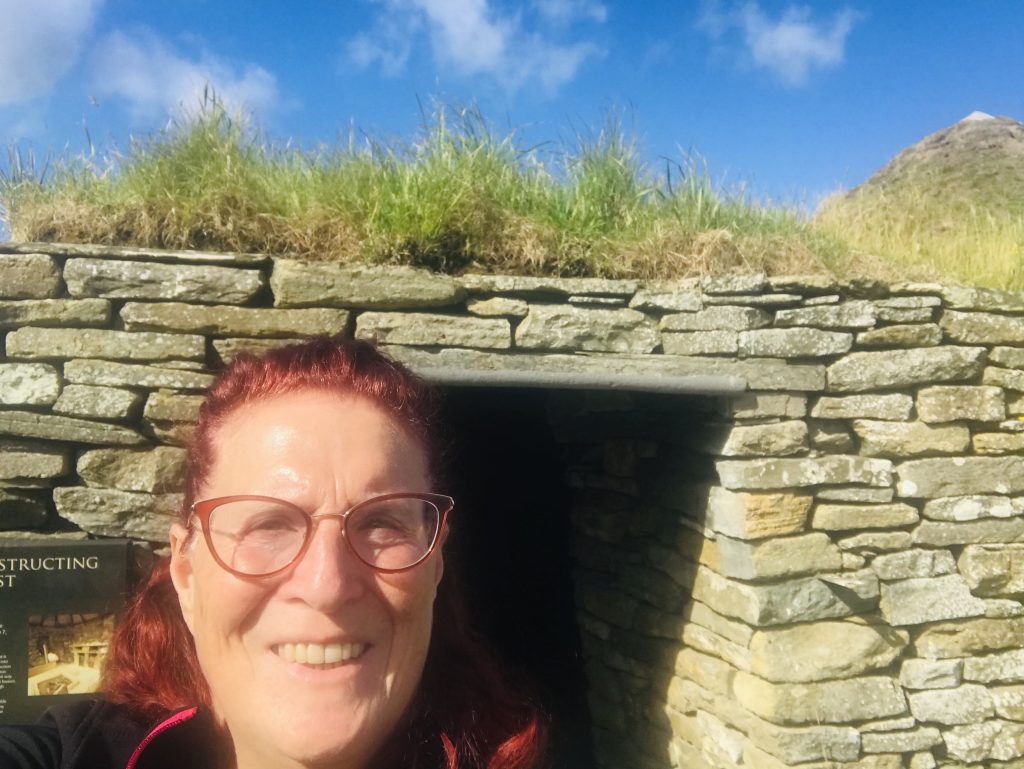
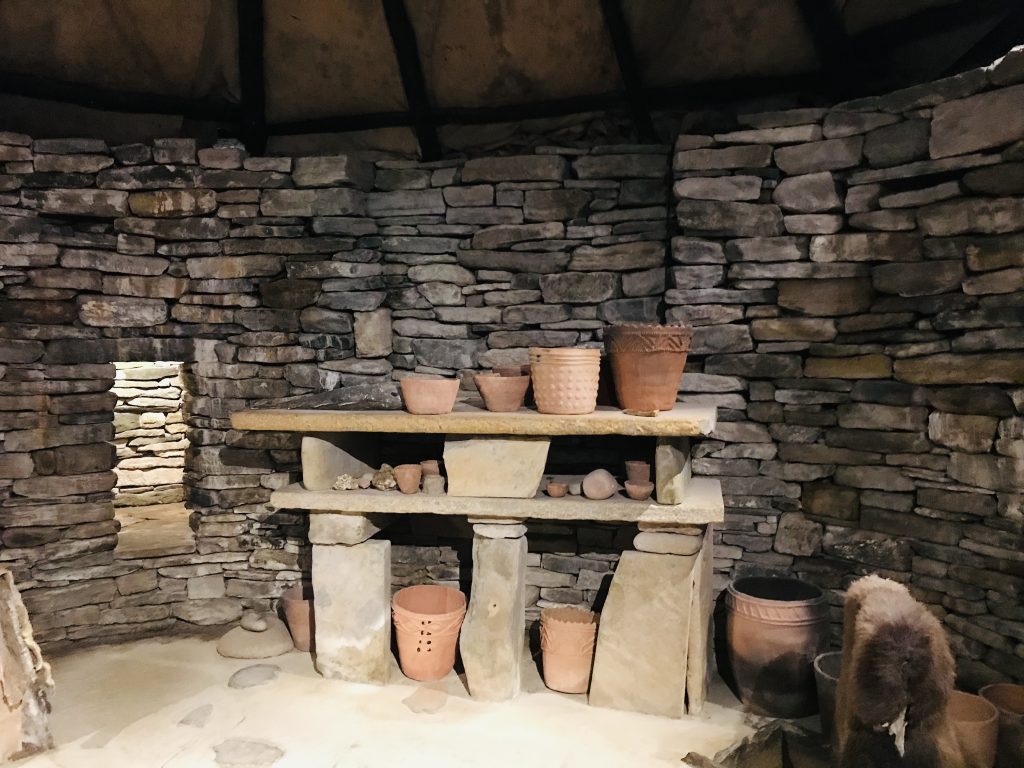
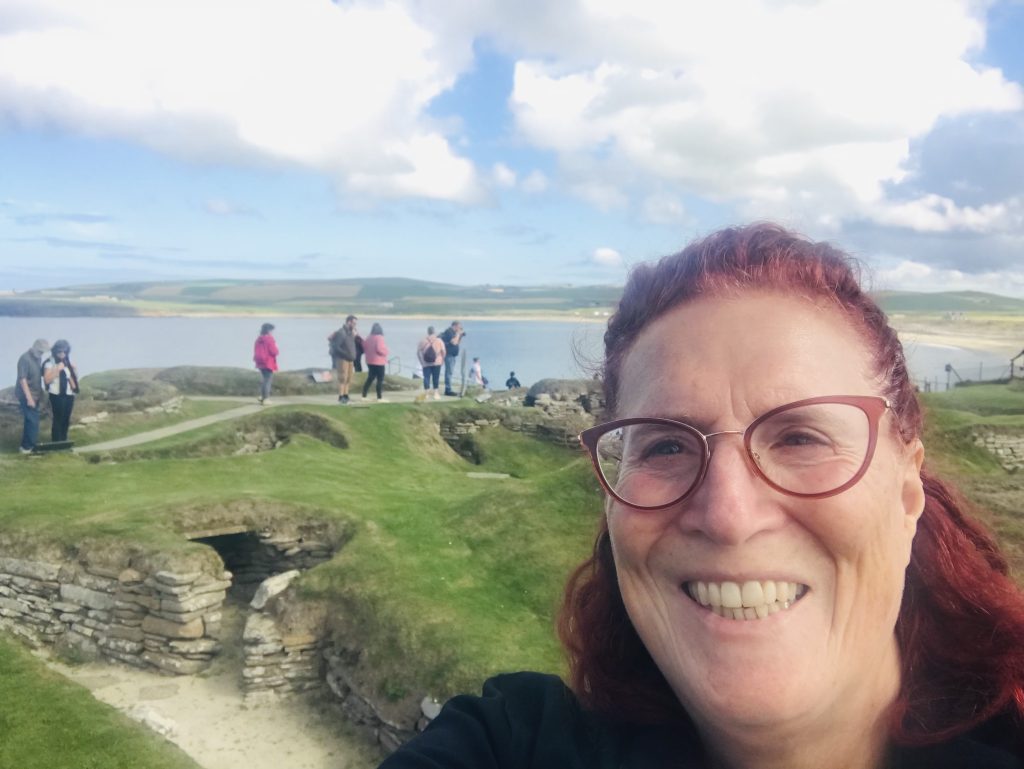
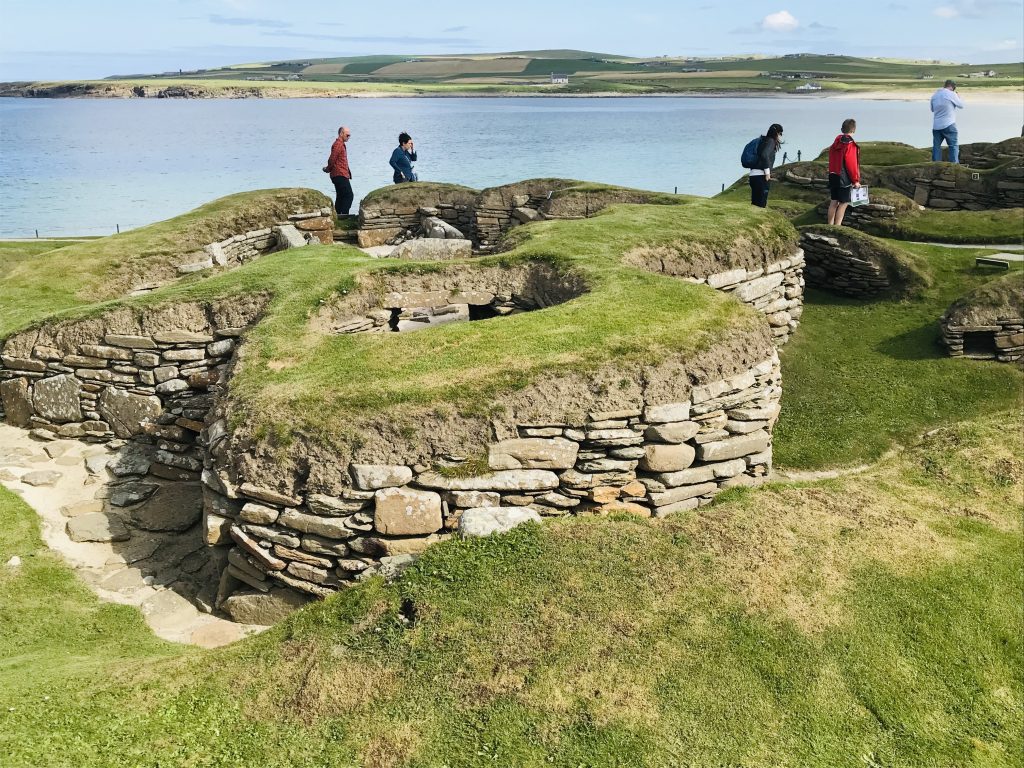
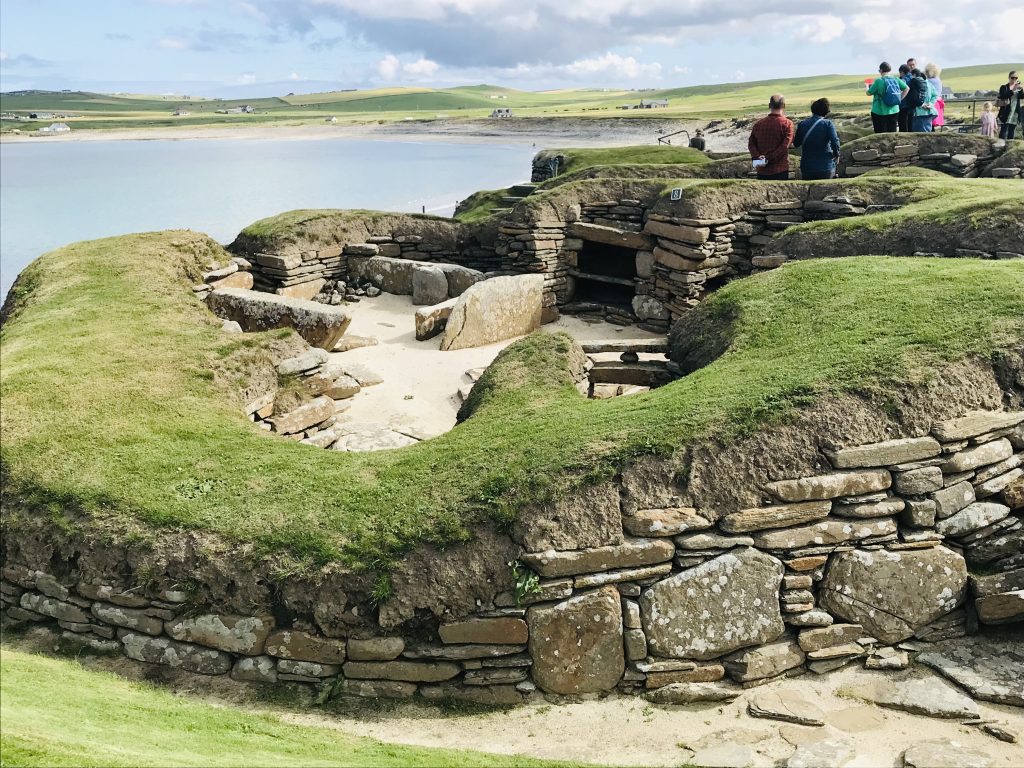
That conversation came back to me today at Skara Brae. The settlement discovered by chance in 1850, when a winter storm stripped the dunes at the Bay of Skaill and uncovered a village from around 3,500 BC, with houses, workshops and everyday artefacts that let us glimpse how that civilisation lived.
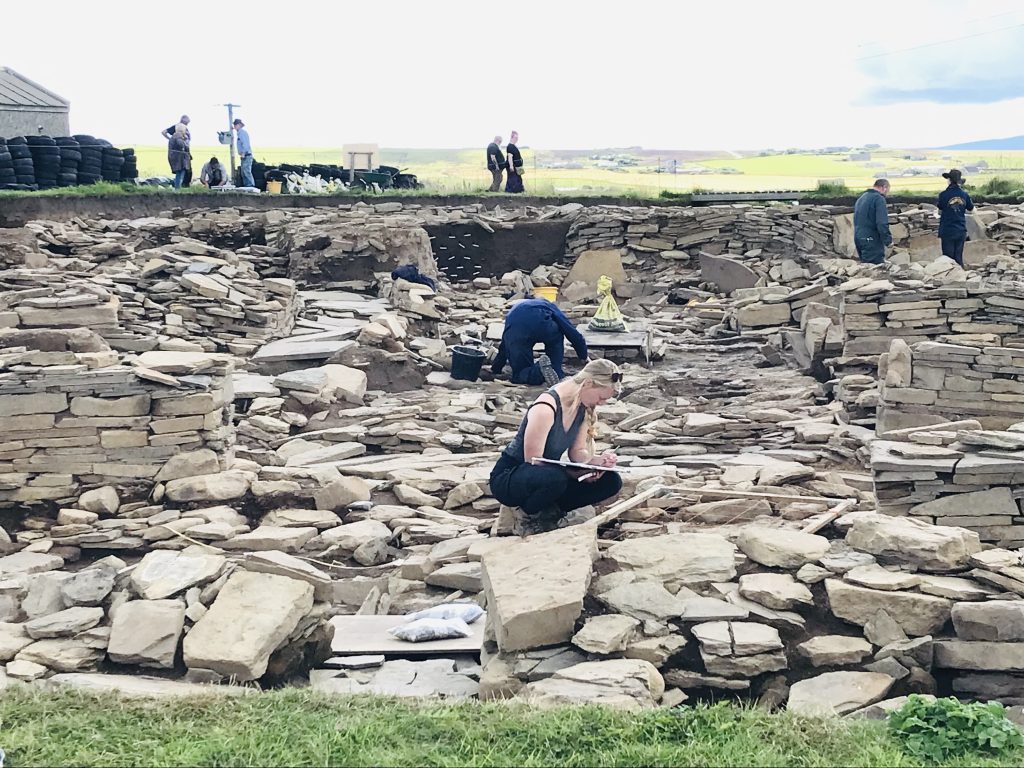
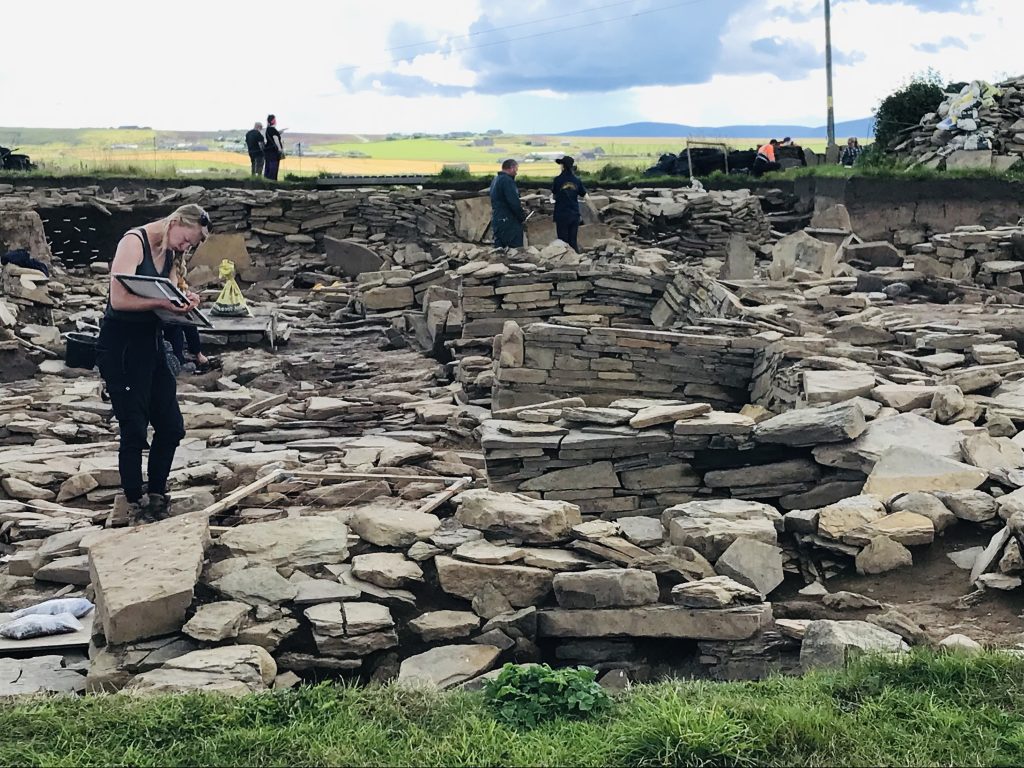
Later I went on to Ness of Brodgar, still under excavation after twenty-plus years. They have uncovered only 20% of what’s there. I joined a guided tour led by the head of the project: one of the most entertaining I’ve ever been on. The man knew his Prehistory, and he could bring that unknown civilisation to life and put it in perspective for the 21st century.
The bottom line: there is nothing new under the sun when it comes to human nature. We have always settled where there is an obvious source of food and water.
Orkney has it all: fertile land, a bounty of fish and seafood, game roaming the land. Once the basics were secured, we turned to art: jewellery, pottery, figurines.
You can see it all at Skara Brae.
We craved fame and recognition too, which set off that old cycle of “anything you can do, I can do better and bigger.” Ness of Brodgar is all about that.
More than 36 buildings uncovered in twenty years, some built one on top of another, each out to outdo the last. Not to last forever, only to show what they could do.
The place was used for gatherings, probably once or twice a year, and then everyone went back to their ordinary lives.
The biggest question is why this civilisation ended. Why abandon the site? Some say that as the Stone Age gave way to the Bronze Age, tight communities like Skara Brae found more opportunity in individual landholdings across Scotland, and people preferred that to communal life. Individualism replaced community…sounds familiar?
The same pattern we know so well today, the need for the latest iPhone, was running in this Neolithic culture too. It just showed up in how they built their newest gathering houses at Ness of Brodgar.
So today I got my answer to my own question from all those years ago. Human nature hasn’t changed much across all those centuries. We just changed the gadgets.
Day 11 – Life Is.
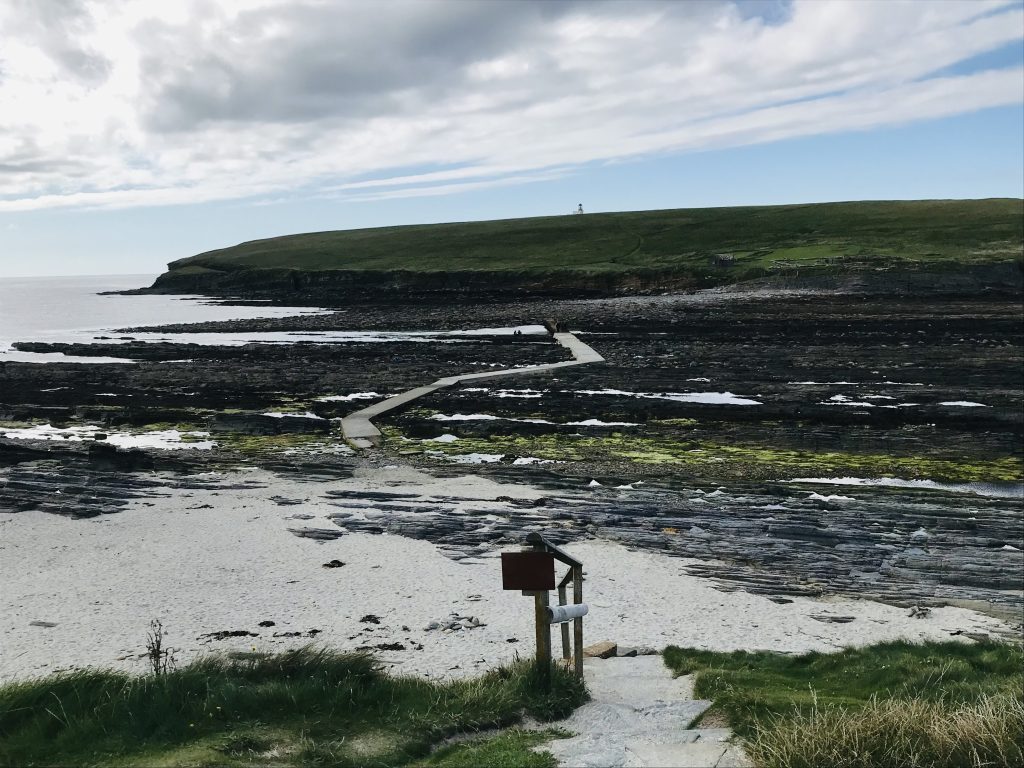
I woke to a typical Orkney day: grey, windy, cold. I was determined to do my walk to the Brough of Birsay anyway. I wanted my photos.
I packed and headed to the Bay of Birsay for breakfast on that lovely beach and the crossing to the deserted island…only to arrive at high tide, with 2.5 metres of water over the causeway.
Time to change plans. I drove across the island for another recommended hike, stopping on the way at the famous burial mound of Maeshowe. I was getting out of the car when a lovely woman came over and asked if she could help. She explained you can only visit on a guided tour, booked in advance, and the next slot was at the end of the month.
I told her I was leaving on the last ferry that night. She pointed me to the Visitor Centre down the road, with an exhibition and a short film, or, if I wanted the experience,
a lesser-known chamber nearby called Cusheen I could visit on my own.
I drove to the visitor centre, discovered it cost £10 to enter, and said PASS. So I went looking for the other chamber, which turned out to be quite a hike up a hill.
“I need the exercise,” I told myself, and climbed.
At the top I discovered that to get inside you have to crawl on your belly. My knees and back protested at the very thought. Too much for me. I photographed the entrance and headed back to the car.
On the way to my trail, I realised I could fit in Stromness, the island’s second town. I found it grey and rather depressing. You can see it was once a fishing town; today it’s mainly a port for ferries and cruise liners. They’ve tried to keep the old Main Street interesting, but it felt too commercial. I left.
Next, St Magnus Cathedral in Kirkwall, standing since the 11th century and built by… VIKINGS! Hard to picture Vikings as Christians, but Orkney belonged to the Norwegian Viking kingdom until the 15th century, by which time Christianity was part of Viking tradition. The red stone cathedral is truly impressive, but any hope of meditating there was foolish: two coach loads of tourists arrived just as I did, and parts were closed off for tomorrow’s Festival of Flowers. Too buzzy for me. Time to leave.
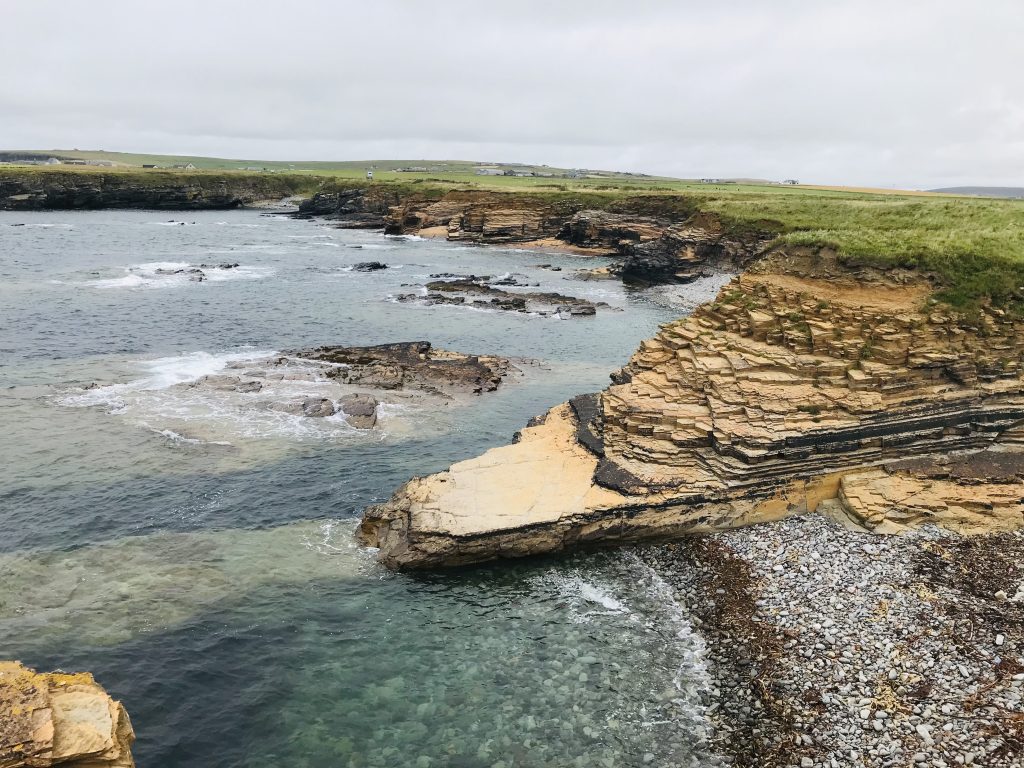
Finally, my hike on Mull Head. At last, something went the way I planned. It was amazing. Cliff tops, seagulls soaring overhead, the most fabulous view for my lunch on the rocks. As a final gift, I saw the Gloup, a word of Norse origin for a collapsed sea cave or large blowhole. I was hypnotised by its beauty.
I could have stayed for hours, but it was getting colder and windier, and I had a ferry to catch back to Thurso, where I’m staying another night with my friend.
Tomorrow, the long drive back to Perth to return the car, then a long weekend in London with my darling, amazing daughter.
Writing all this now, I realise that although nothing, and I mean nothing, went my way today, I never got upset or felt I’d got it wrong. I just accepted it and carried on.
I was truly living. LIFE IS.