Iguazú Falls: Mist, Mayhem, and a Moment of Zen.
Nothing says vacation alert mode quite like wandering dark streets at 5:15 a.m., dragging suitcases, searching for a bus stop that Google Maps swears exists, but very clearly does not.
Our Iguazú adventure began in classic travel fashion: too early, slightly panicked, and fueled by blind optimism.
After five days in Buenos Aires, we were sure we’d cracked the public transport code. We hadn’t.
Twenty minutes of circling streets, squinting at bus numbers, and muttering words best left untranslated later, a kind bus driver took pity on us, waved us aboard for free, and dropped us one stop from where we actually needed to be. A miracle in uniform.
Buenos Aires sent us off with a dramatic farewell: a sunrise so outrageous it looked Photoshopped, the sky on fire as we flew north to Posadas.
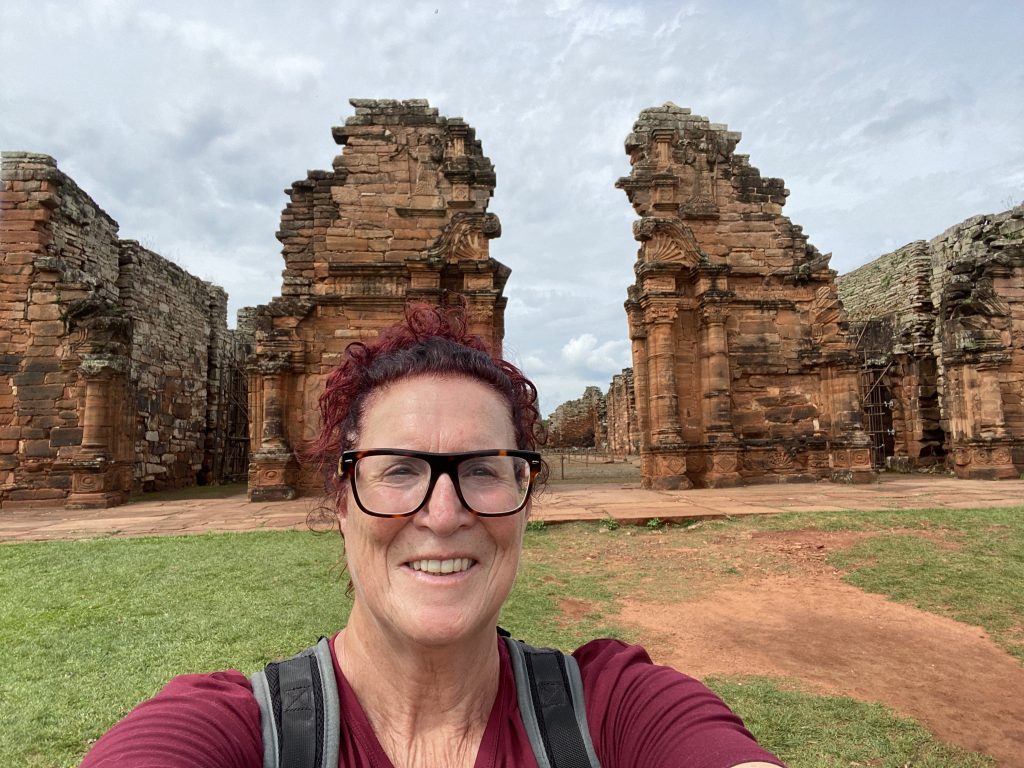
From there, instead of heading straight to Iguazú Falls, we took a detour suggested by our travel advisor: renting a car to visit the Jesuit mission ruins in Misiones. I was sceptical. Archaeological sites usually fall into Yoni’s mental category of “pile of stones.”
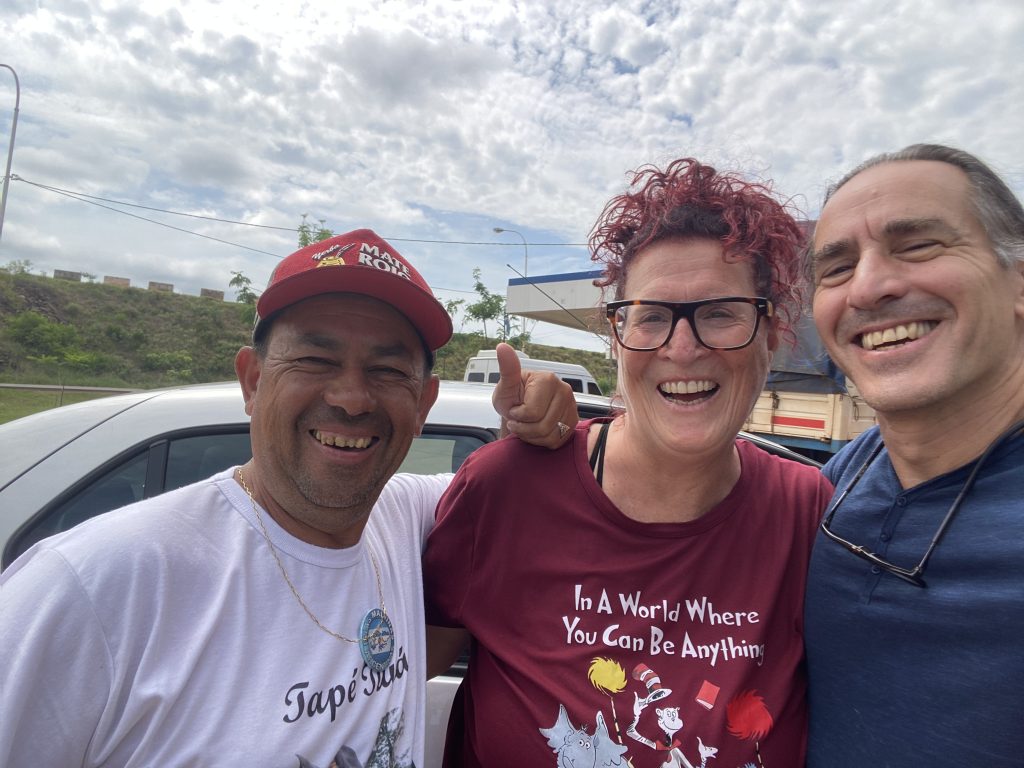
Enter Bruno.
We met him at a gas station while Yoni was enthusiastically discussing bread. Bruno turned out to be a walking encyclopedia of the region.
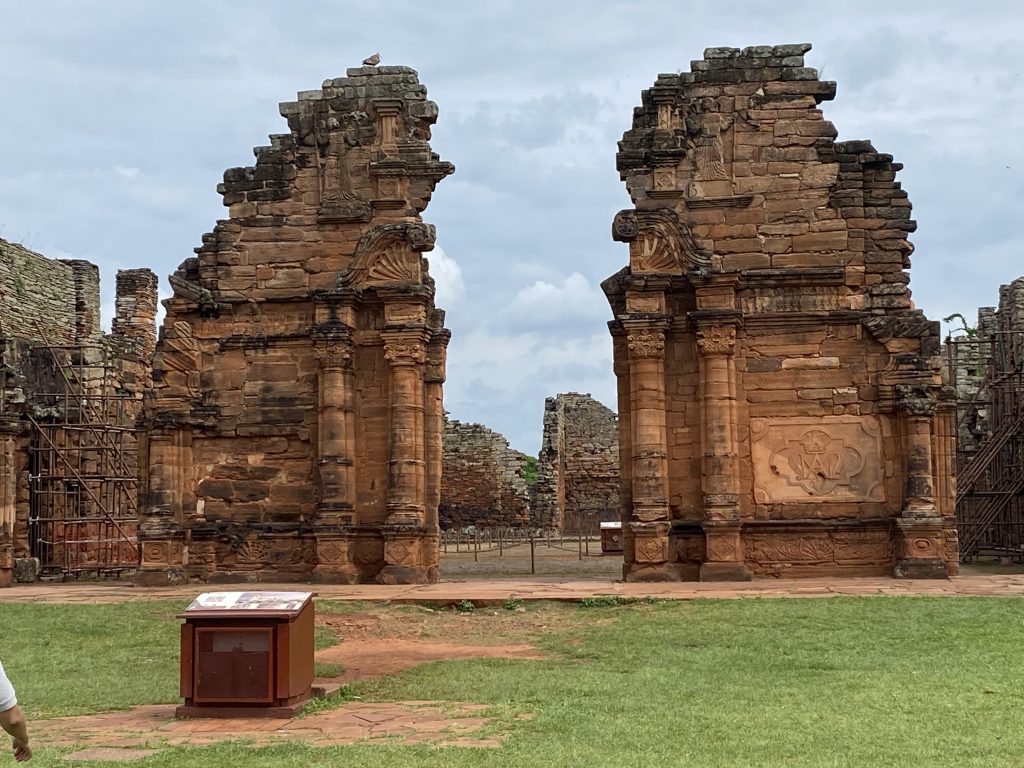
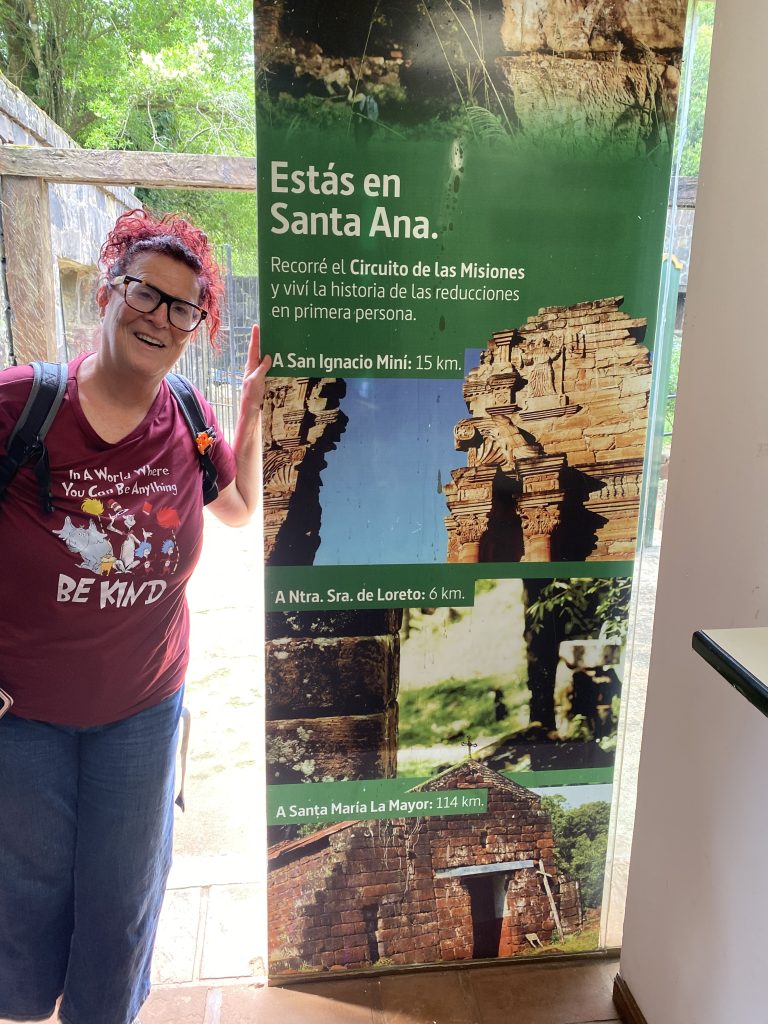
When I mentioned San Ignacio Miní, he lit up and suggested we go to a lesser-known site nearby, Santa Ana.
His enthusiasm was contagious, and we changed plans on the spot.
Best decision of the day.
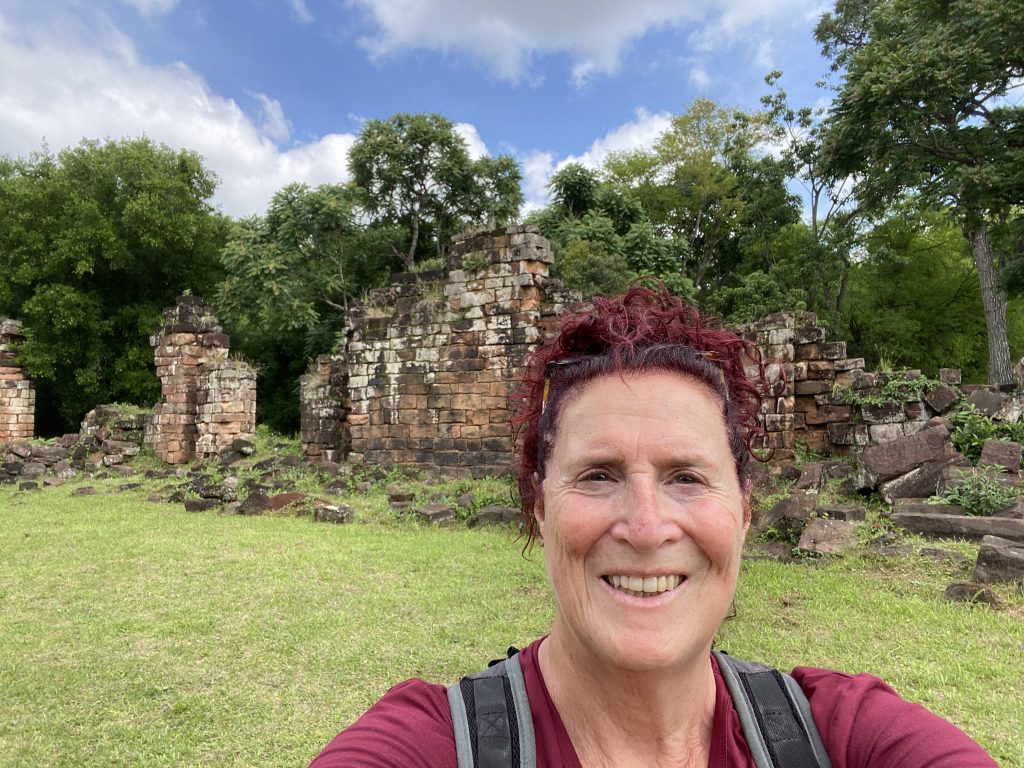
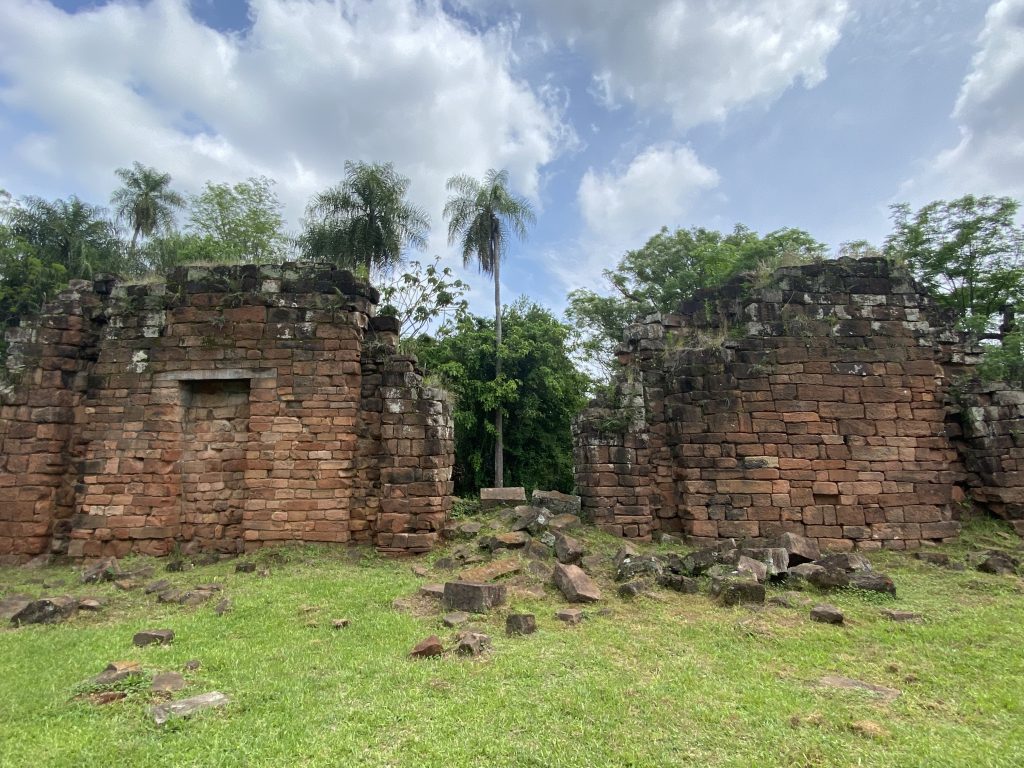
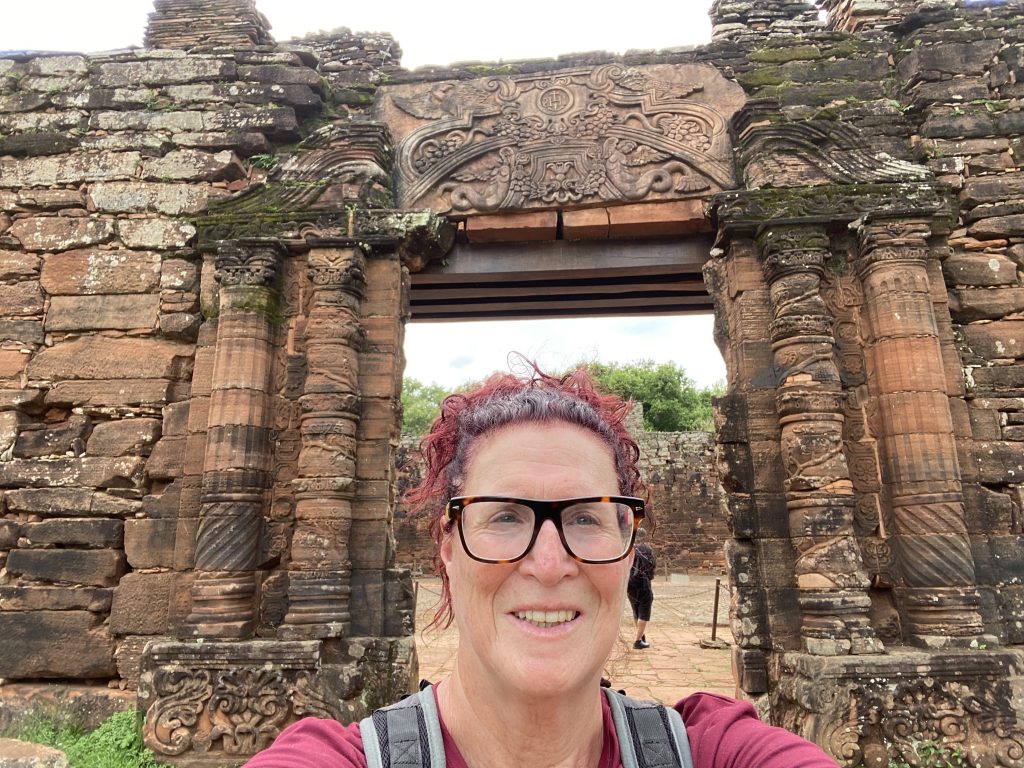
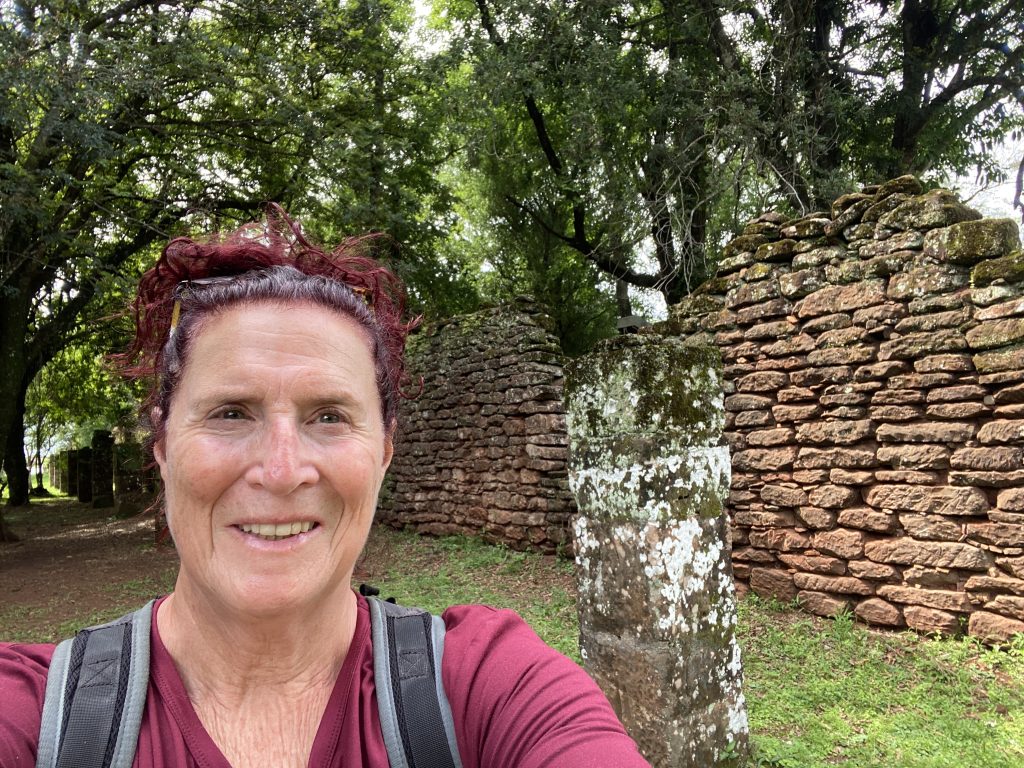
At Santa Ana, history felt alive. These 17th-century Jesuit missions weren’t built over the local Guaraní people but with them.
The Jesuits created communities based on education, music, equality, and shared governance, ideas wildly ahead of their time.
When the Jesuits were expelled in 1773, the jungle reclaimed everything, leaving the ruins undiscovered until the 1930s.
Walking among the remains, you could almost hear echoes of a lost utopia.
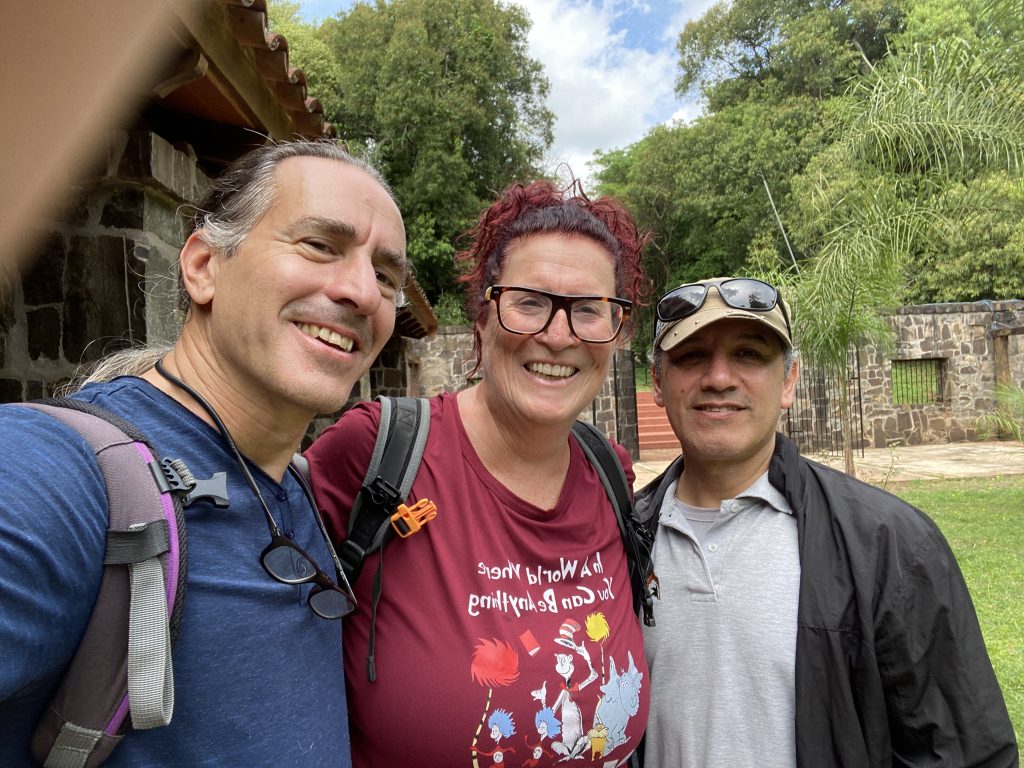
And then came the real shock: Yoni loved it. No eye-rolling, no sighs, just a quiet, sincere: “That was really interesting.”
briefly considered checking his pulse.
That evening, after a long drive through pounding rain, we arrived in Iguazú.
The rain continued… all night… and most of the next day.
Plans dissolved. Adventures postponed. Which, honestly, felt perfect. Long trips demand rest days, whether you schedule them or not.
So we read, napped, watched puddles form abstract art outside our window, and let our bodies catch up.
By late afternoon, the sky cleared, and we wandered into Puerto Iguazú, muddy streets, potholes that could swallow small cars, and a vibe that instantly transported me back to our first trip to India in the ’90s. Charming, chaotic, and completely unconcerned with sidewalks.
The next morning, logistics threatened to sabotage us again. Our Airbnb was inconveniently far from everything, but Yoni negotiated taxi prices like an Olympic sport, and at 8 a.m. sharp, we were on our way to Iguazú National Park.
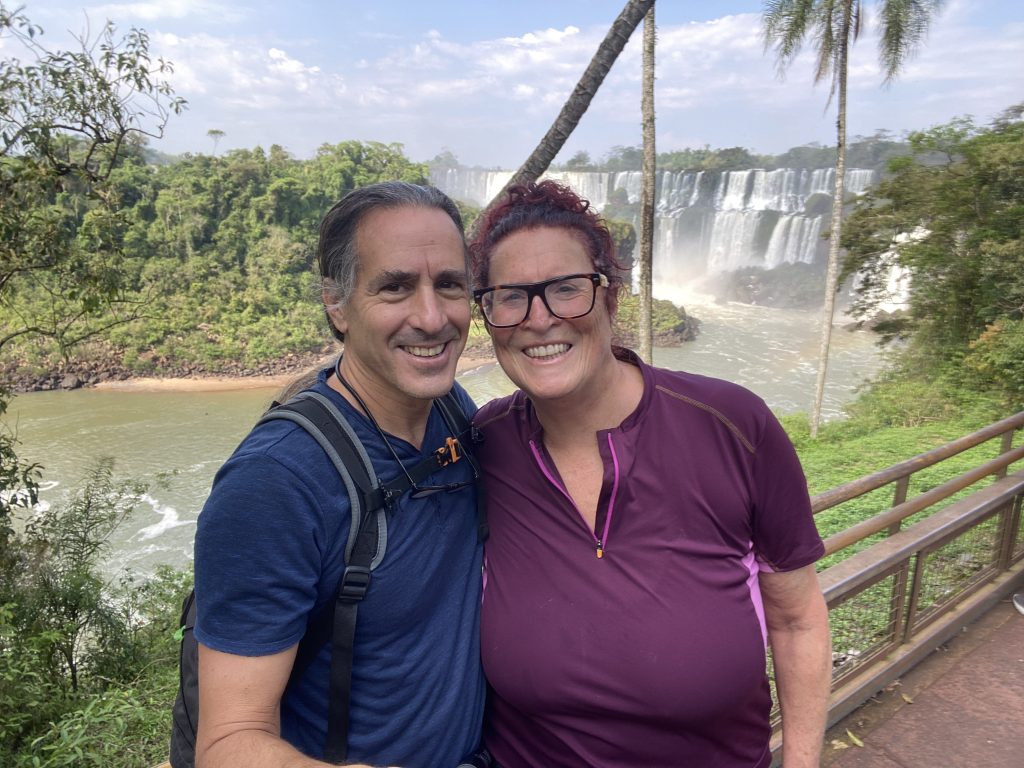
Guidebooks warn you: crowds, queues, chaos. But arriving early felt like sneaking into a secret. For a while, we had stretches of trail almost to ourselves.
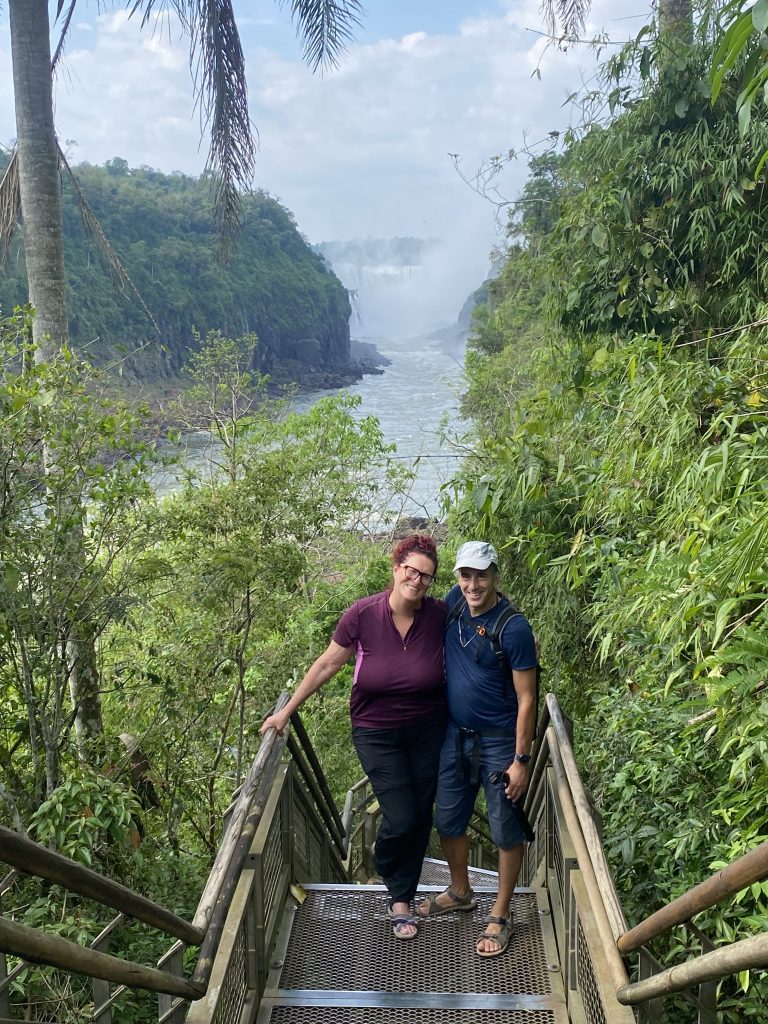
We skipped the tourist train and walked instead, starting with the Lower Circuit.
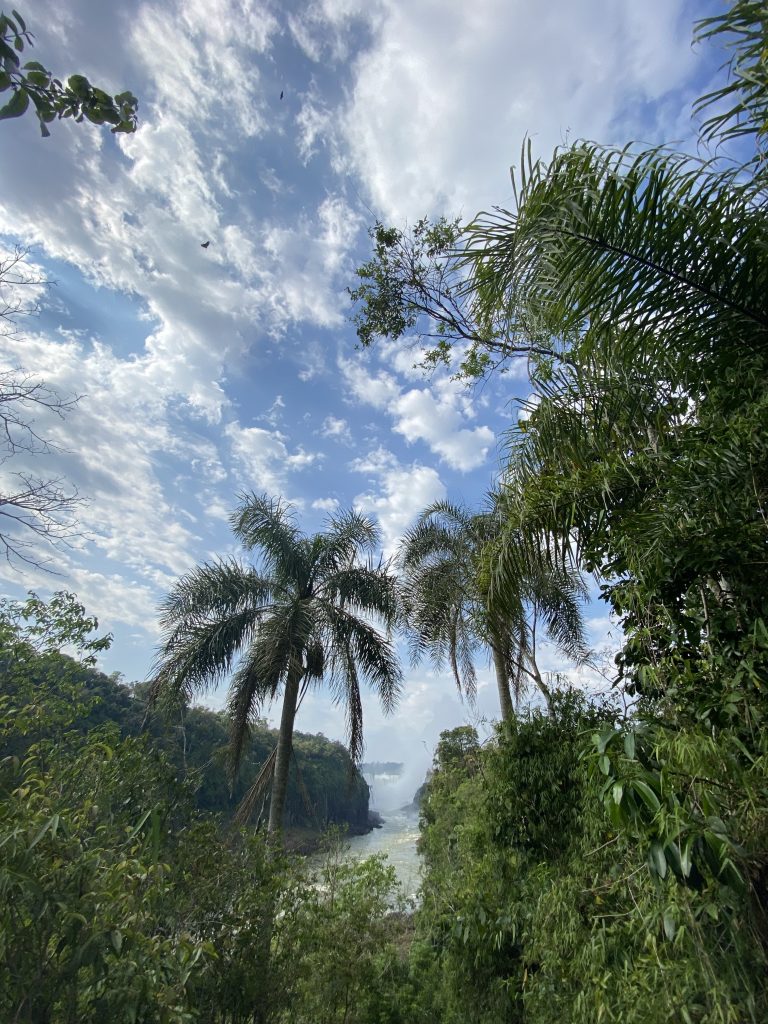
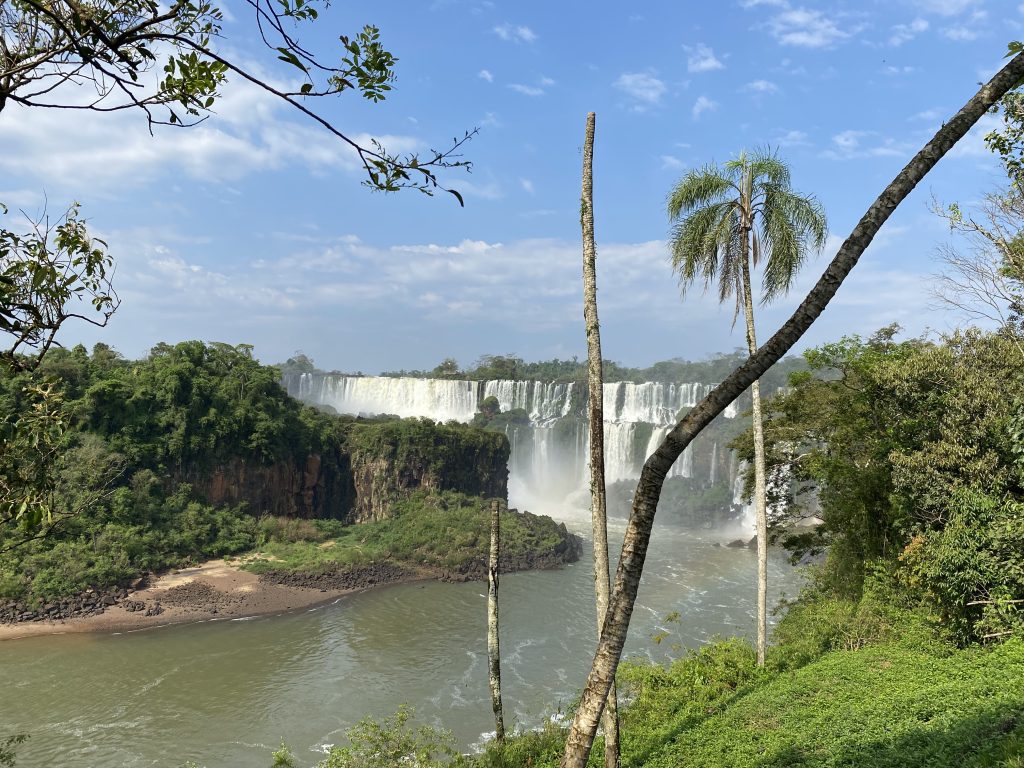
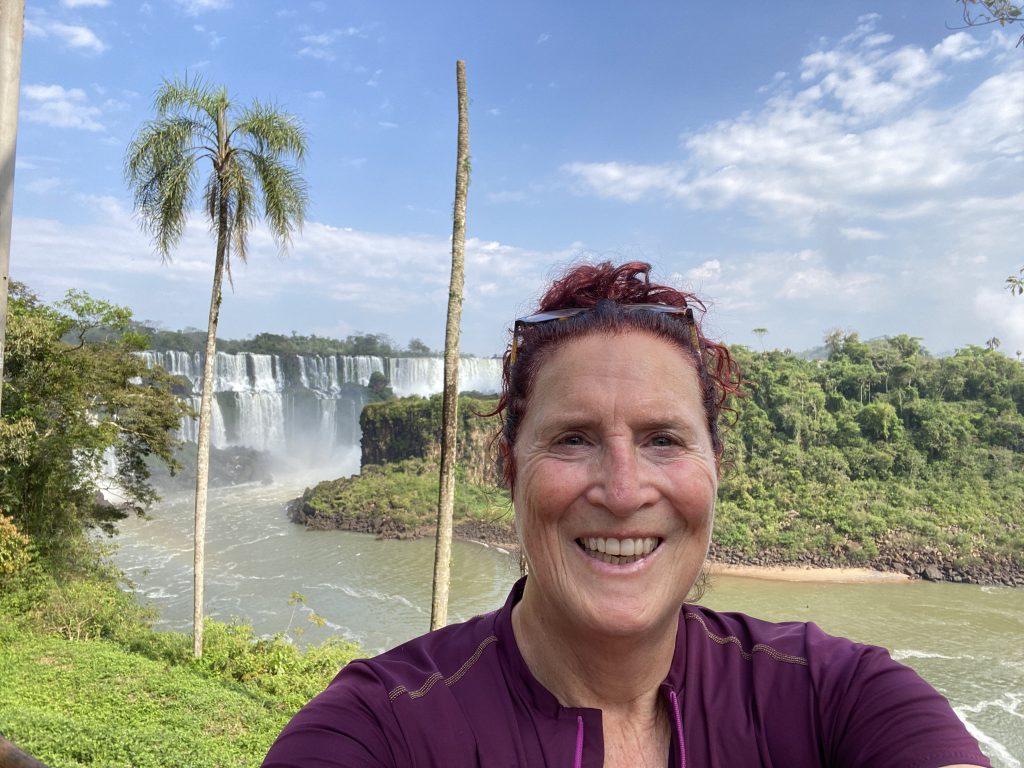
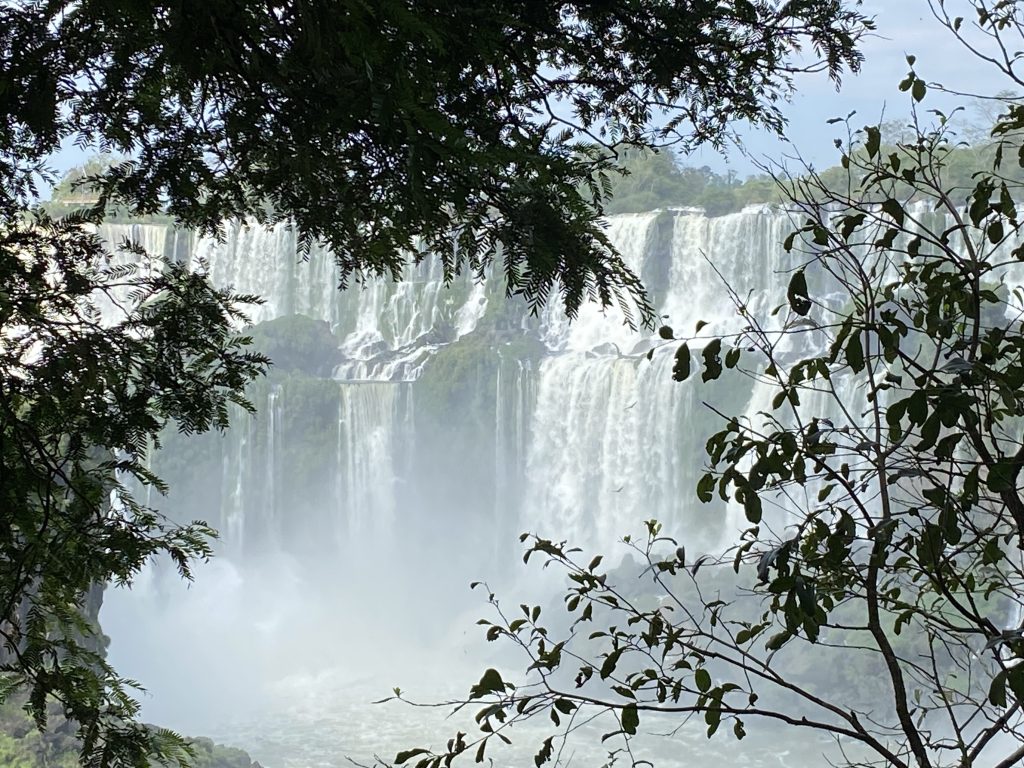
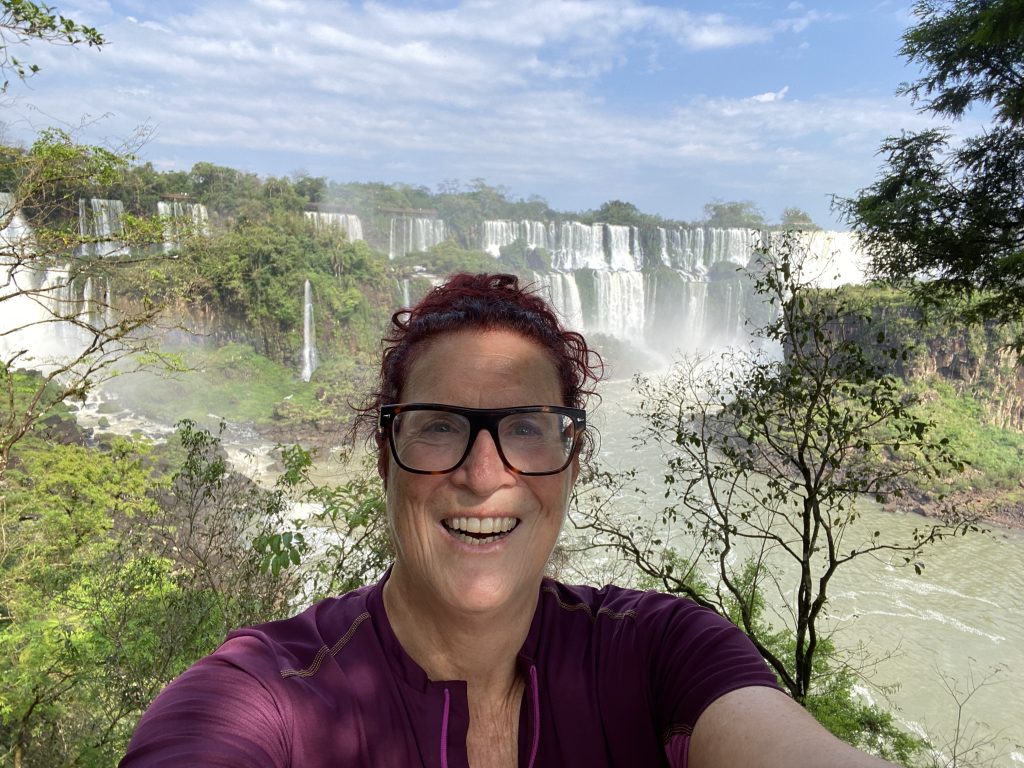
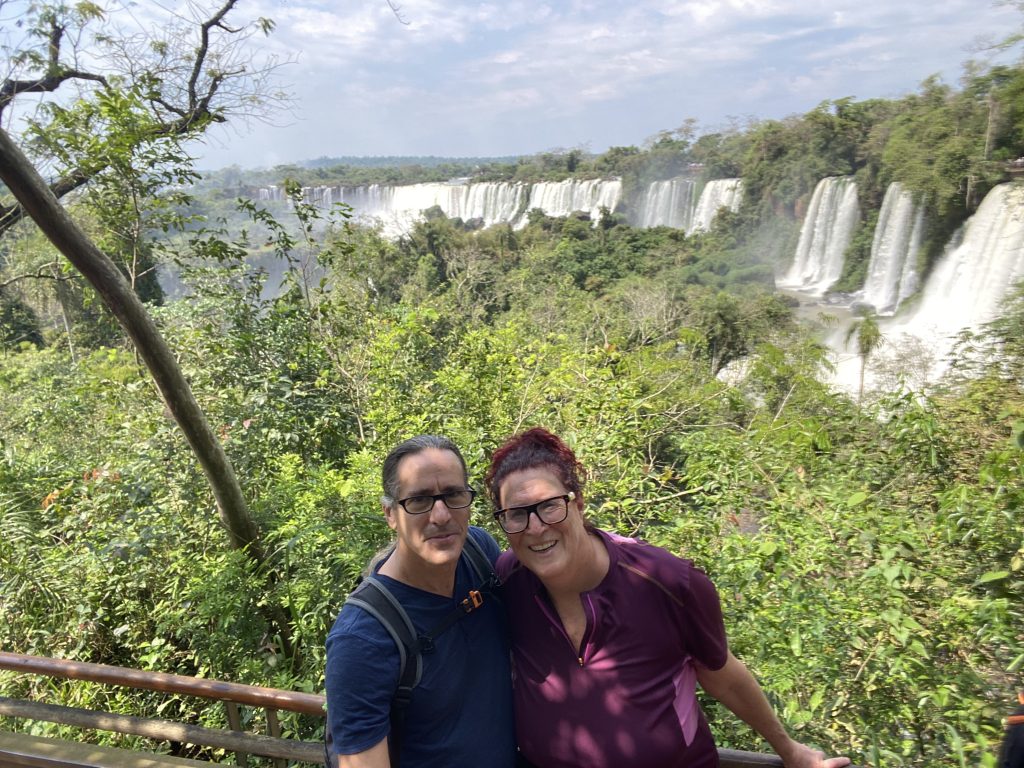
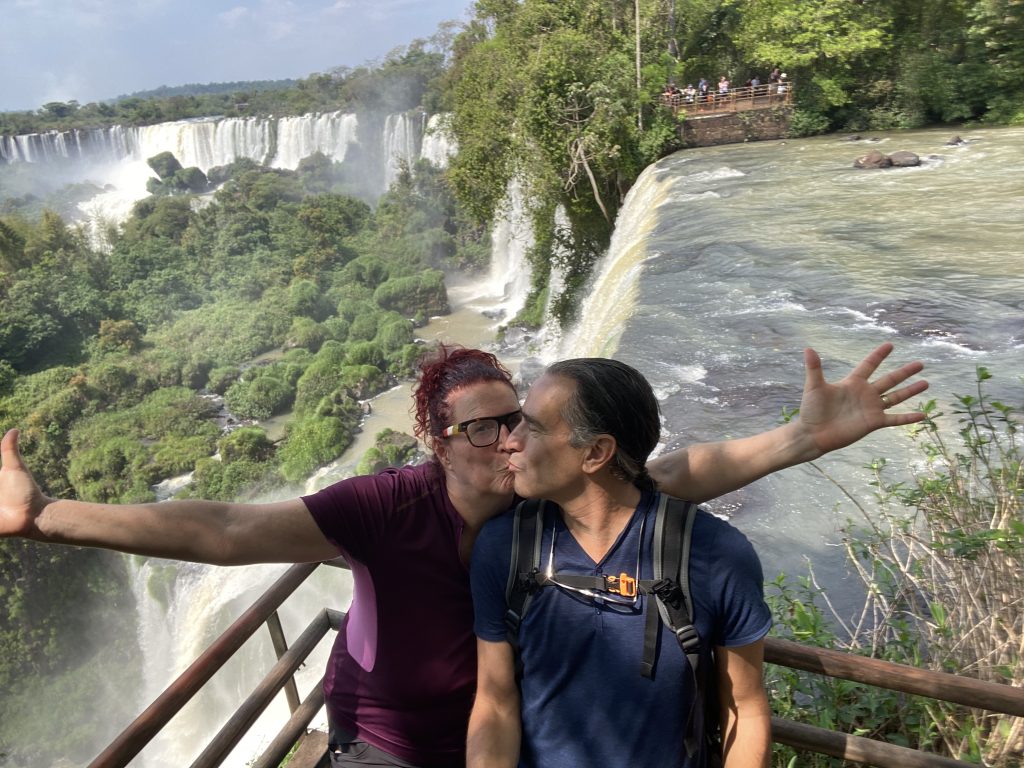
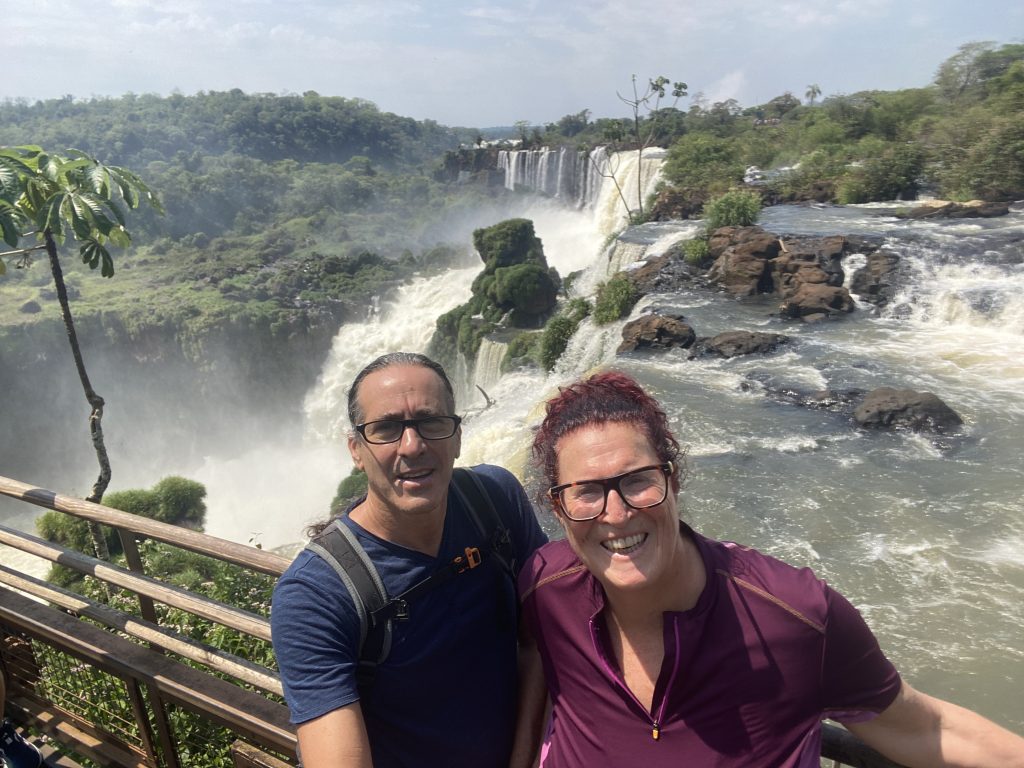
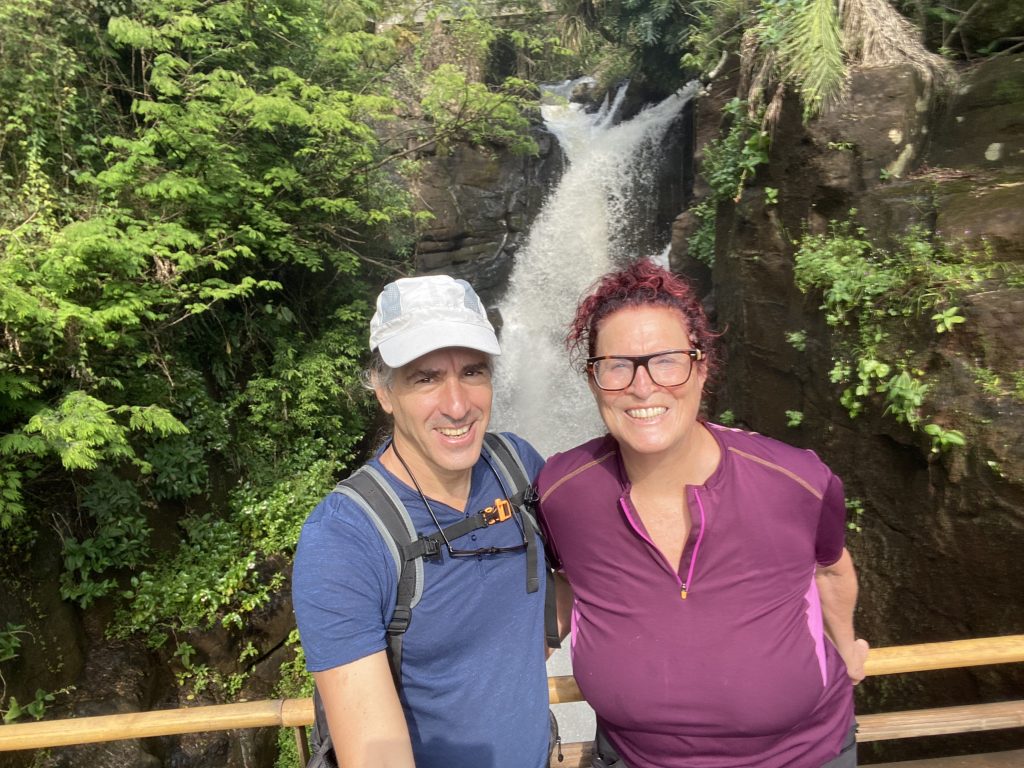
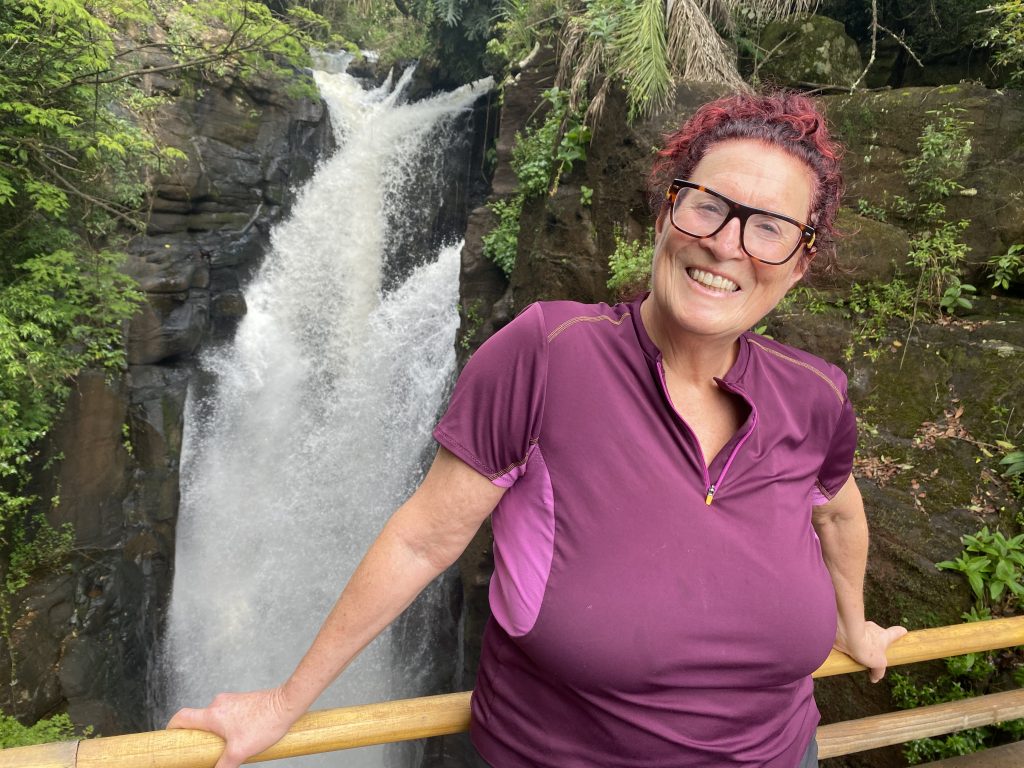
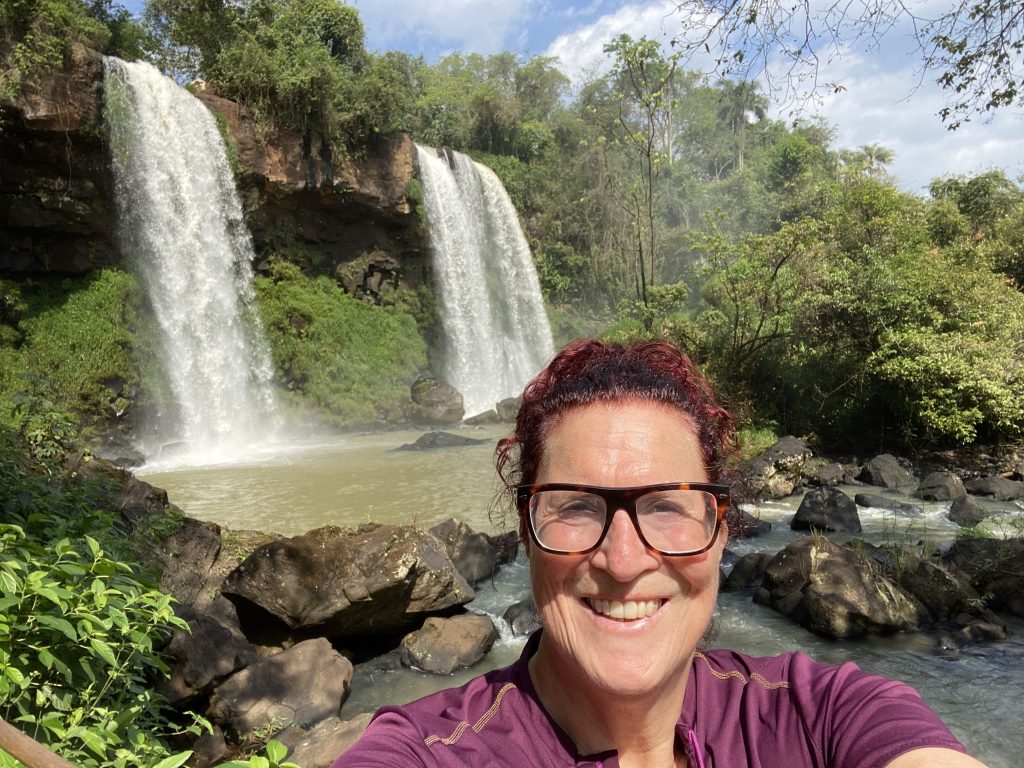
Misty rainbows floated in the air, waterfalls thundered beside us, and for brief moments, it felt intimate, just us and something ancient and immense.
The Upper Circuit brought crowds back into the picture, but even elbow-to-elbow humanity couldn’t diminish the drama.
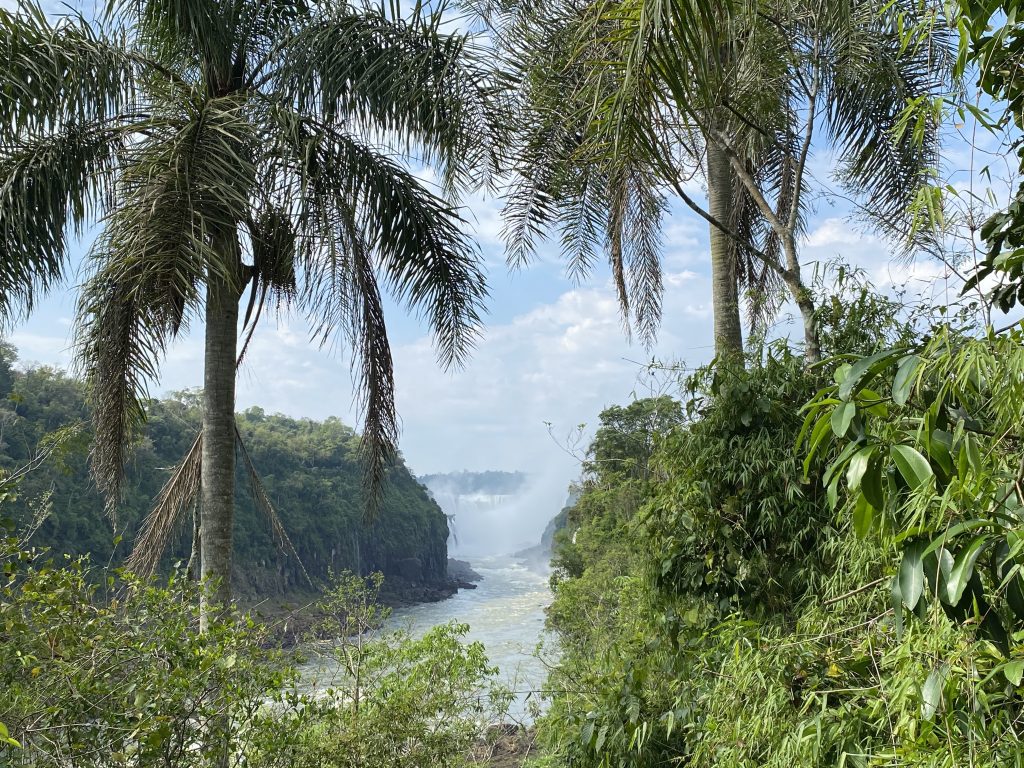
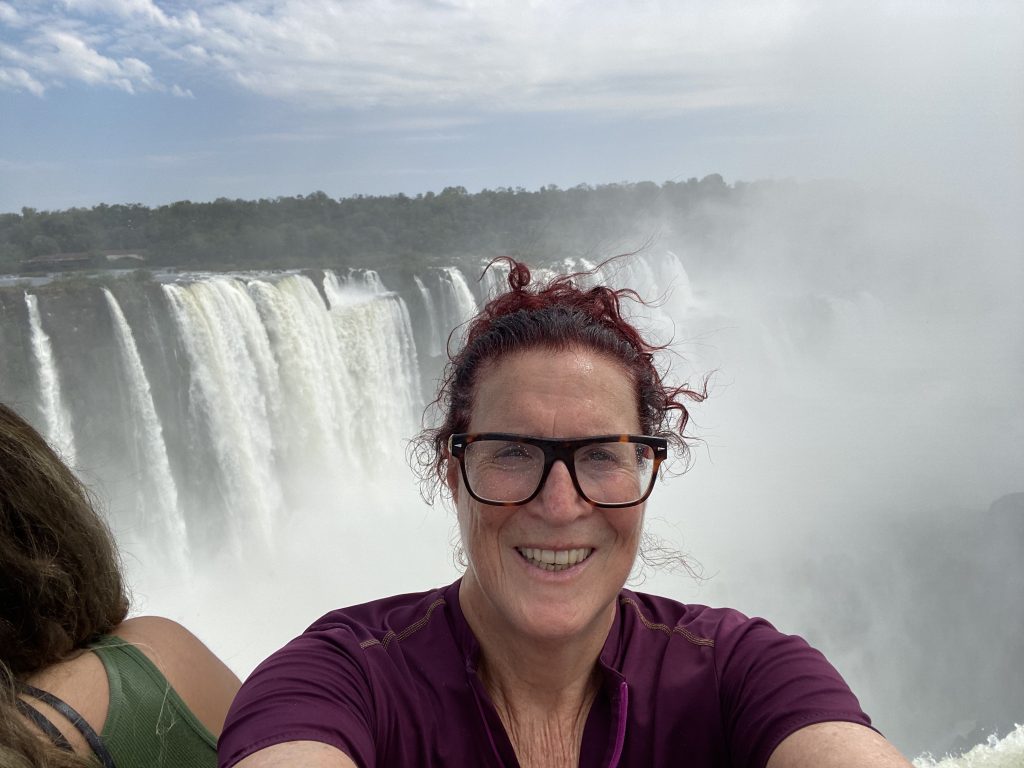
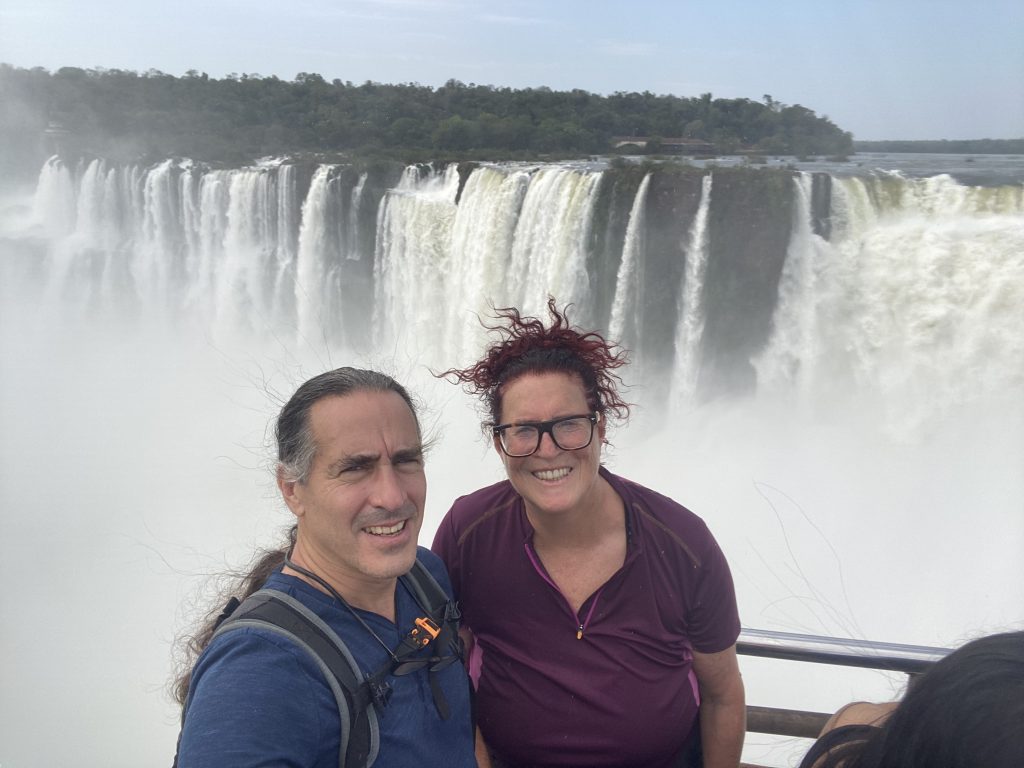
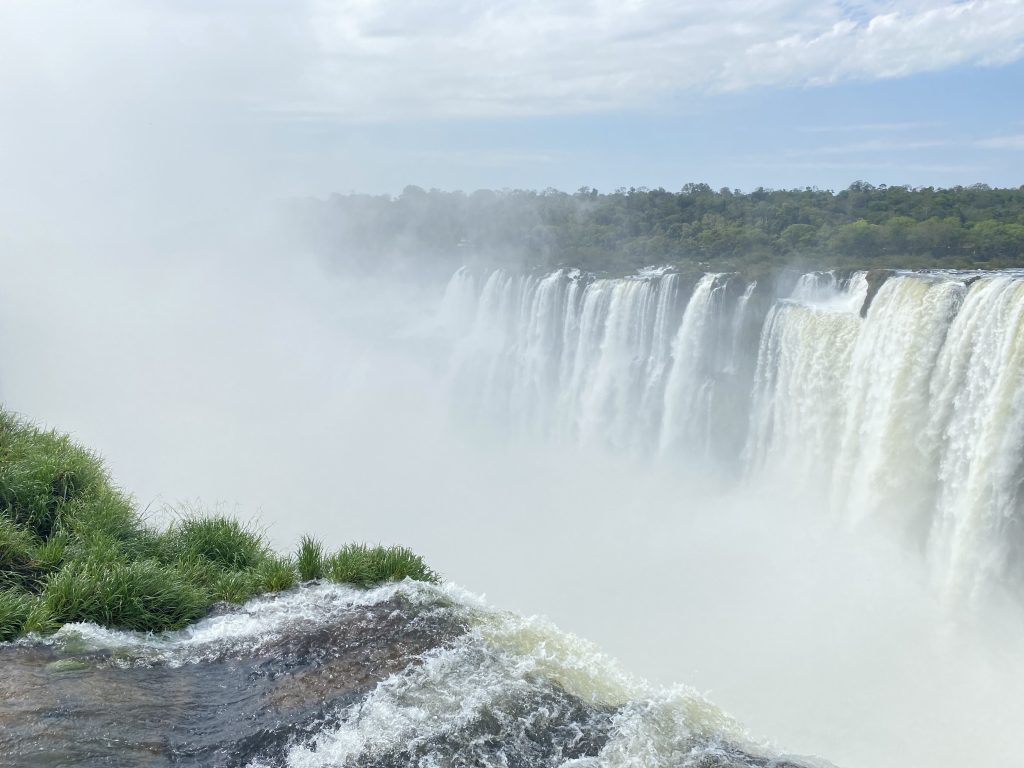
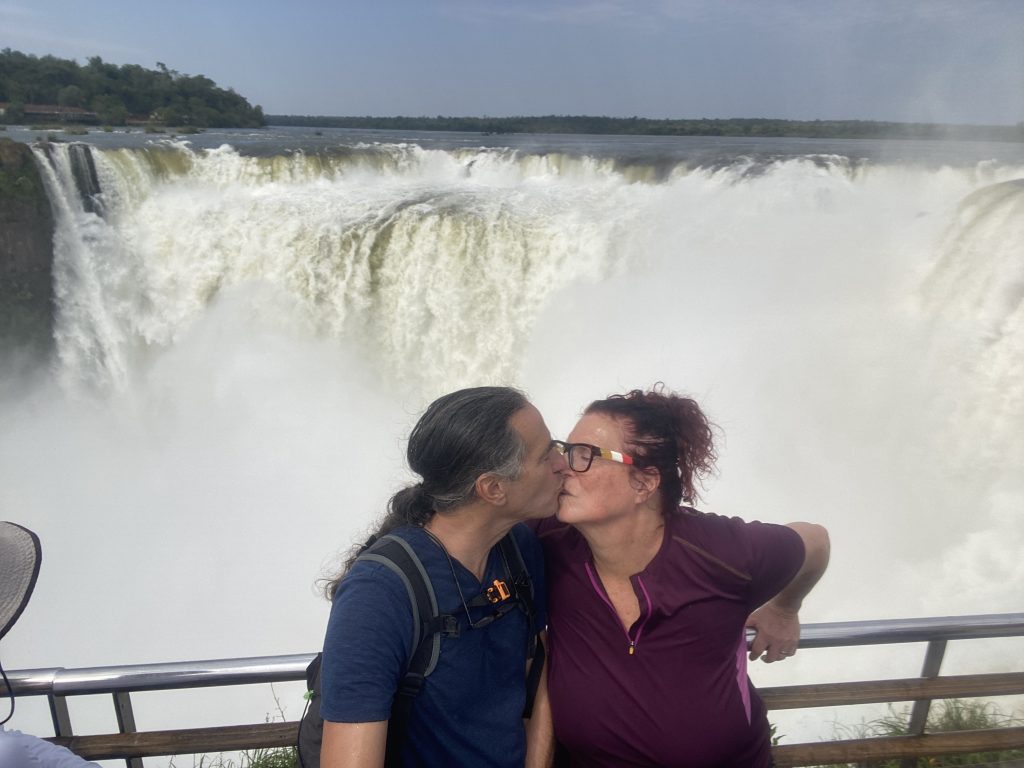
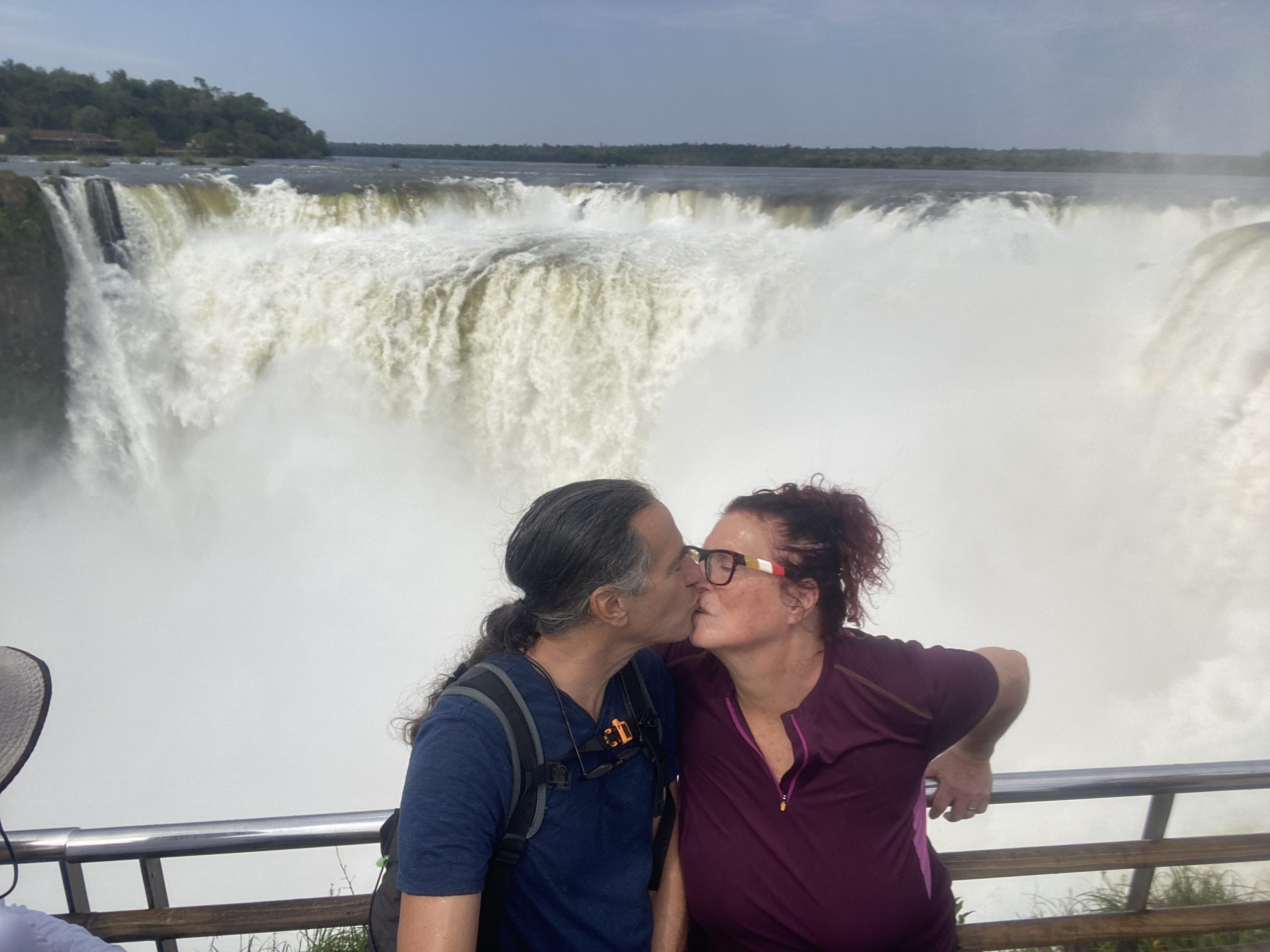
Still, the real event was El Garganta del Diablo: the Devil’s Throat. Even from afar, you see its mist rising like smoke.
Up close, it’s pure power: deafening, hypnotic, overwhelming. Nature wasn’t whispering; it was showing off.
The following day, we crossed into Brazil, navigating border controls before caffeine.
Our driver had wisely suggested buying tickets online “to avoid the lines.” That should’ve been our first red flag.
When we finally logged in, the earliest available entry was 10:30 a.m. Perfect, we thought, time to check out the Parque das Aves (Bird Park) just across the street, conveniently opening at 9:00 a.m. for feeding time.
Well… so did everyone else.
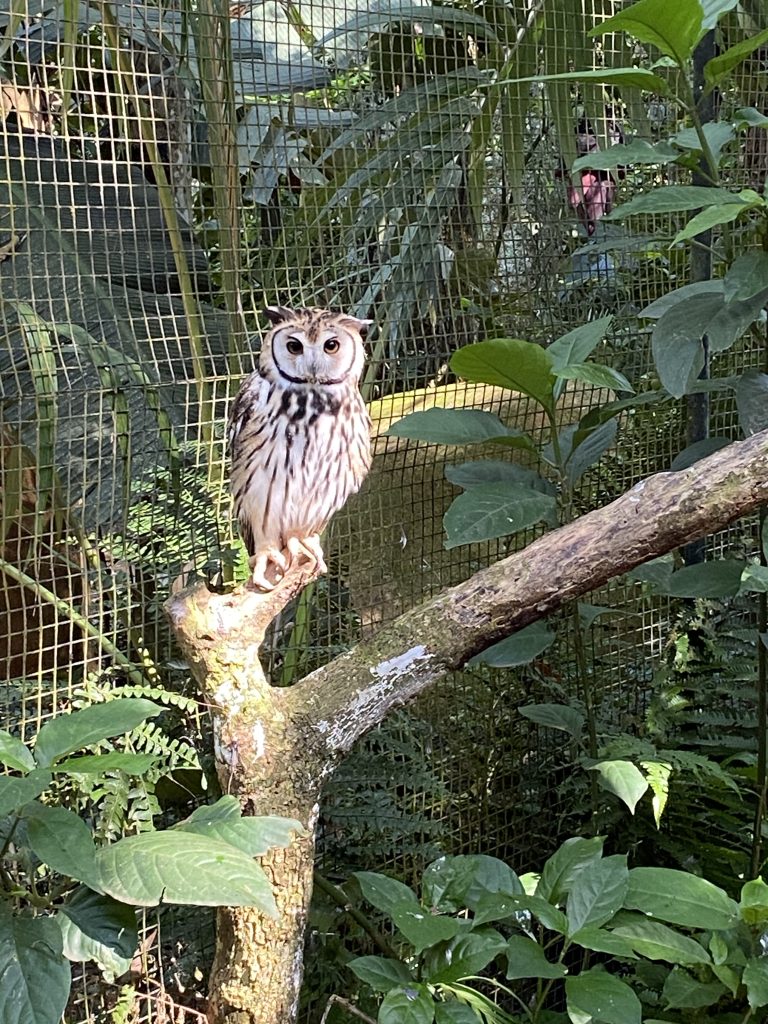
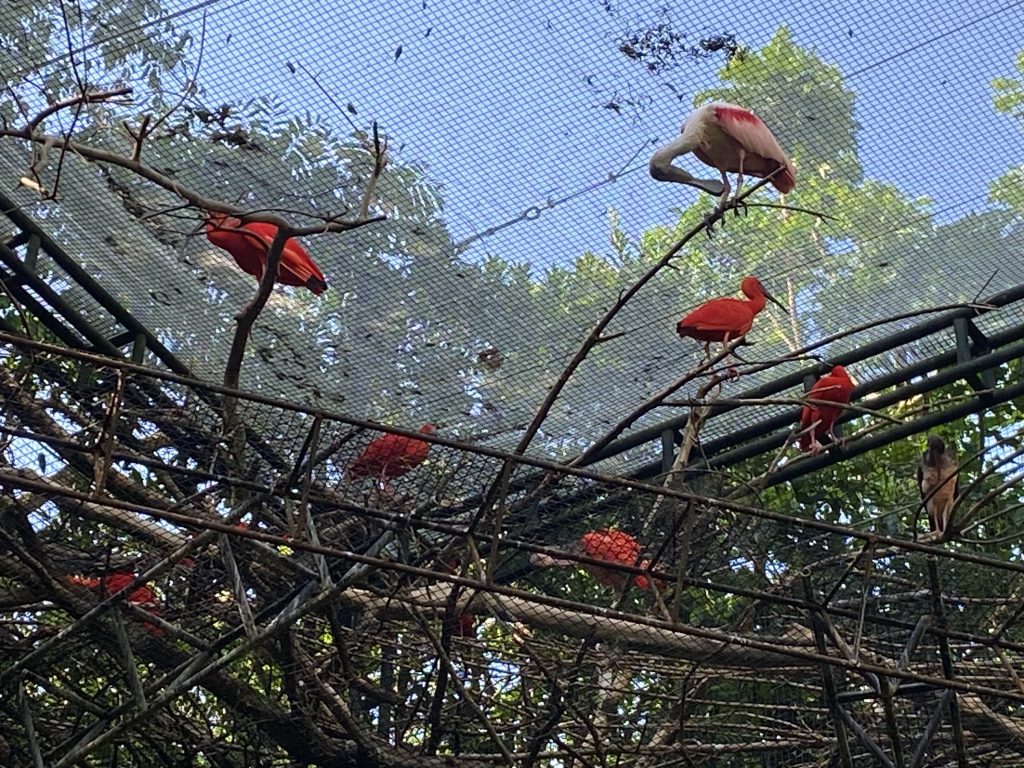
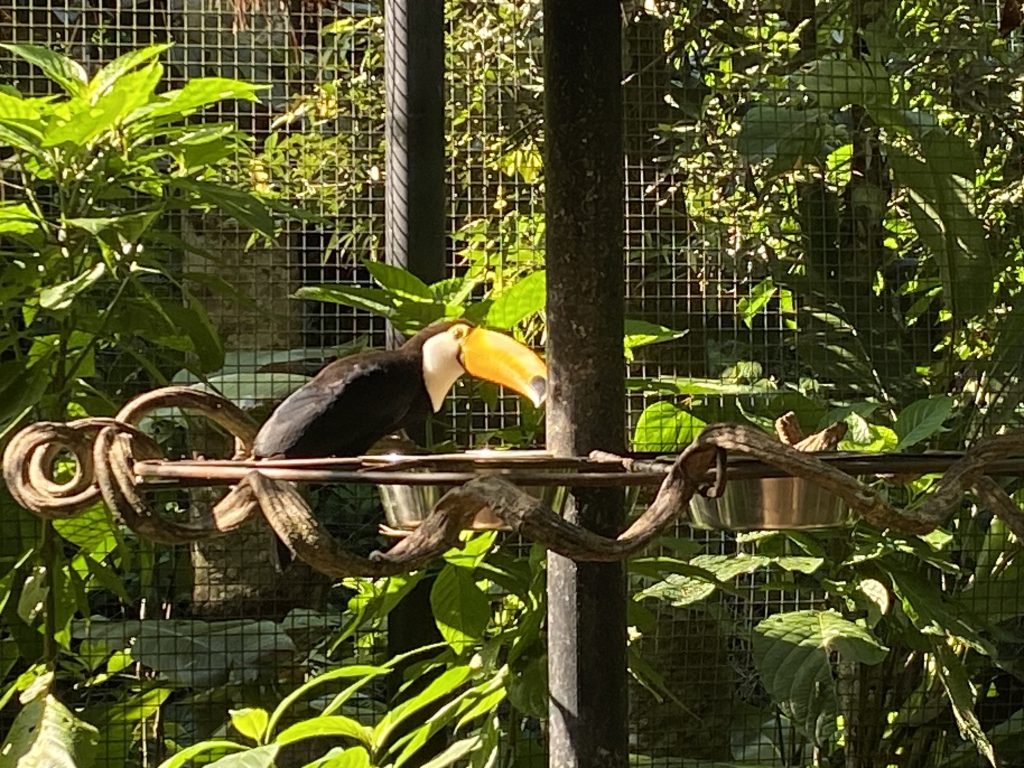
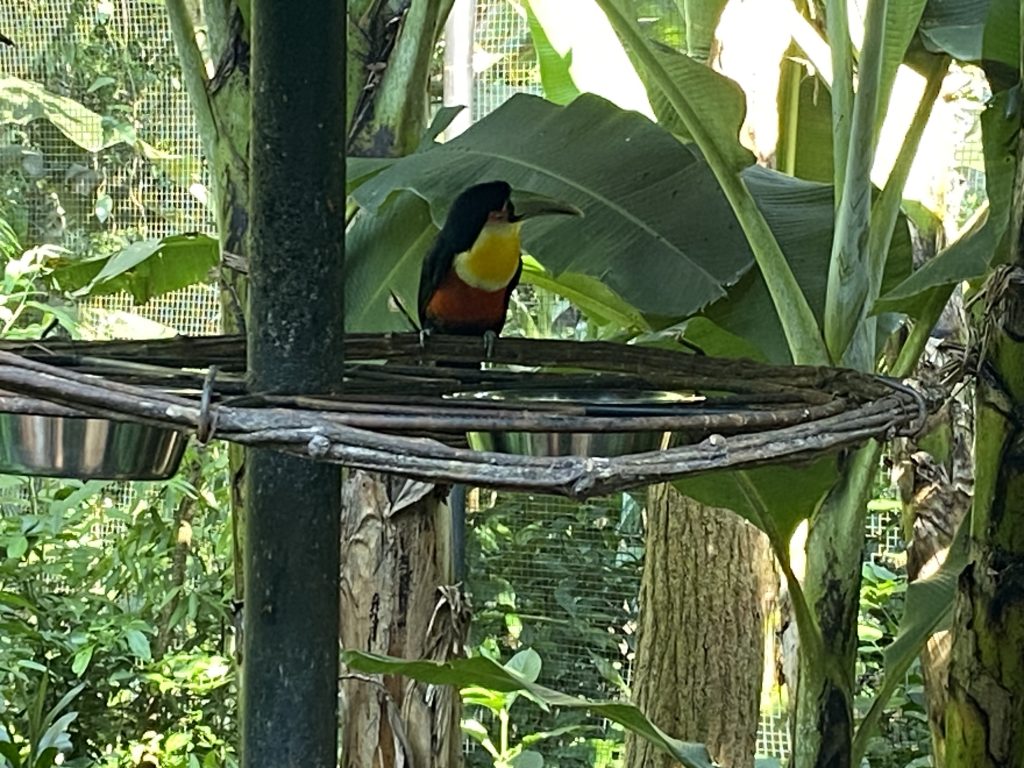
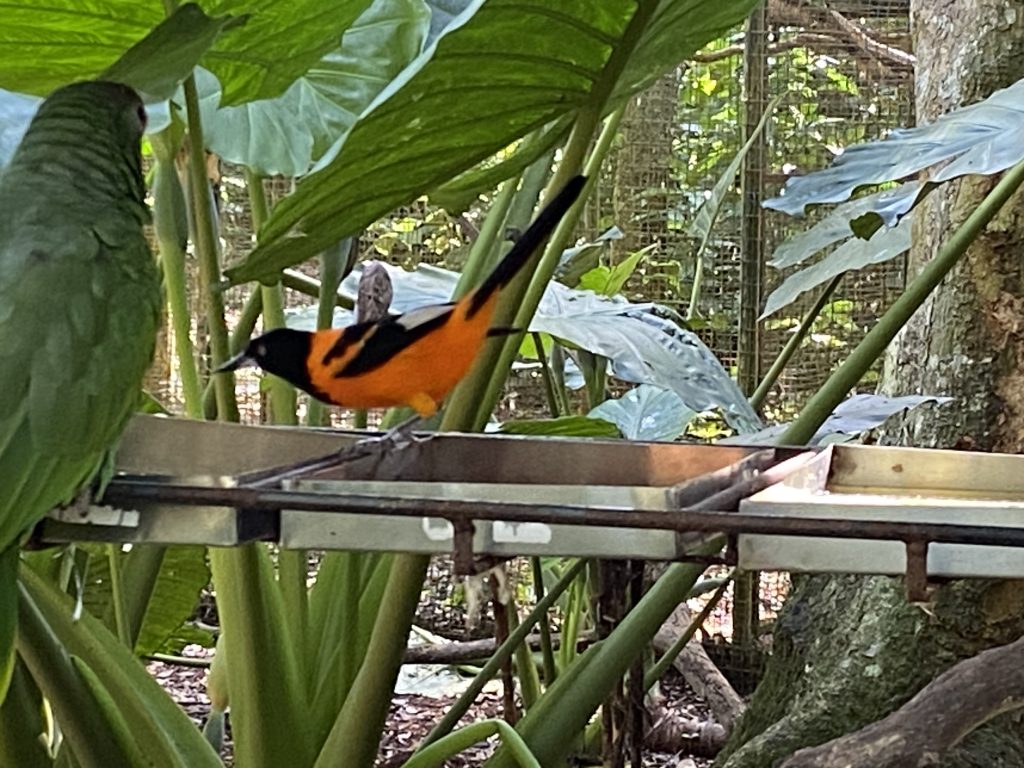
The Bird Park is beautiful and impressive, huge aviaries replicating natural habitats for endangered species.
But once Yoni realised the birds were behind fences, his enthusiasm vanished faster than a parrot spotting a cage door.
I, however, soldiered on, enchanted by the colours, the conservation work, and the sad truth that only 8% of the Atlantic Forest still exists.
As one sign put it perfectly: “We need nature. Nature doesn’t need us.” Sobering, but true.
With that dose of existential guilt, we crossed the street to enter the Brazilian side of the Falls.
The Brazilian side of the falls is often described as offering “the best views,” which may be true, but it also comes with crowds. Imagine the world’s most beautiful waterfall plus ten thousand humans trying to take the same photo. It felt less like communion with nature and more like survival training in flip-flops.
So we escaped. Found a quiet forest trail, ate lunch by the river, listened to water instead of voices, and felt our nervous systems reset.
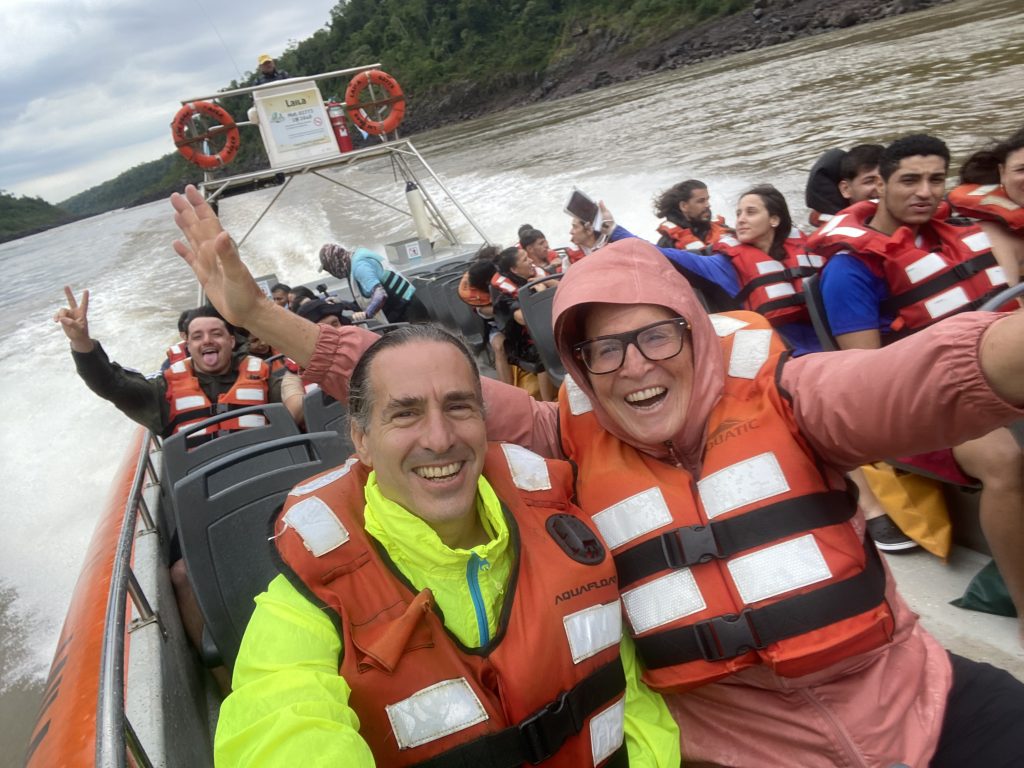
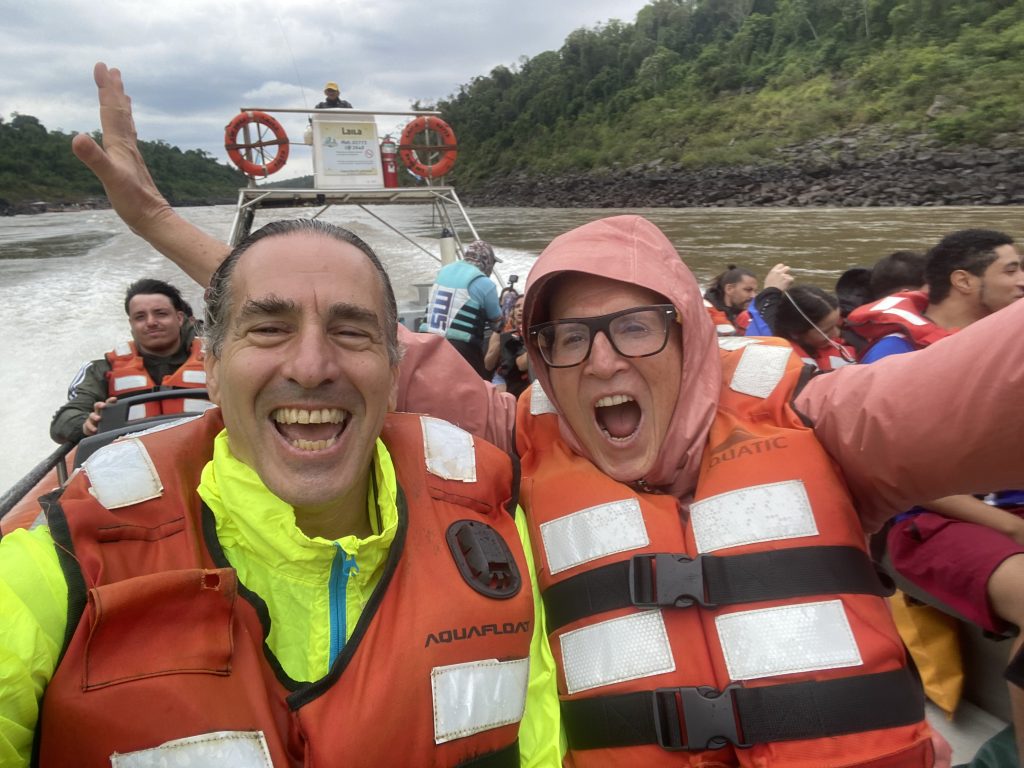
For our final day, we saved the grand finale: La Gran Aventura, a jungle truck ride followed by a speedboat straight into the falls. Getting soaked wasn’t a risk; it was the point. The rain, miraculously, stopped just as we arrived. Monday magic. Fewer people. Silence.
The boat roared forward, closer and closer, until we were swallowed by mist and thunder. Water slammed into us from every direction. You can’t breathe, can’t see, can barely think, and it’s absolutely glorious. We screamed like ecstatic five-year-olds. Three times. (Apparently, that’s the adult limit.)
Soaked, freezing, grinning, we climbed back up, barefoot and ridiculous. Perfect.
Before leaving, we returned once more to the Devil’s Throat. No photos. No videos. Just standing there. Yoni watched the roaring chaos. I turned my gaze upstream, where the river flowed calm and steady, seconds before surrendering to the fall. The stillness before the power.
An elderly Japanese man sat beside me, smiled, and said simply, “Good Zen.”
He was right.
Iguazú wasn’t just spectacular. It was humbling. A reminder that nature doesn’t need us; we need this. And sometimes, the best way to witness something extraordinary is to stop trying to capture it and just stand there, soaking wet, fully present.
Next stop: Salta. New landscapes, new rhythm, and, if I know us, food.